
Last updated October 17, 2026
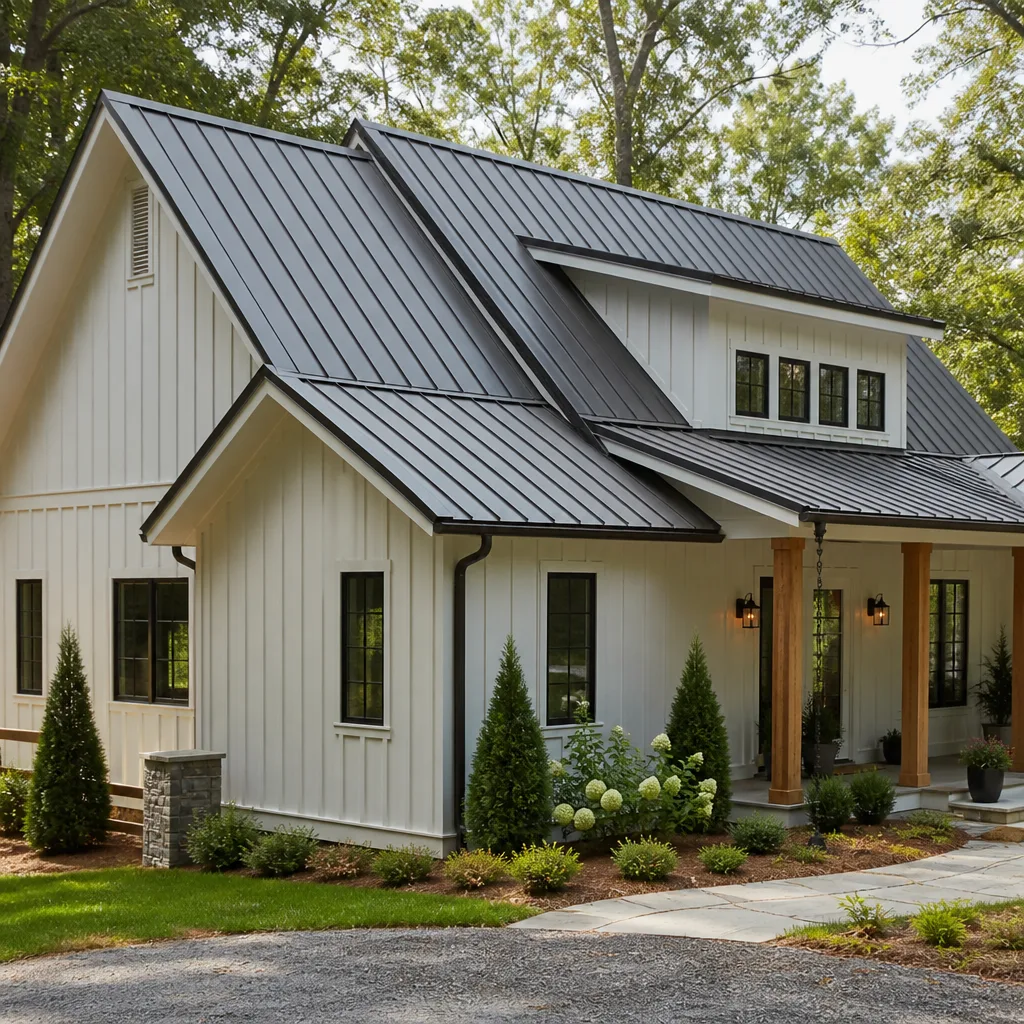 Metal roofing
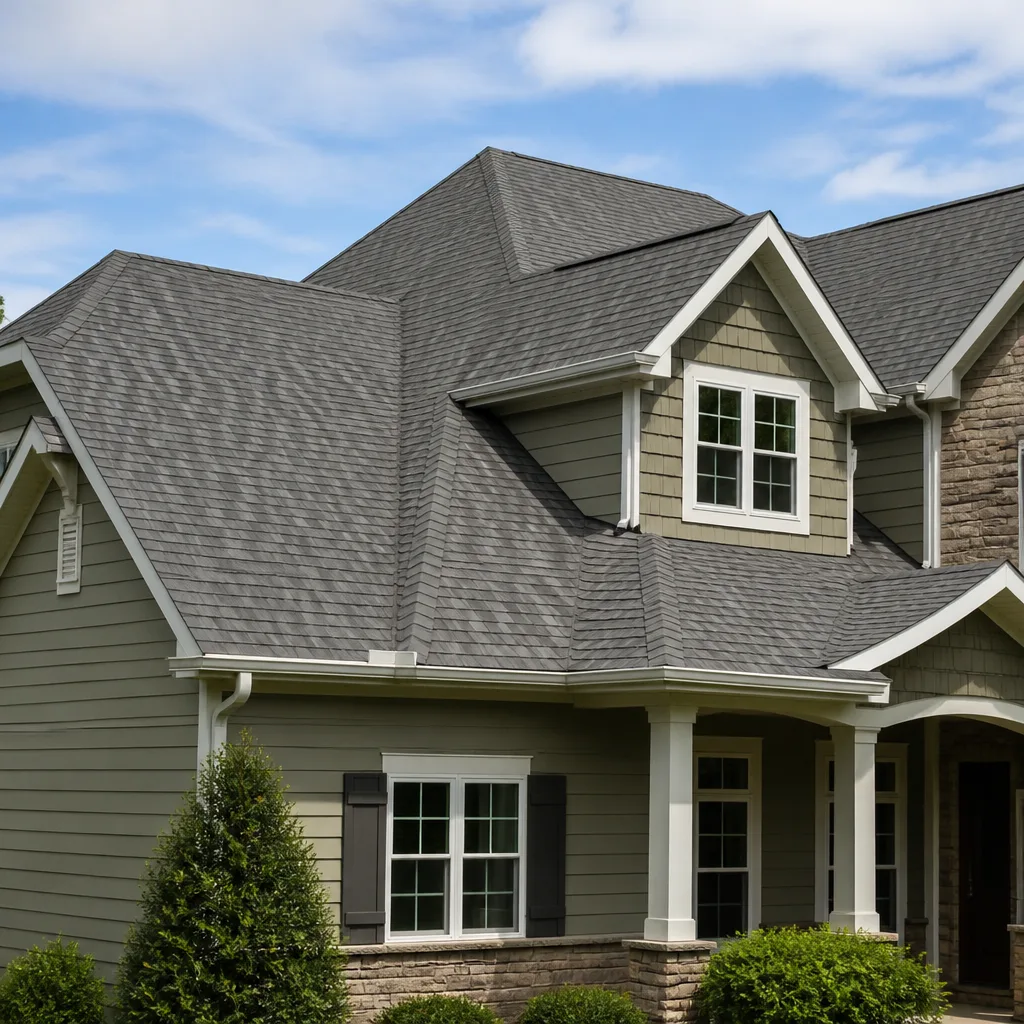 Architectural shingles
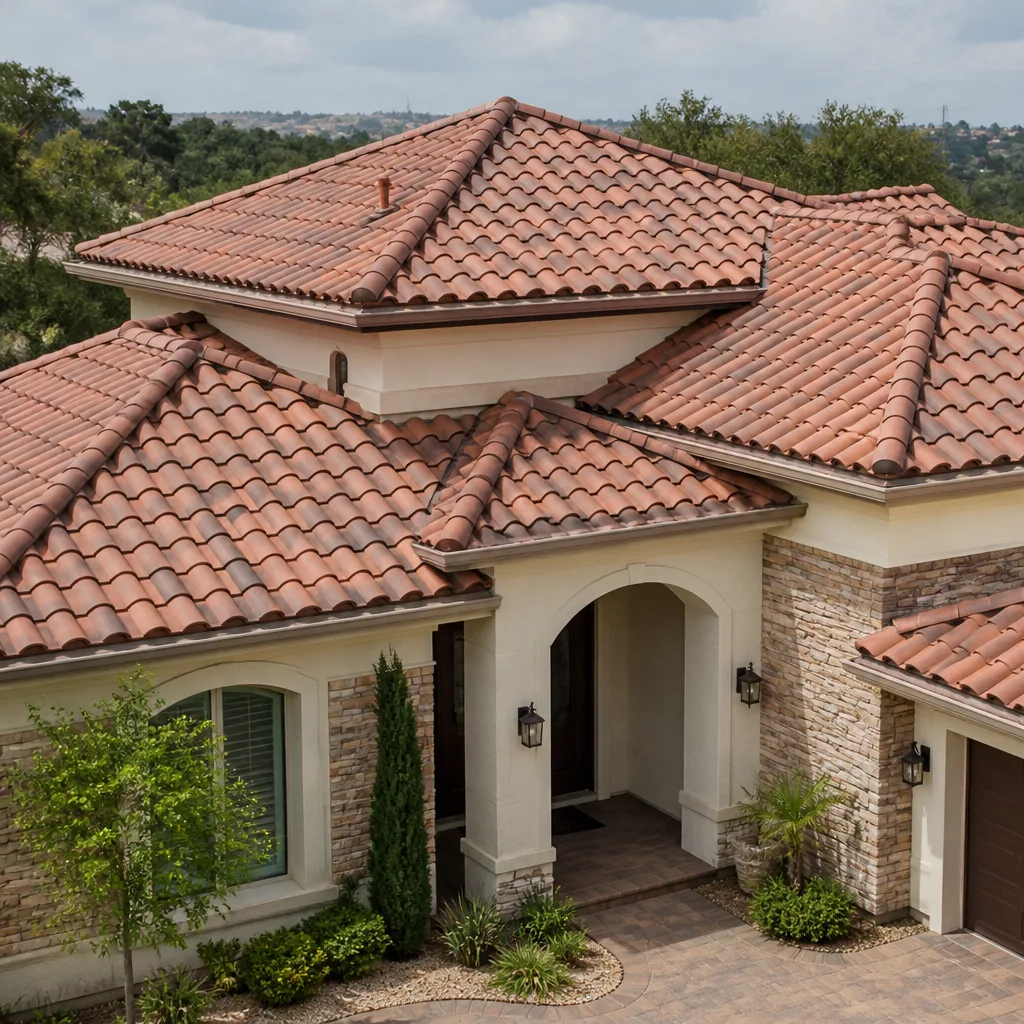 Tile roofing
 GAF
GAF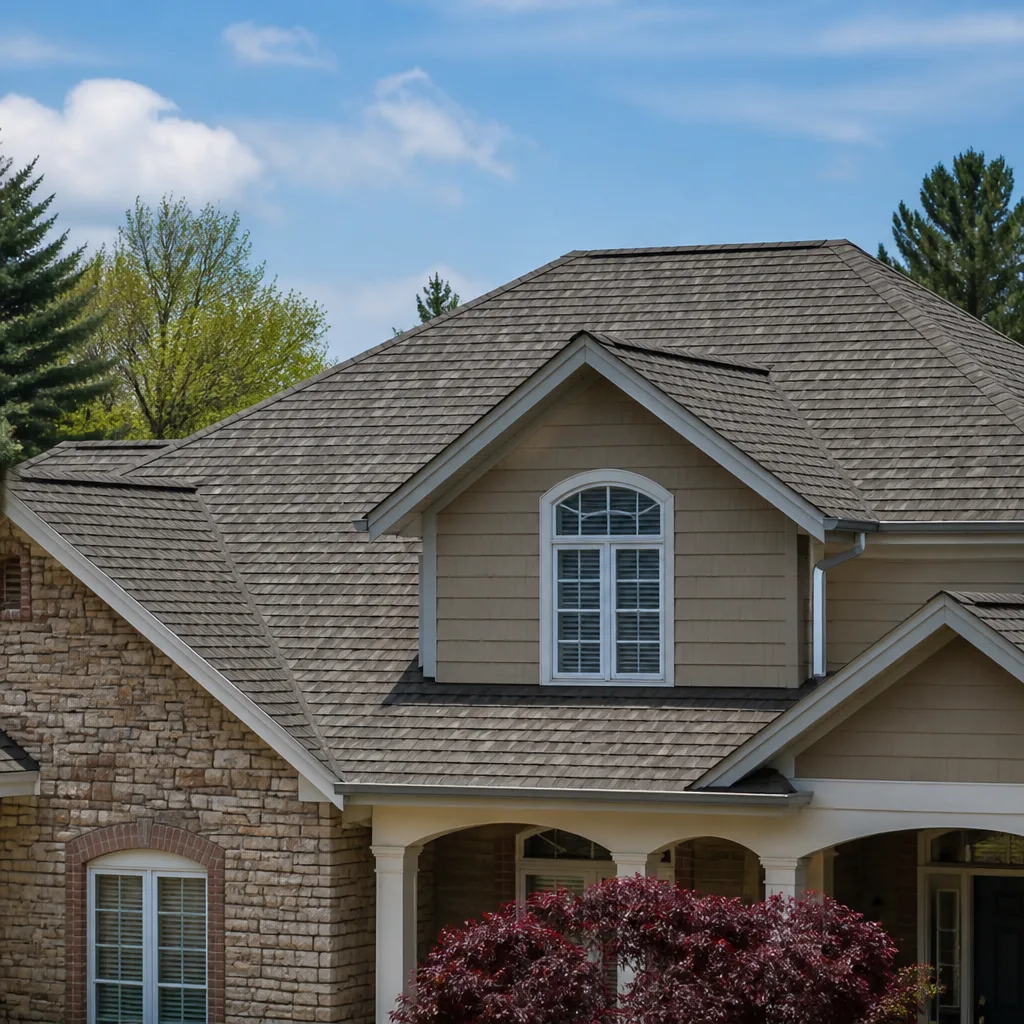 Owens Corning
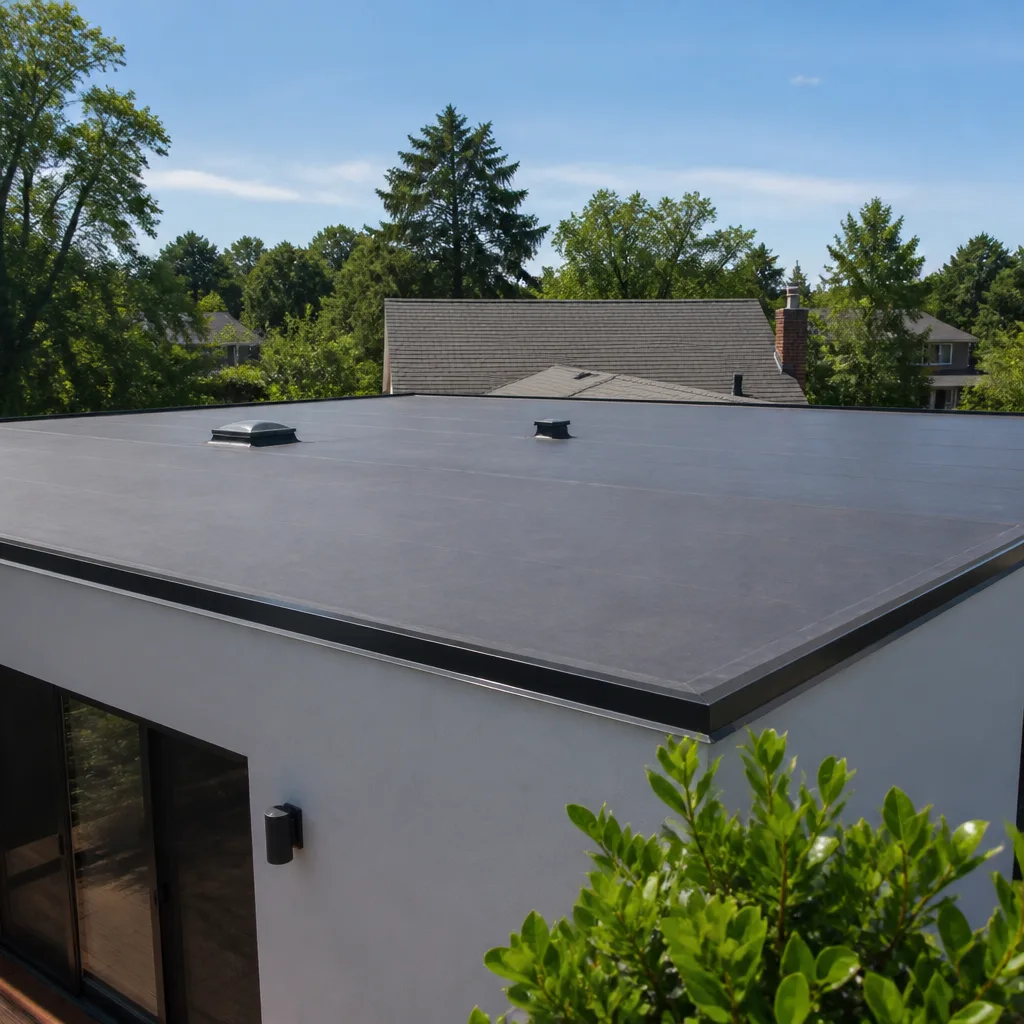 Flat & low-slope
Free roof inspection with deck photos before we talk money - GAF and Owens Corning certified installation
Roofing Permits, Codes & Inspections in CA: What You Need to Know
Most California homeowners only think about roofing permits twice: when a contractor says “we don’t need one,” and when an escrow officer calls asking where theirs went. A Woodland Hills homeowner learned the hard way in 2023, when a buyer’s home inspection flagged a four-year-old roof replacement that had never been permitted. The seller paid nearly $28,000 to have a new roof torn down to the decking, inspected, and reinstalled before the deal could close. This guide walks you through exactly when California roofing permits are required, what inspectors actually check, how Title 24 energy codes restrict your material choices, and how to verify your contractor actually pulled the permit they charged you for. For The Complete Guide to Roofing in Woodland Hills and more guides & resources, see our blog.
Styles & brands we work with
Quick Answer
In California, a roofing permit is required whenever you replace, remove, or alter more than a minimal section of roofing material, including most full re-roofs in Los Angeles County. You generally don’t need a permit for small repairs under 10% of the roof’s surface area, but anything that touches the decking, changes the material type (especially to a non-cool-roof product), or involves roof structure changes triggers both a permit and a mandatory Title 24 compliance check. Final inspections are not optional, and you (the homeowner) should verify the permit number yourself through the LADBS online portal before paying your contractor’s final invoice.
Table of Contents
- Los Angeles County Roofing Permit Rules: Small Repair vs. Full Replacement
- Title 24 Cool Roof Rules: How California Energy Code Changes Your Material Options
- Wildland-Urban Interface (WUI) Fire Zones: How They Restrict Woodland Hills Roofs
- How to Verify Your Contractor Actually Pulled the Permit (LADBS Lookup, Step by Step)
- What a Final Roofing Inspection Covers (and Why You Should Be There)
- What Happens to Your Insurance and Your Home Sale When a Permit Is Missing
- What Roofing Permits Cost in Los Angeles County (and What They Don’t Cover)
- Common Mistakes to Avoid
Los Angeles County Roofing Permit Rules: Small Repair vs. Full Replacement
In Los Angeles County and the City of Los Angeles, the line between “repair” and “replacement” isn’t a matter of opinion – it’s a code threshold. The California Building Code (CBC) and the local amendments in the Los Angeles Municipal Code treat any roofing work that removes more than 10% of the roof covering as a re-roof, and a re-roof requires a permit. Here’s the practical breakdown:
- Repairs under 10% of the roof surface: No permit needed. This covers small leak patches, isolated shingle replacements, and minor flashing repairs. But be careful: if a roofer suggests “layering” shingles over an old layer to avoid a permit, that’s both a code violation and a warranty-killer for most shingle manufacturers.
- Replacement of more than 10% of the covering: Permit required. This is the threshold most full re-roofs in Woodland Hills cross, because the city defines “covering” as the actual shingle, tile, or membrane layer – not including underlayment.
- Any work that touches the decking (the plywood or OSB layer under the shingles): Permit required. If a roofer in Woodland Hills pulls off shingles and finds rot, the fix is no longer a “repair” – it’s structural work. The permit needs to cover the decking replacement, and the inspector needs to see it before it’s covered up.
- Any change in roof material type: Permit required. Switching from asphalt shingles to tile, or from tile to a metal roof, changes the roof’s weight, fastening requirements, and slope compatibility. The city of LA won’t allow a material swap without a plan showing the roof structure can handle it.
In our experience in Woodland Hills, the “10% rule” is where most disputes start. A contractor may tell you a repair is small enough to skip the permit. But if the repair extends beyond 10% – say, two adjoining slopes on a larger ranch home – and the city finds out, the homeowner (not the contractor) is the one who gets the notice of violation. The city doesn’t care who made the mistake; the property owner is always the responsible party.
For a more detailed look at how we handle repairs and the thresholds we use to determine when a permit is needed, see our Roof Repair in Woodland Hills page. If you’re planning a full replacement, our Roof Installation in Woodland Hills guide covers the permit process from first quote to final inspection.
Title 24 Cool Roof Rules: How California Energy Code Changes Your Material Options
Title 24 of the California Code of Regulations is the state’s energy efficiency code, and since 2014 it has directly restricted what roofing materials you can put on a home in Los Angeles County. For most re-roofing projects in Woodland Hills, the rule is this: any roof replacement on a low-slope or steep-slope residential roof must meet minimum solar reflectance and thermal emittance values. In plain English: your new roof has to be a “cool roof.”
Here’s what that actually means for your material choices:
- Asphalt shingles: Only shingles with a Cool Roof Rating Council (CRRC) rating and a minimum three-year aged solar reflectance of 0.20 qualify. Most standard architectural shingles from CertainTeed and Owens Corning are available in “cool roof” colorways that meet this. Darker traditional colors often don’t – which is why you’ll see a lot of lighter roofs in newer Woodland Hills neighborhoods.
- Clay and concrete tile: Most lighter tile colors meet the reflectance threshold without changes. Darker tile may need a cool-roof coating to comply. This is a practical concern in Woodland Hills, where Mediterranean-style tile roofs are common, and the wrong “terracotta” shade can fail the Title 24 check.
- Metal roofing: Standing seam and metal tile systems are often the easiest to pass Title 24 because factory-applied reflective coatings have high solar reflectance ratings. But the color you choose still matters – a dark bronze finish may not qualify.
- Exemptions: There are a few, but they’re narrow. Roofs with building-integrated photovoltaic (solar) systems covering most of the roof surface, certain historic buildings, and roofs where the slope prevents a compliant material from being installed may qualify. We tell Woodland Hills homeowners not to count on an exemption without an architect or energy consultant signing off.
The part most homeowners miss: Title 24 compliance is part of the permit package. Your contractor submits a Certificate of Compliance with the permit application, and the inspector verifies the installed product matches the certificate at final inspection. If the installed shingles are a different colorway than what was submitted – even if they’re the same brand – the inspector can fail the inspection. We’ve seen this happen on re-roofs where the homeowner changed shingle color after the permit was pulled. The fix is either a fee to amend the permit or, in one case we saw, a full removal and re-install of the roof deck portion because the inspector required visual confirmation of the underlayment.
Wildland-Urban Interface (WUI) Fire Zones: How They Restrict Woodland Hills Roofs
If your Woodland Hills home is in a Wildland-Urban Interface (WUI) zone – and a large portion of Woodland Hills, especially the hillside streets north of Ventura Boulevard, is – the permit process adds a second layer of material restrictions on top of Title 24’s cool roof rules. Our Seasonal Roofing Care for Woodland Hills: Year-Round Homeowner’s Guide covers how these rules shift throughout the year. The California Fire Safe regulations and Chapter 7A of the California Building Code require that roofing materials used in WUI zones be classified as Class A fire-rated.
The practical impact in Woodland Hills is significant:
- Class A rating is non-negotiable. Shingles from GAF, CertainTeed, Owens Corning, and Boral are all available in Class A rated products, but not every product line qualifies. A Class A asphalt shingle is standard; a Class A wood shake is rare, which is why wood shake roofs are essentially illegal in Woodland Hills hillside zones.
- Underlayment matters too. In WUI zones, the roof underlayment must meet a specific ASTM standard for fire resistance. This is an invisible layer that a sloppy contractor can swap without you knowing, and the inspector may not catch it if the contractor installs it before the inspection. Get the product spec sheet for the underlayment in your written quote.
- Flashing and vent details are stricter. Ember intrusion through roof vents is a primary cause of home ignition in wildfires. WUI zone permits require ember-resistant vents, and the inspector checks them specifically. If your contractor uses standard attic vents in a WUI zone, the inspection fails – and the fix means opening up the roof again.
Woodland Hills has lived this reality. The 2018 Woolsey Fire burned structures in parts of Woodland Hills, and the 2025 Palisades Fire pushed the conversation about WUI enforcement even harder. The city of LA and the LA County Fire Department now scrutinize roofing permits in hillside zones with extra care. We’ve watched permits get delayed for months because a contractor submitted standard-zone details for a WUI-zone property. The correction process is not quick.
To check whether your address is in a WUI zone, the LA County Fire Department maintains a Fire Hazard Severity Zone map. You can also ask your contractor – but we recommend checking yourself, because a contractor who tells you “you’re not in a fire zone” when you are has just revealed how carefully they read your property’s records. Our Roofing Company in Woodland Hills page walks through how we verify zone restrictions before quoting any roof in the hillside areas of Woodland Hills.
How to Verify Your Contractor Actually Pulled the Permit (LADBS Lookup, Step by Step)
The Los Angeles Department of Building and Safety (LADBS) maintains a free online permit search tool, and using it is the single most effective way to protect yourself on a roofing project in Woodland Hills. You don’t need to be a contractor or a title officer to look up a permit. You just need the street address.
Here’s the step-by-step process we recommend to every Woodland Hills homeowner before, during, and after a roof job:
- Before the job starts: Ask the contractor for the permit number. If they have not applied yet, ask for a date they will apply and a confirmation they’ll share the number. A legitimate contractor will not hesitate. In our experience, if the contractor says “we’ll handle the permit, don’t worry about the number,” that’s a flag to dig deeper. On the LADBS website (ladbs.org), click “Permits & Approvals,” then search by address. If a permit application has been opened, it will appear under the address even before it is issued.
- During the job: Once work begins, check that the permit status says “Issued – Active.” Do this at least once while the roof is stripped. Why mid-job? Because some contractors pull the permit and then never call the first inspection (the “in-progress” inspection for decking and underlayment). If the work is done and covered up, that inspection cannot be performed retroactively without tearing back into the roof.
- After the final inspection: Search the address again. The permit should show “Finaled” or “Completed” with a date. If it still shows “Active” six months after the job, the permit was never closed – which means the roof has no valid final inspection on record and the permit will eventually become a problem when you sell or file an insurance claim.
- If the contractor says the inspection “already happened” but you have no paperwork: Look up the permit on LADBS. Every inspection is logged. If the job was inspected, the record will show the inspection type and date. If there is no inspection record, the contractor is either confused or being dishonest. In either case, do not pay the final invoice until that record exists.
We include the permit number on every written quote we provide in Woodland Hills, and we track the inspection schedule in writing. This isn’t something a homeowner should have to chase. When a contractor makes permit verification a hassle, the problem is usually not the city – it’s the contractor.
For a full explanation of what a licensed roofing contractor in Woodland Hills should be doing at each stage, including permit pulling, see our guide at Mercer Roofing Co Woodland Hills home page, which covers our process end to end.
What a Final Roofing Inspection Covers (and Why You Should Be There)
A roofing final inspection in Los Angeles County is not a rubber stamp. The LADBS inspector will climb the roof, walk the slopes, check the flashing, verify the underlayment and decking if they were covered before the in-progress inspection, and confirm the installed material matches the permit documents and the Title 24 Certificate of Compliance. Here’s what the inspector is actually looking for:
- Fastener pattern and count: The inspector will check nailing count per shingle against the manufacturer’s published requirement and the approved permit details. Under-nailing a roof is one of the most common causes of premature failure, and it’s invisible once the shingles are on. The inspector’s job is to catch it before the warranty period starts.
- Flashing details: At every roof penetration – vents, pipes, chimneys, curbs – the inspector checks that flashing is properly lapped, sealed, and attached. In Woodland Hills, where gusts through canyons can be severe, poorly flashed penetrations fail quickly.
- Underlayment and decking: If the roof was stripped to the decking and the in-progress inspection was done, the inspector will review the records from that inspection. If it wasn’t done, the final inspection stalls, and the permit cannot be closed. We always schedule the in-progress inspection while the deck is still open, so the final inspection is a formality, not a fight.
- Material conformity: The inspector checks that the installed shingles, tiles, or metal panels match what was specified in the permit. If you approved GAF Timberline cool roof shingles and the contractor installed a non-rated GAF product, the inspector will catch it – but only if the permit documents are clear. Vague permit details are how non-compliant materials slip through.
- Title 24 compliance: The inspector verifies the installed product’s CRRC rating matches the submitted certificate. This is not optional. A roof that passes a visual check but fails Title 24 cannot be finaled.
Be present for the final inspection if your schedule allows. You don’t need to hover, but if the inspector makes comments, you want to hear them directly from the inspector, not through the contractor’s translation. We encourage our Woodland Hills clients to walk the roof with us after the inspection and ask questions. A contractor who discourages you from being there is not someone you want on your roof.
What Happens to Your Insurance and Your Home Sale When a Permit Is Missing
The real cost of skipping a roofing permit in California doesn’t show up on the permit fee invoice. It shows up years later in three places: your homeowners insurance renewal, your refinance application, and your real estate disclosure forms. Here’s how an unpermitted roof can bite you in each:
- Insurance: California insurers have pulled back coverage aggressively in recent years, especially in wildfire-prone areas like Woodland Hills. When you replace a roof, you file the permit as proof of a compliant, code-current installation. If there is no permit on record, and you later file a claim for roof damage, the insurer can deny the claim on the grounds of unpermitted work – even if the damage is unrelated to the roof’s installation quality. Missing permits are an excuse insurers are more than willing to use.
- Escrow: When you sell a home in Woodland Hills, the buyer’s home inspector and the buyer’s lender will both pull the LADBS permit history. A roof replacement with no permit appears as an unresolved code issue. The buyer can demand a retrofit permit (which requires opening the roof for inspection), or cancel the deal. Retrofit permits cost more than the original permit would have, because they require the same inspections without the convenience of the roof already being open.
- Refinance: Lenders look for unpermitted work during appraisals and lien searches. A roof with no permit is a cloud over the title and the property condition report. You may be forced to correct the permit at your expense, with a compressed timeline, before a loan closes.
We’ve seen homeowners in Woodland Hills spend $15,000 to $30,000 to correct a permit situation that would have cost $600 to $1,200 if the original contractor had simply done it right. The math is simple: permits are cheap and problems are expensive.
What Roofing Permits Cost in Los Angeles County (and What They Don’t Cover)
Roofing permit fees in Los Angeles County are among the more affordable parts of a roof replacement. But the total cost includes several line items that contractors don’t always explain, which is why we itemize them in every quote we give in Woodland Hills. Here are the realistic ranges as of early 2026:
| Permit Component | Typical Cost Range (LA County, 2026) |
|---|---|
| Basic re-roof permit fee (LADBS) | $400 – $800 |
| Title 24 energy compliance documentation | $150 – $400 |
| In-progress and final inspections | Included in permit fee |
| Expedited plan check (if needed) | $250 – $750 additional |
| WUI zone review and fire code check | $100 – $300 |
| Retrofit permit (after-the-fact, for unpermitted work) | $1,000 – $3,000+ |
Note: these are permit fees only – not material or labor costs. The permit fee does not cover the contractor’s time to prepare and submit documents, or any corrections required after review. We include permit costs as a separate line item so Woodland Hills homeowners see exactly where their money goes. A contractor who buries the permit fee in the “roof cost” without a line item is not giving you a real price.
Common Mistakes to Avoid
- Believing “we don’t need a permit” without checking the 10% threshold yourself. The 10% rule is easy to look up, and LADBS will confirm it over the phone. When a contractor dismisses the permit conversation quickly, that’s the moment to ask for the address-specific threshold for your property.
- Accepting a verbal assurance that a permit was pulled without seeing the number. We’ve had Woodland Hills homeowners call us with a completed roof and no permit on record. The contractor said he “took care of it.” The LADBS record said otherwise. Always get the permit number in writing before work starts.
- Changing shingle color or type after the permit and Title 24 documentation are submitted. This creates a mismatch that can fail the inspection and delay the final by weeks. If you want to change materials, do it before the permit is pulled, or plan for an amended permit.
- Layering a second layer of shingles over an existing roof to save on tear-off. It may feel like a savings, but it hides decking damage, violates many manufacturer warranties, and in WUI zones it’s strictly prohibited. A properly permitted re-roof in Woodland Hills means tear-off first.
- Paying the final invoice before the permit shows “Finaled” on the LADBS lookup. This is the single most common financial mistake homeowners make. If the permit isn’t closed, the job isn’t done – no matter how good the roof looks.
- Assuming your homeowner’s insurance or home warranty will cover unpermitted work. They won’t. Insurance and warranty policies routinely exclude coverage for any work that was not properly permitted and inspected. You’re paying for protection you don’t actually have.
- Not saving the permit records in your home file. When you sell, the buyer’s escrow will ask for this documentation. Save the permit number, the final inspection record, and the Title 24 certificate with your other closing documents. You’ll need them later.
When to Call a Professional
Call a licensed roofing contractor the day you suspect your roof has unpermitted work, not after the escrow officer calls. If you’re planning a roof replacement in Woodland Hills and the contractor’s permit process is unclear, if you’re buying a home and the roof has no permit on record, if you’ve been told your current roof has no final inspection, or if you’re in a WUI zone and need guidance on material compliance – those are all situations where a professional’s next step is to pull your LADBS permit history and give you a written, line-item quote for the fix. Mercer Roofing Co Woodland Hills offers free estimates for Woodland Hills homes, and we’re glad to walk you through your property’s permit status before we ever set foot on your roof. Call (341) 217-2677 to schedule.
Frequently Asked Questions
Yes. Any roof replacement that removes more than 10% of the existing roof covering requires a permit from LADBS, and the work must pass Title 24 cool roof requirements and any applicable WUI fire zone restrictions. Small repairs that touch less than 10% of the roof surface generally do not need a permit.
If your Woodland Hills roof was replaced without a permit, you may face a retrofit permit from LADBS, which requires exposing the roof to the decking for inspection before being closed. You may also face insurance claim denial or escrow complications when you sell. The fix is possible, but it is more expensive than the original permit would have been. Call (341) 217-2677 for an exact quote on your property – estimates are free.
Search your property address on the LADBS online permit portal. A valid permit application will appear under your address even before it is issued, and a completed final inspection will show as “Finaled” when the job is complete. If the contractor cannot provide a permit number, don’t let work begin.
A cool roof is one that meets Title 24 minimum solar reflectance and thermal emittance requirements, which in Los Angeles County means most re-roofs must use CRRC-rated products with a three-year aged solar reflectance of at least 0.20. In Woodland Hills, that often means lighter-colored shingles or tiles from manufacturers like GAF, CertainTeed, Owens Corning, or Boral in cool roof colorways.
Yes. Woodland Hills properties in WUI fire zones require Class A fire-rated roof covering, fire-rated underlayment, and ember-resistant vents. Standard vents and non-Class-A materials will fail inspection. Check the LA County Fire Department’s Fire Hazard Severity Zone map or ask us – we verify every Woodland Hills property’s zone before we quote.
A basic re-roof permit in Los Angeles County typically runs $400 to $800, plus $150 to $400 for Title 24 documentation, and $100 to $300 for WUI review if applicable. Retrofit permits for unpermitted work can run $1,000 to $3,000 or more. Call (341) 217-2677 for an exact quote – estimates are free.
The Bottom Line
Roofing permits in California are not optional, and in Woodland Hills they carry extra weight because of the WUI fire zones and the recent wildfire history. A permit is your proof that the work was done to code, your protection if something fails, and the document your future buyer will ask for. Verify the permit yourself, check the LADBS record before you pay the final invoice, and never accept a verbal assurance that the inspection “already happened.” For more guides & resources, visit our blog. If you’re replacing a roof in Woodland Hills, call (341) 217-2677. We’ll give you a written, line-item price that includes the permit, and we’ll walk you through every step from application to final inspection. And if a past contractor left you with an unpermitted roof, we can tell you exactly what it will take to make it right.
Written by Grant Whitlock, Owner at Mercer Roofing Co Woodland Hills, serving Woodland Hills since 2000.
See the difference
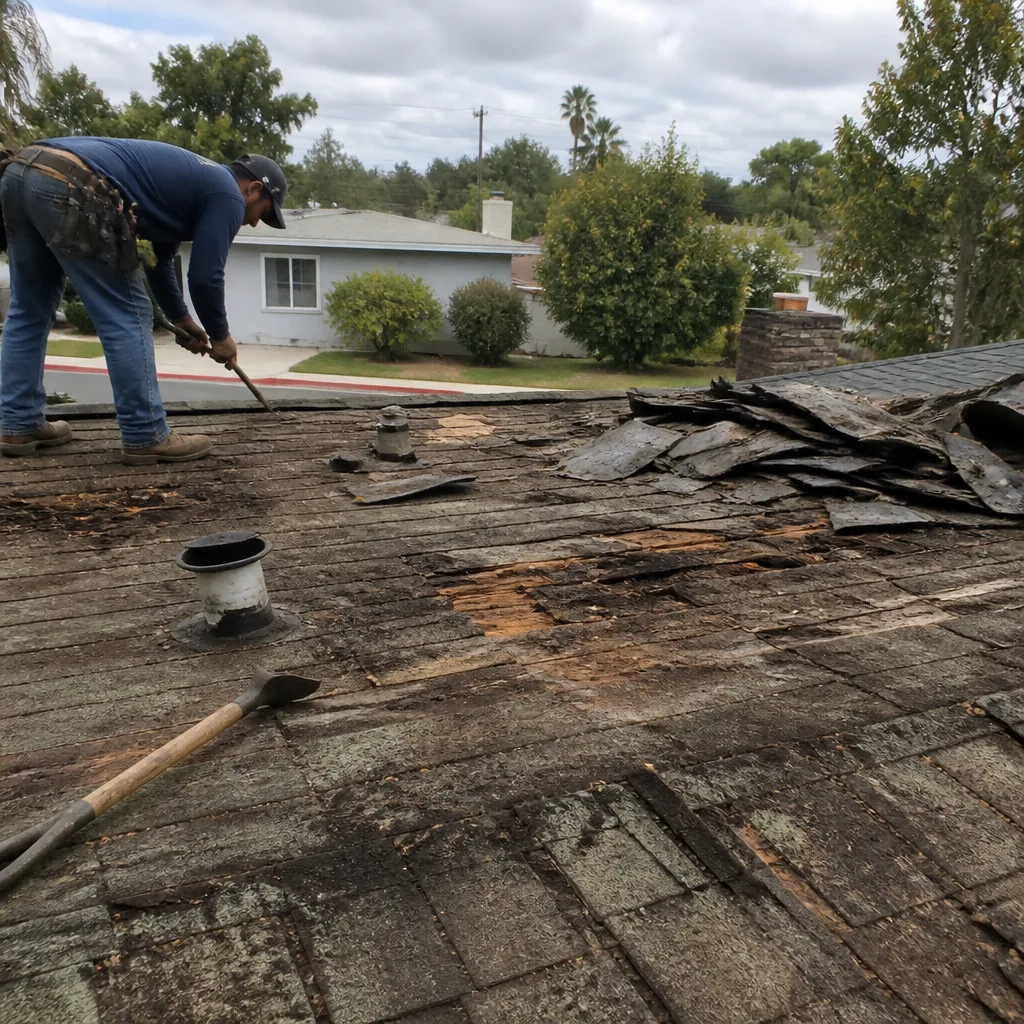 Before
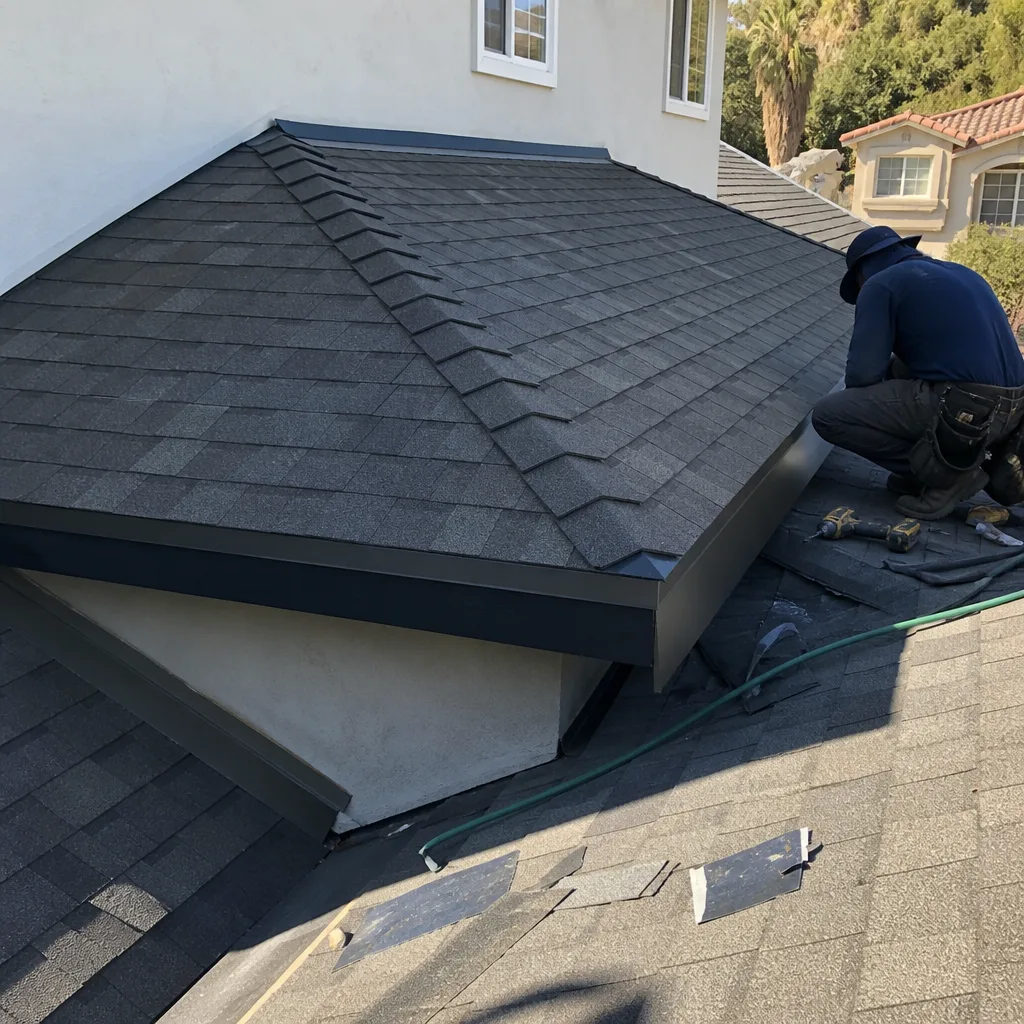 After
After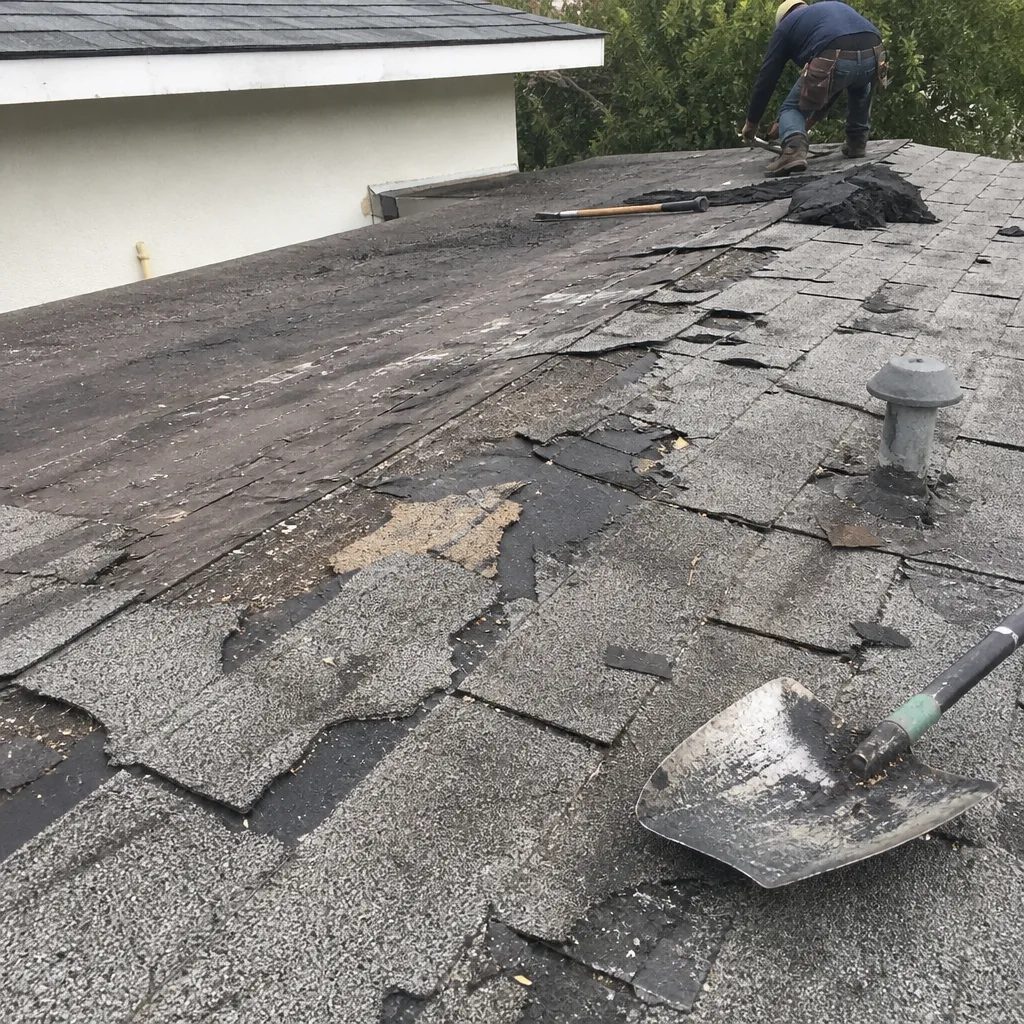 Before
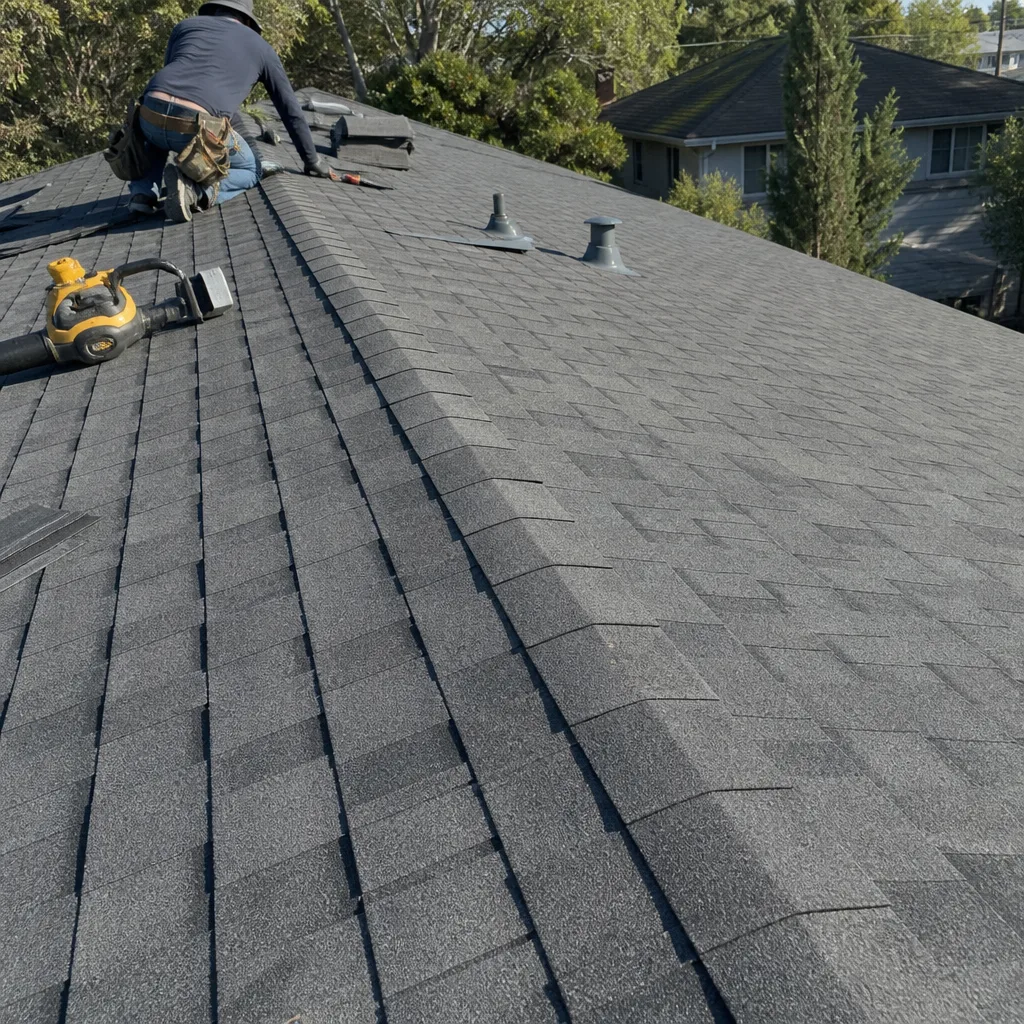 After
After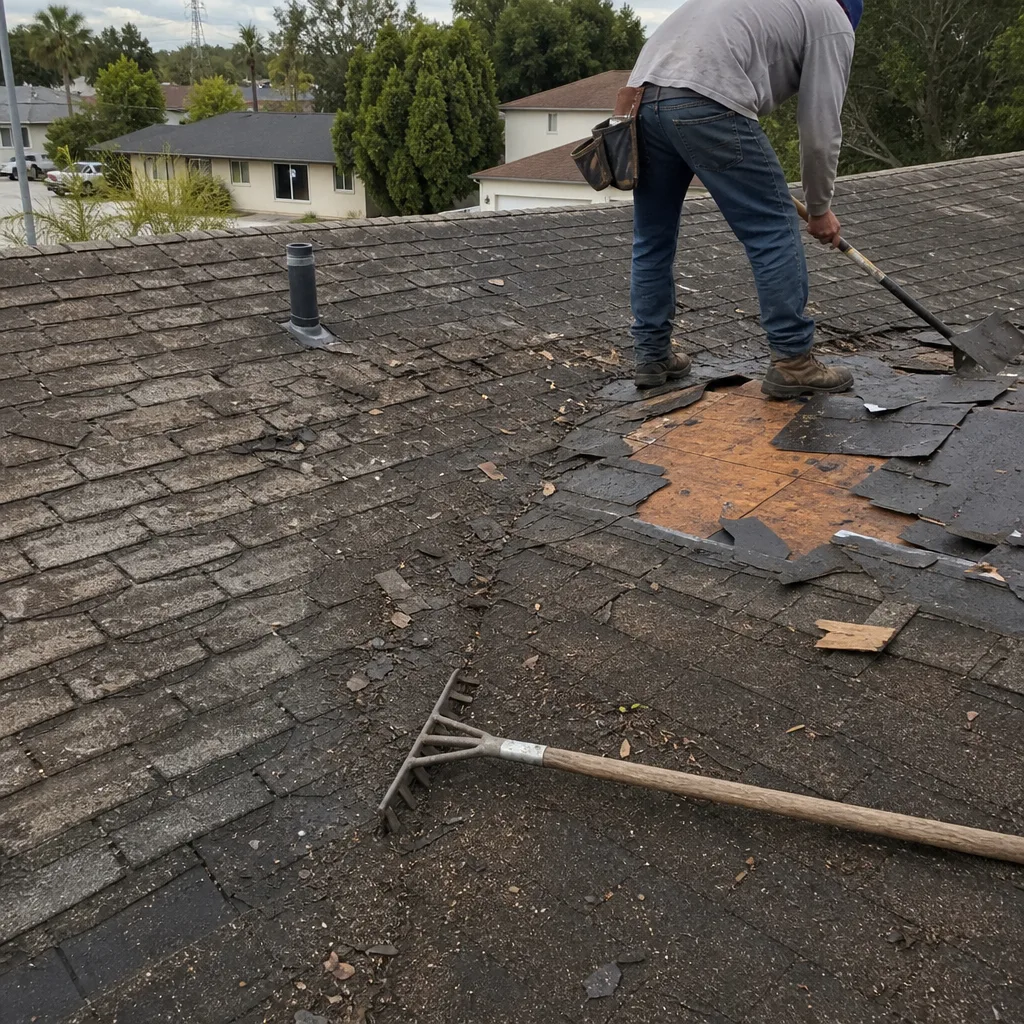 Before
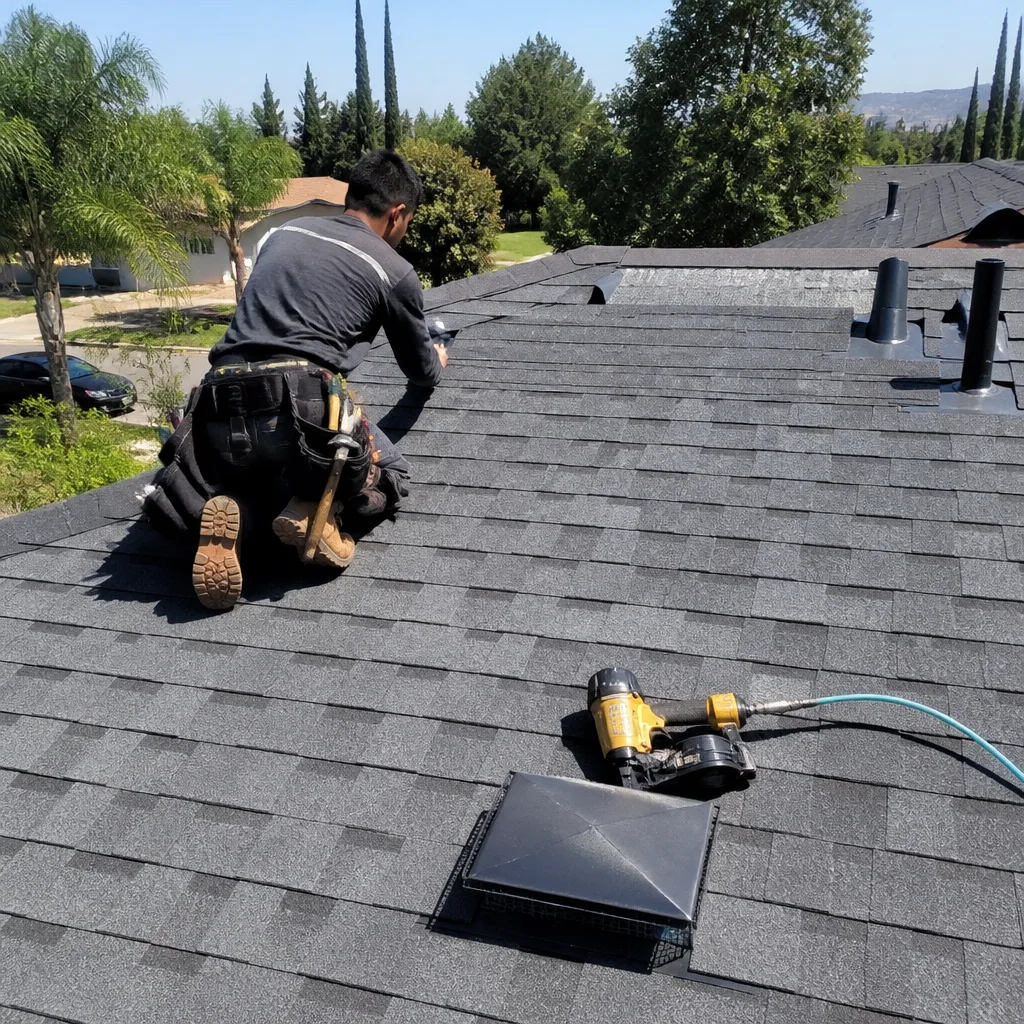 After
After