
Last updated October 17, 2026
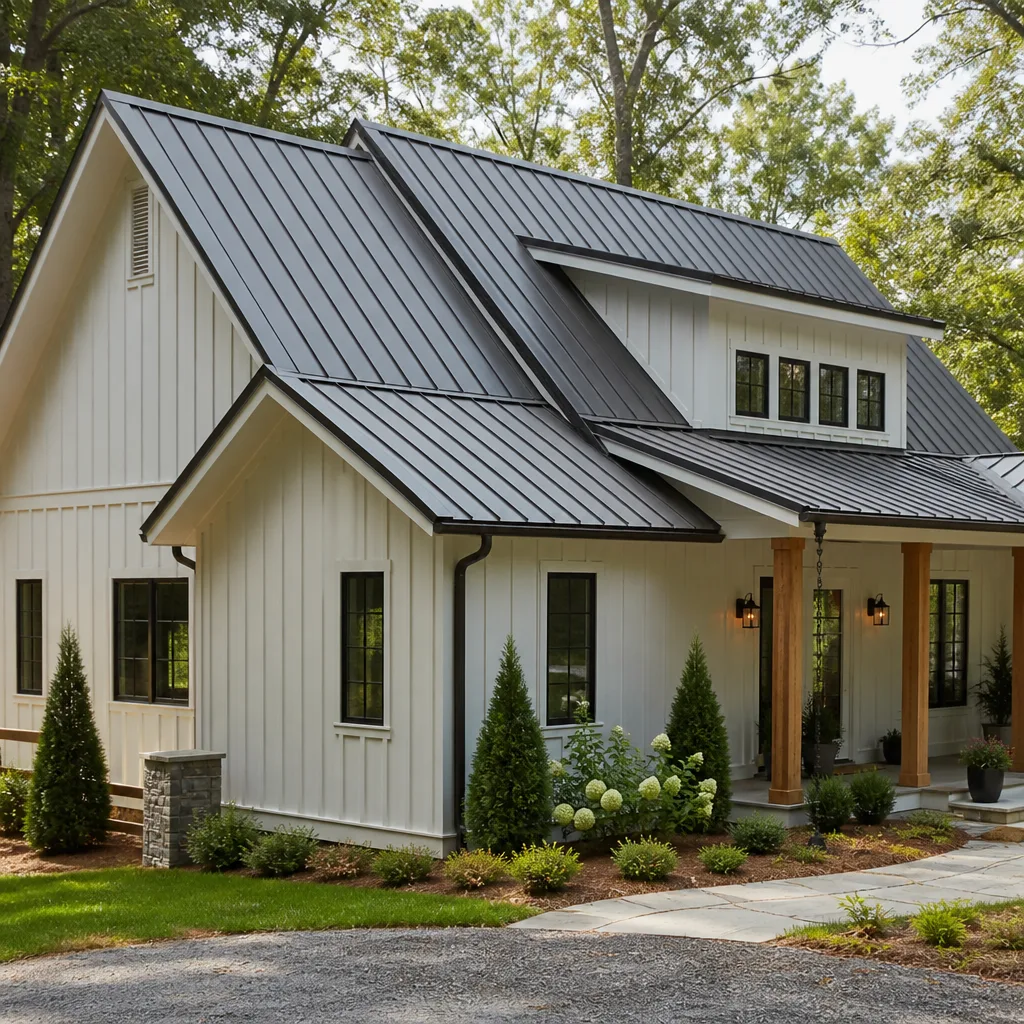 Metal roofing
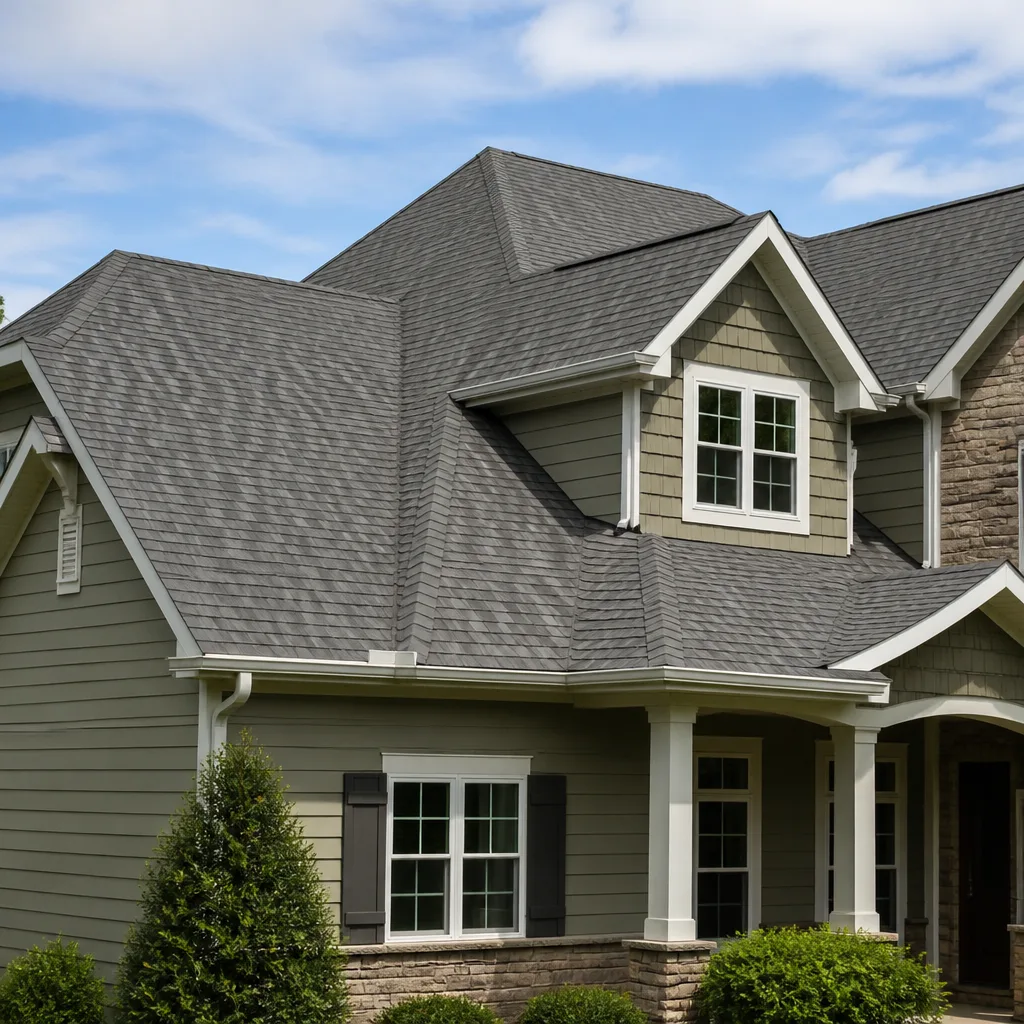 Architectural shingles
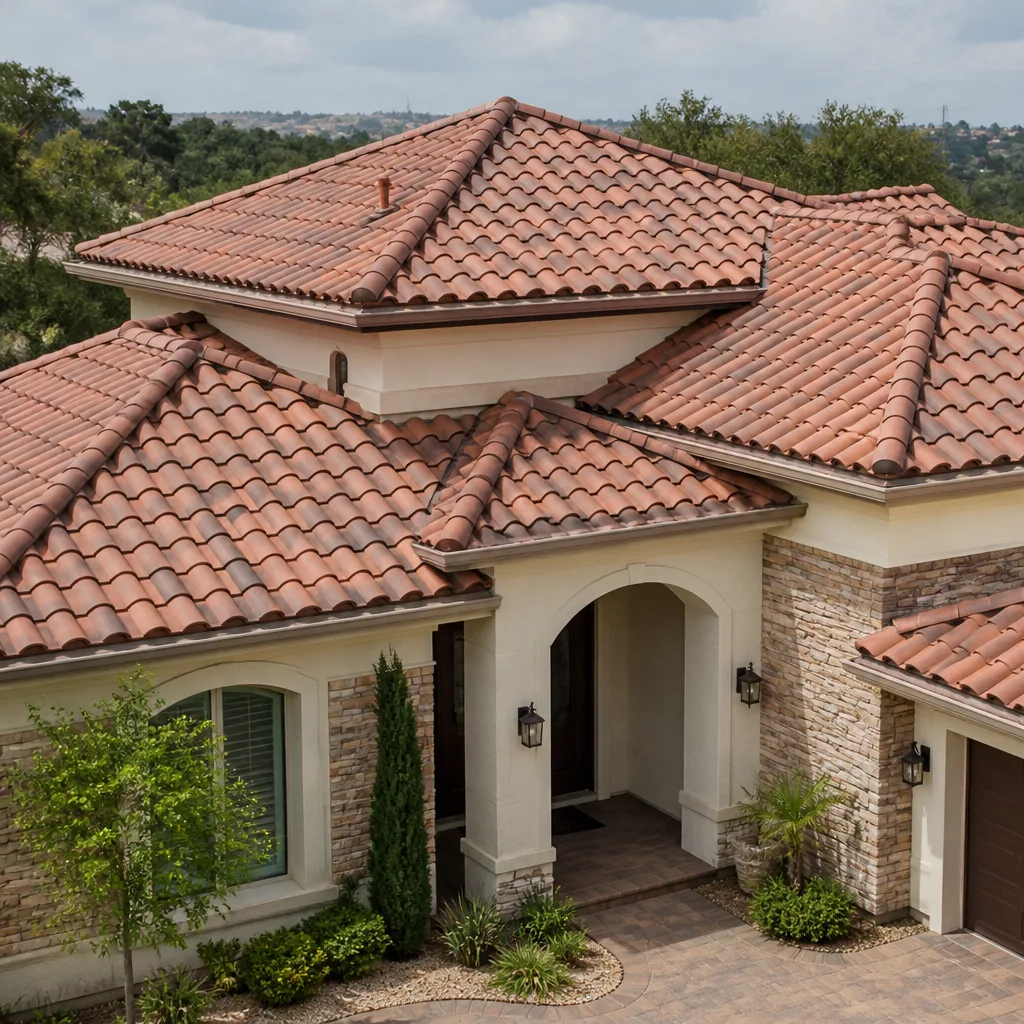 Tile roofing
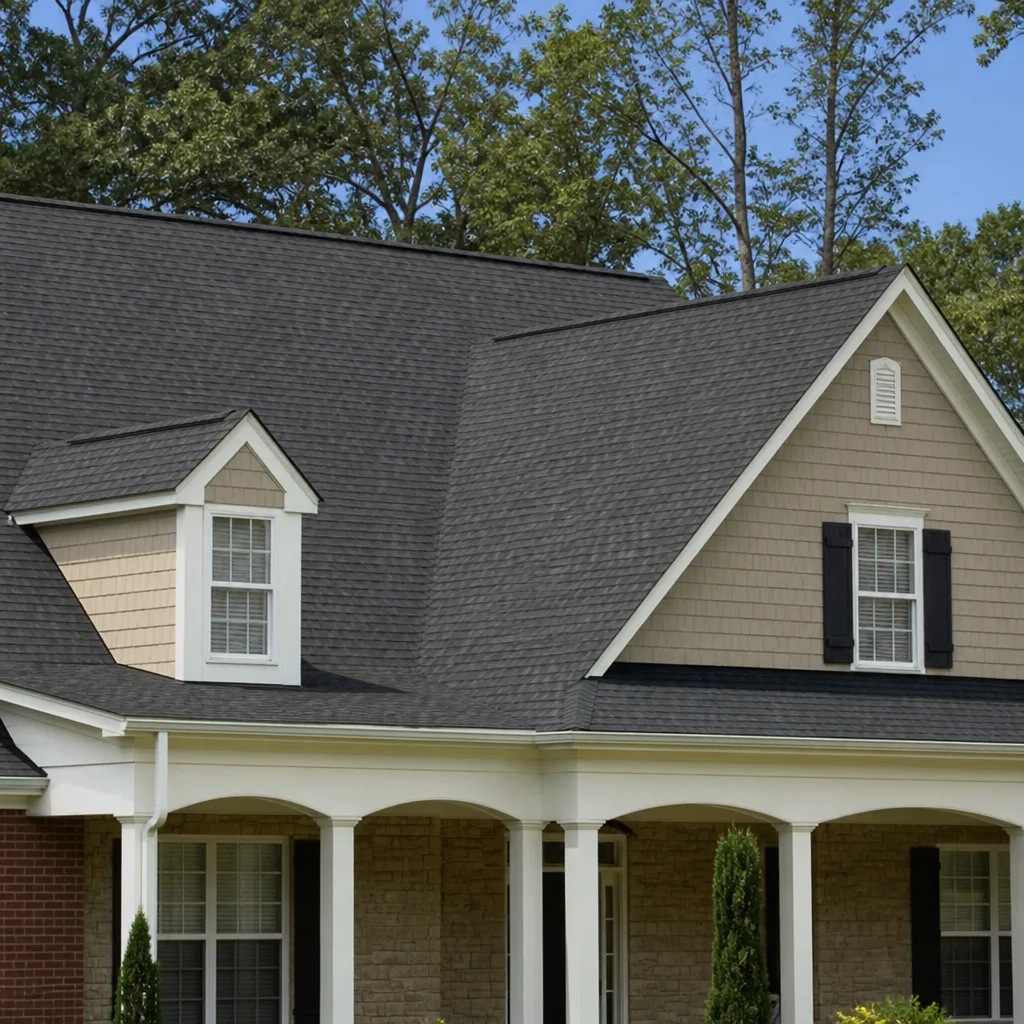 GAF
GAF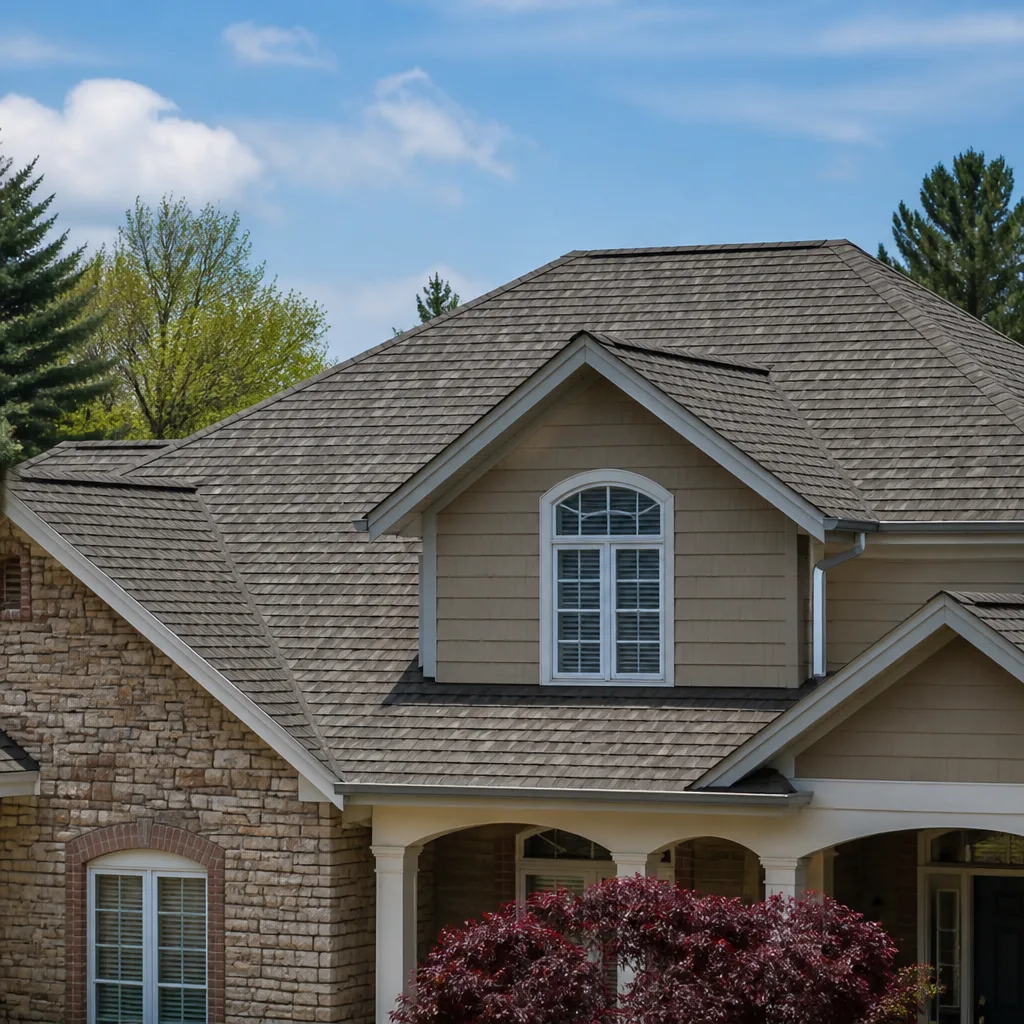 Owens Corning
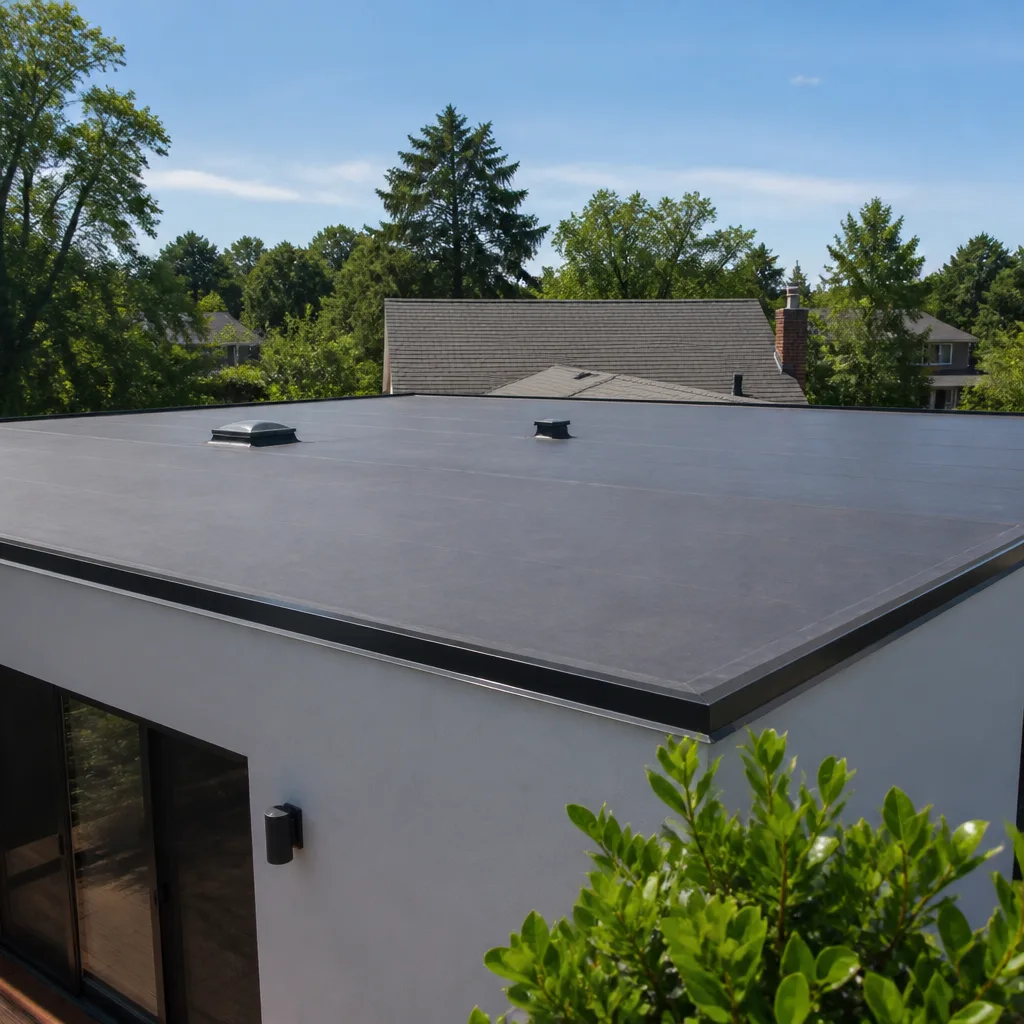 Flat & low-slope
Free roof inspection with deck photos before we talk money - GAF and Owens Corning certified installation
The Complete Guide to Roofing in Woodland Hills
Woodland Hills hit 121°F on September 6, 2020 – the hottest temperature ever recorded in Los Angeles County. Most roofing guides written for “Southern California” never account for that kind of thermal extreme. They treat Woodland Hills like it’s just another suburb with sun and occasional rain. It isn’t. This guide maps every roofing decision to the specific stressors this valley imposes: triple-digit heat corridors, Santa Ana wind gusts that can exceed 60 mph, and brush-fire ember drift from the surrounding hillsides. By the time you finish reading, you’ll know exactly which materials survive here, what a fair price looks like, which permits apply to Woodland Hills proper, and how to spot a roofer who doesn’t understand the micro-climate you live in. For ongoing protection, see our Roof Repair Maintenance Checklist for Woodland Hills Homeowners.
Quick Answer
Roofing in Woodland Hills means choosing materials and installation methods built for extreme heat, seasonal Santa Ana winds, and elevated wildfire risk – not generic “California” conditions. A full roof replacement on a typical 1,800-square-foot home here runs roughly $14,000 to $28,000 depending on material, while targeted repairs typically land between $350 and $1,200. The single most important decision you’ll make is matching your roof assembly to this area’s heat and ember exposure, and getting every price in writing before work starts.
Styles & brands we work with
Table of Contents
- The Heat Problem: Why Woodland Hills Roofs Age Faster Than Coastal LA
- Santa Ana Winds and Ember Drift: The Fire Season Factor
- Pitched vs. Flat Roofs: Woodland Hills Mid-Century Reality
- Roofing Materials Ranked for Woodland Hills Conditions
- What Roofing Costs in Woodland Hills in 2025
- Permits and LADBS Jurisdiction: What Applies to Woodland Hills
- What a Written, Pre-Work Price Should Include
- How to Vet a Roofer Without Opening the Door to a Stranger
The Heat Problem: Why Woodland Hills Roofs Age Faster Than Coastal LA
Woodland Hills sits in what meteorologists informally call the “East Valley oven.” The Santa Monica Mountains block cooling ocean air from reaching this part of the San Fernando Valley, so daytime highs routinely climb 15 to 20 degrees above Santa Monica or Malibu. Your roof deck absorbs that heat all day and radiates it back at night, which means your shingles experience thermal cycling stress that coastal roofs never face.
Here’s what that actually does to a roof. Asphalt shingles are coated with ceramic granules that protect the asphalt substrate from UV degradation. Under sustained temperatures above 110°F, the asphalt softens. When the temperature drops at night, the asphalt contracts. This daily expansion-contraction cycle loosens granule adhesion. On a steep south-facing slope in Woodland Hills, we regularly see granular loss within 8 to 10 years on builder-grade shingles. That same shingle in Santa Monica might hold its granules for 15 years or more.
The telltale sign: check your gutters after a rain. If you’re seeing dark grit that looks like coarse sand, that’s granule loss. It means your shingles are losing their UV shield. Once granules go, the asphalt bakes directly under the sun. Cracking and cupping follow within a few seasons. For Woodland Hills homeowners, this means heat resistance isn’t a marketing word – it’s the primary material spec.
What to Look For in a Heat-Resistant Roof
- Manufacturer-rated high-temperature performance: Brands like GAF and CertainTeed publish technical data sheets with granule adhesion test results. Look for shingles tested to withstand sustained heat above 110°F.
- Light-reflective color profiles: Lighter shingle colors reflect more solar energy back, reducing roof deck temperatures by 20 to 30 degrees compared to dark shingles. CRRC (Cool Roof Rating Council) ratings matter here more than anywhere else in LA County.
- Proper attic ventilation: A ridge vent plus soffit intakes drops attic temperatures dramatically. In Woodland Hills, attic temps above 140°F are common without ventilation. That heat cooks shingles from below, accelerating granule loss even on premium materials.
Santa Ana Winds and Ember Drift: The Fire Season Factor
Santa Ana winds aren’t just an inconvenience for Woodland Hills. They’re the mechanism that turns a distant brush fire into a structure fire. Winds funneling through the 101 corridor and over the Santa Susana Pass regularly hit sustained speeds of 30 to 40 mph, with gusts that can snap tree limbs and lift unsecured shingles. When a brush fire is burning anywhere upwind, those same winds carry embers for miles.
Much of Woodland Hills falls within a Very High Fire Hazard Severity Zone (VHFHSZ) as designated by Cal Fire and enforced through LADBS. That designation changes what roofing materials and assemblies are legally required. If you’re replacing a roof in this zone, you need a Class A fire-rated assembly, which typically means a specific combination of roofing material, underlayment, and edge metal detailing.
The part most homeowners don’t realize: a Class A shingle alone doesn’t give you a Class A assembly. The underlayment and the gaps at eaves, rakes, and valleys are where embers find entry. Embers don’t land on the middle of your roof and sit there – they drift into crevices, sit against fascia boards, and get pushed under shingle edges by wind. Wood shakes and shingles, even treated ones, are a documented fire liability here and are increasingly difficult to insure in VHFHSZ zones.
Ember-Resistant Roofing: What Actually Matters
- Class A fire-rated material from ridge to eave. This includes most modern asphalt shingle brands like CertainTeed Landmark and GAF Timberline, as well as standing seam metal and tile systems.
- Ember-resistant underlayment. A fiberglass-reinforced or modified bitumen underlayment provides a secondary barrier if the primary roof covering is compromised.
- Closed eave and rake details. Gaps between roof decking and fascia allow embers to accumulate. Metal drip edge and properly sealed closures prevent ember intrusion.
- Metal flashing at all valleys and penetrations. Exposed plastic or rubber boots around vent pipes degrade in heat and create ember entry points.
- Gutter maintenance. Dry leaf litter in gutters is ember fuel. During red flag warnings, clogged gutters are a direct ignition vector against your fascia and roof edge.
We advise every Woodland Hills homeowner to verify whether their specific parcel falls within a VHFHSZ before selecting materials. LADBS maintains parcel-level maps, and your contractor should check them before recommending a system. If a roofer quotes you a wood shake replacement without asking about your fire zone, that’s a signal they don’t work in this area regularly. Our How to Hire a Roofing Contractor in Woodland Hills: A Step-by-Step Guide shows you how to vet that experience.
Pitched vs. Flat Roofs: Woodland Hills Mid-Century Reality
A large share of Woodland Hills housing stock was built between 1955 and 1975. That era produced two distinct roof styles: traditional pitched roofs with asphalt shingles on the tract homes south of Ventura Boulevard, and low-slope or flat roofs on mid-century modern and ranch-style homes that dominate neighborhoods like Walnut Acres and the hillside pockets north of the boulevard. These two roof types require completely different conversations.
On a pitched roof, the primary concerns are heat and granule loss. On a flat or low-slope roof (generally anything under a 3:12 pitch), water ponding becomes the dominant factor. Flat roofs in Woodland Hills face a specific pattern: long dry periods that cause membrane contraction, followed by sudden winter downpours that expose every seam and penetration. Modified bitumen, TPO, and torch-down systems each behave differently under this thermal cycling.
The mistake we see most often is a contractor applying a pitched-roof approach to a flat roof – or vice versa. They’re different skill sets. Flat roof work requires specialized knowledge of drain positioning, membrane fastening patterns, and heat-welded seam integrity. If you have a flat roof and a contractor only mentions “shingles,” you’re talking to the wrong contractor.
Flat Roof Considerations for Woodland Hills
- Membrane type matters: TPO reflects heat well but can degrade if exposed to certain adhesives or standing water for long periods. Modified bitumen handles ponding better but absorbs more heat. The right choice depends on your specific roof configuration and drainage pattern.
- Insulation location affects lifespan: Flat roofs with insulation above the membrane (protected membrane roof) perform differently than those with insulation below. This matters in Woodland Hills because attic heat from sun exposure accelerates membrane aging.
- Drainage is non-negotiable: Even a 1-inch pond that sits for weeks after a storm adds disproportionate stress to a membrane. Clogged scuppers and drains on flat Woodland Hills roofs are a routine cause of premature failure.
- Manufacturer warranties differ: Flat roof membranes carry their own warranty structures. Some require manufacturer-certified installers. Boral and Tamko both produce flat roof systems, but warranty validity depends entirely on installation quality and system compatibility.
Roofing Materials Ranked for Woodland Hills Conditions
Let’s be direct. Not every roofing material makes sense in Woodland Hills. Here’s a practical ranking based on the specific stressors this area imposes: extreme heat, wind, and ember exposure. This isn’t a generic list – it’s ranked for this zip code.
1. Standing Seam Metal
Metal reflects solar radiation, carries a Class A fire rating, and withstands wind better than any shingle. It’s also the most expensive upfront. Galvalume and painted steel systems last 40-plus years with minimal maintenance. The downside: cost (often $25,000 to $45,000 for an average Woodland Hills home) and the need for a contractor with specific metal roofing experience. Metal also holds up exceptionally well to the wind loading patterns Santa Anas produce. For hillside homes with wind exposure, it’s hard to beat.
2. High-Performance Asphalt Shingles
Premium shingles from GAF (Timberline HDZ line), CertainTeed (Landmark Pro), and Tamko (Heritage Premium) are the workhorse for most Woodland Hills homes. They carry Class A fire ratings, handle heat well when properly ventilated, and offer 30-year to lifetime warranties. Expect to pay $14,000 to $24,000 for a full replacement on an average home. This is the right choice for most homeowner budgets.
3. Clay and Concrete Tile
Tile is common on Spanish-style and Mediterranean homes throughout the Valley, and it performs well in Woodland Hills heat. Tile roofs naturally ventilate the roof deck, keep attics cooler, and carry Class A ratings when properly installed with a fire-resistant underlayment. The weight is a consideration: your home’s framing must support tile, and not all mid-century structures do without reinforcement. Tile also requires more careful flashing work than shingle roofs.
4. Flat Roof Systems (TPO, Modified Bitumen, PVC)
For low-slope structures, these are the standard choices. TPO offers heat reflection and is common on large flat sections. Modified bitumen handles ponding better and is more durable against foot traffic from HVAC service. PVC is excellent but expensive. The key with any flat roof in Woodland Hills is installation quality – heat-welded seams on TPO and PVC, proper torching or self-adhered application on mod bit.
5. Wood Shake and Shingle
This is the one material we strongly advise against in Woodland Hills. It carries a lower fire rating (even treated shakes top out at Class B unless paired with specialized assemblies), ages quickly under direct sun, and creates insurance complications in VHFHSZ zones. Some homeowners like the look. The risk and long-term cost are higher than the aesthetic value.
What Roofing Costs in Woodland Hills in 2025
Roofing prices vary by square footage, pitch, tear-off requirements, and material. Here are the real ranges we see for Woodland Hills homes. These are total project costs, including labor, materials, disposal, and standard permitting.
| Project Type | Typical Range | Notes |
|---|---|---|
| Minor repair (flashing, small leak) | $350 – $800 | Written guarantee should be included; ask about the free second visit if the repair fails. |
| Moderate repair (multiple shingles, pen boot replacement) | $600 – $1,200 | Ask for the written price before work starts, always. |
| Full asphalt shingle replacement (1,500 – 2,000 sq ft) | $14,000 – $24,000 | Premium shingles from GAF, CertainTeed, or Tamko. Includes tear-off, underlayment, and flashing. |
| Standing seam metal roof (1,500 – 2,000 sq ft) | $25,000 – $45,000 | Class A fire rating, 40+ year lifespan, best for wind and heat. |
| Flat roof replacement (TPO or mod bit, 1,000 sq ft) | $8,000 – $16,000 | Depends on insulation strategy, drain configuration, and membrane choice. |
| Tile roof replacement (comparable footprint) | $22,000 – $38,000 | Heavier than shingle; framing may need verification first. |
These are Woodland Hills market ranges, not quotes. Every home is different. What matters most: get a written, line-item price before any work begins. If a contractor won’t put it in writing, walk away – that’s a red flag anywhere, but especially after a wind event when door-to-door roofers are working the neighborhood. Not sure whether to tackle repairs yourself? Read our DIY vs Professional Roofing: The Woodland Hills Homeowner’s Decision Guide first.
Permits and LADBS Jurisdiction: What Applies to Woodland Hills
Woodland Hills sits within the City of Los Angeles, which means roofing work falls under LADBS jurisdiction – not LA County’s building department. That distinction matters more than most homeowners realize. LADBS has specific requirements for roof replacements that differ from nearby unincorporated areas like Topanga or parts of Calabasas.
For any roof tear-off and replacement, LADBS requires a building permit. The contractor files it, and the work must pass inspection. Repairs that are “limited in scope” (replacing a few shingles, resealing a flashing, fixing a single penetration) typically don’t require a permit, but if you’re replacing more than a certain percentage of the roof area, LADBS treats it as a re-roof and requires the full permit process.
Steps for a Permitted Roof Replacement in Woodland Hills
- Parcel verification: Confirm whether the property falls within a VHFHSZ. This affects material requirements.
- Permit filing: The contractor files a roofing permit with LADBS. The fee is based on project valuation.
- Material compliance check: For VHFHSZ parcels, LADBS review includes fire-resistance documentation for the selected assembly.
- Inspection after tear-off: An inspector typically verifies decking condition before new materials go down. If decking shows rot or heat damage, replacement is required and should have been scoped in writing.
- Final inspection: After installation, LADBS inspects and signs off. Your contractor should provide you with the sign-off documentation.
A roofer who suggests skipping the permit to “save you money” is setting you up for trouble at resale and with your insurance company. Don’t accept that shortcut.
What a Written, Pre-Work Price Should Include
Every reputable roofing company in Woodland Hills should provide a written price before any work starts. Not a verbal ballpark. Not a handshake number. A written, line-item breakdown. Here’s what that document should contain, and what it protects you from.
The Skeleton of a Proper Written Estimate
- Scope of work: Exact work being done – tear-off, decking repair, underlayment type, shingle or membrane brand and model, flashing, edge metal, ventilation.
- Materials list with quantities: Not “shingles” – GAF Timberline HDZ Charcoal, 28 squares, plus ridge cap.
- Labor cost: Stated as a fixed number, not a range.
- Decking contingency: A clearly stated per-sheet price for replacing rotted or heat-damaged decking if discovered during tear-off. This should be defined up front, not a surprise add-on.
- Permit and inspection fees: Itemized separately.
- Disposal fees: Tear-off debris removal.
- Warranty terms: Manufacturer warranty duration, plus the contractor’s workmanship guarantee – in writing, with a specific term. We provide a 365-day written guarantee on every repair, with a free second visit if the repair fails.
- Payment schedule: Never pay the full amount upfront. Standard is a deposit or progress payment structure, with final payment due after inspection passes.
After a wind event, door-to-door roofers often work Woodland Hills neighborhoods with verbal estimates and pressure tactics. A verbal quote that isn’t written down by the time the roofer walks off your property isn’t a quote – it’s a conversation. Roof repair in Woodland Hills done properly always starts with documentation.
How to Vet a Roofer Without Opening the Door to a Stranger
For many Woodland Hills homeowners, the hardest part of roofing isn’t the roof. It’s the moment a stranger knocks on the door. Single parents, older homeowners, anyone home alone during the day – the concern is real. You want the work done, but you don’t want to open your front door to someone you know nothing about.
This is where concrete verification matters. The Mercer Roofing Co Woodland Hills home team operates under the Threshold Verified standard, which means every technician who arrives at your door is background-checked, identity-verified, uniformed, and carrying a photo ID badge. Their name and photo are sent to you before they arrive. You’ll know who’s coming before you open the door – and you’ll have proof of who they are when they’re standing on your porch.
Questions to Ask Any Roofer in Woodland Hills
- “Will you provide a written price before any work starts?” If the answer is anything other than an immediate yes, move on.
- “Are your technicians background-checked and photo-badged?” You should be able to verify the person at your door is the person the company says they are.
- “Does your quote include the permit process?” A roofer who doesn’t mention permits for a replacement doesn’t understand LA City jurisdiction.
- “Is your workmanship guarantee written?” Verbal guarantees aren’t worth the paper they aren’t printed on. Ask for the specific term – “365 days” means something. “We stand behind our work” doesn’t.
- “Have you worked on my type of roof in Woodland Hills specifically?” Flat roof and pitched roof experience are different skill sets. Mid-century ranch homes with low-slope sections are common in this area. The contractor should know how to handle them.
If you’re planning a full replacement, our guide to roof installation in Woodland Hills walks through what a proper tear-off and rebuild should look like from decking to drip edge.
Common Mistakes to Avoid
- Choosing the darkest shingle color for a south-facing slope. Dark shingles absorb more heat, accelerating granule loss. In the Woodland Hills heat corridor, a dark roof can degrade 20 – 30% faster than a light-reflective one.
- Accepting a verbal estimate after a wind event. Door-to-door roofers work the neighborhoods after Santa Anas. No written price, no contract, no work.
- Ignoring underlayment quality. The shingles are what you see, but the underlayment is what protects your decking when shingles fail or embers find a gap. In VHFHSZ zones, underlayment selection is a fire-safety specification.
- Treating a flat roof like a shingle roof. They require different materials, different skill sets, and different warranty structures. A low-slope mid-century ranch home in Walnut Acres can’t be approached with a standard pitched-roof playbook.
- Skipping the permit to save a few hundred dollars. Unpermitted work becomes a resale problem and an insurance problem. LADBS enforcement in LA City matters.
- Not asking about decking contingencies before tear-off. If your decking is heat-damaged or rotted, replacement adds cost. That cost should be defined per-sheet in the written estimate, not discovered mid-project.
- Paying the full balance before the final inspection passes. Standard practice is a deposit, progress payment if the job is large, and final payment after LADBS signs off.
See the difference
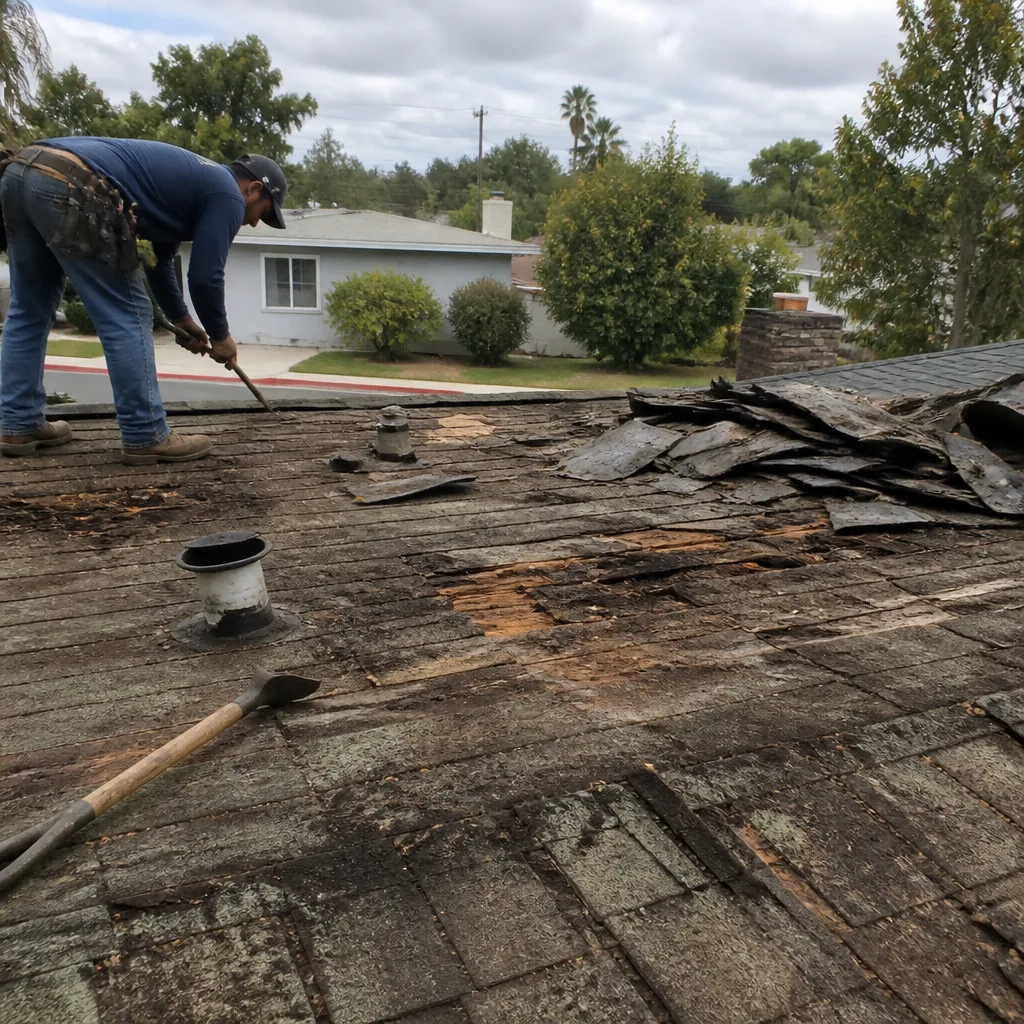 Before
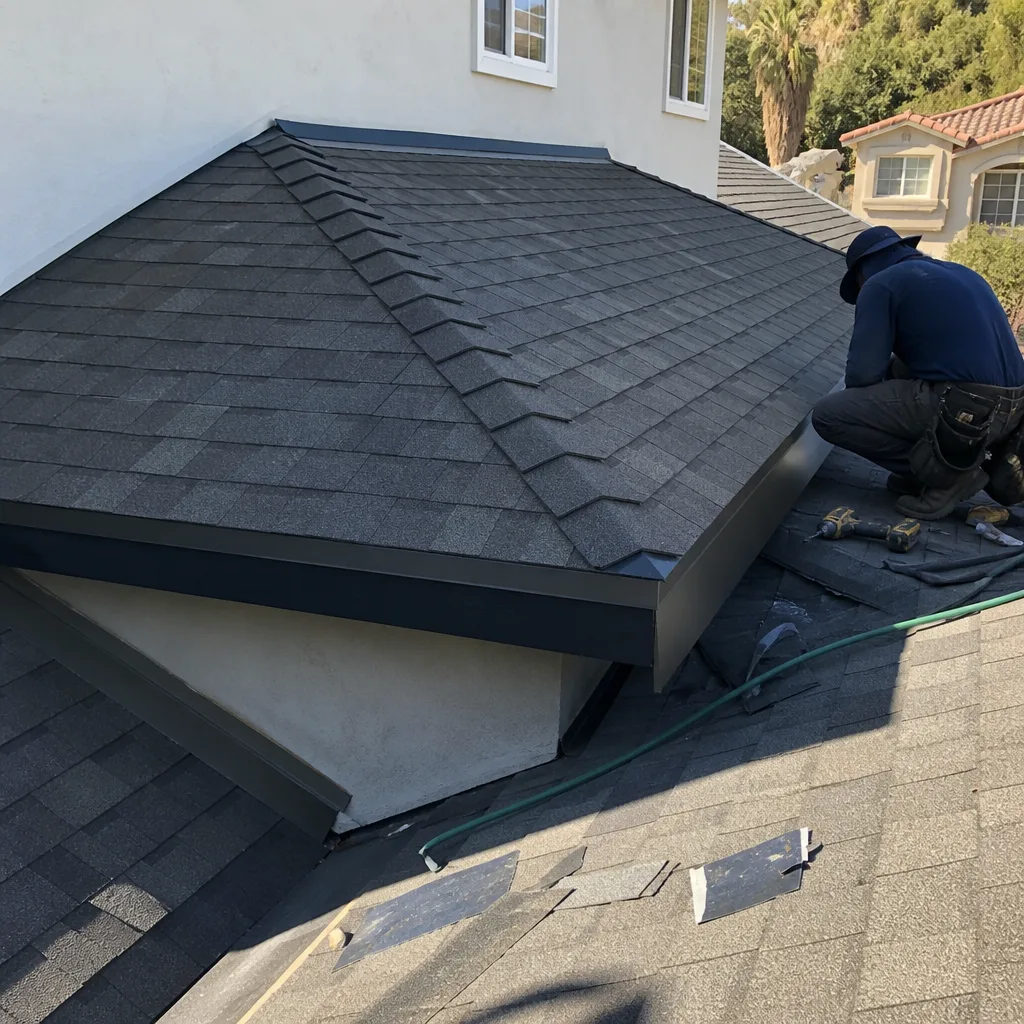 After
After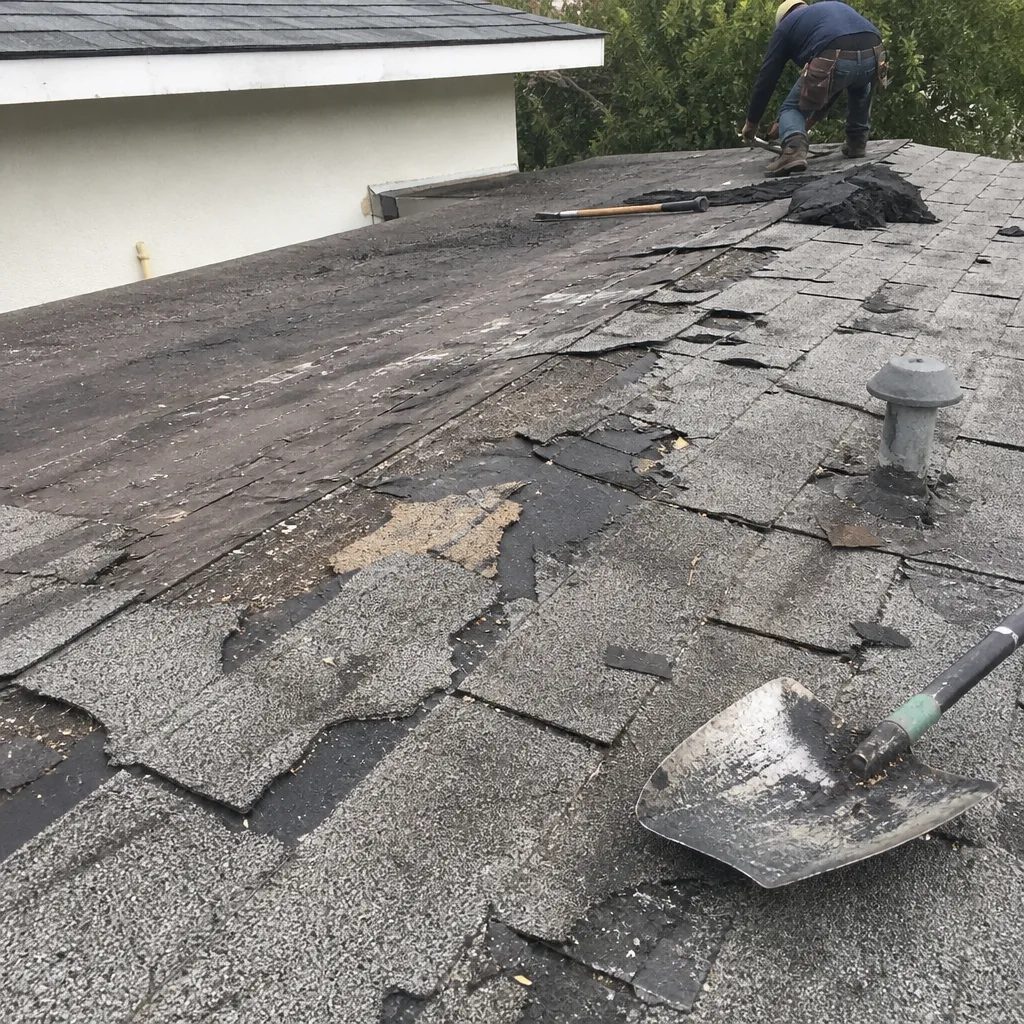 Before
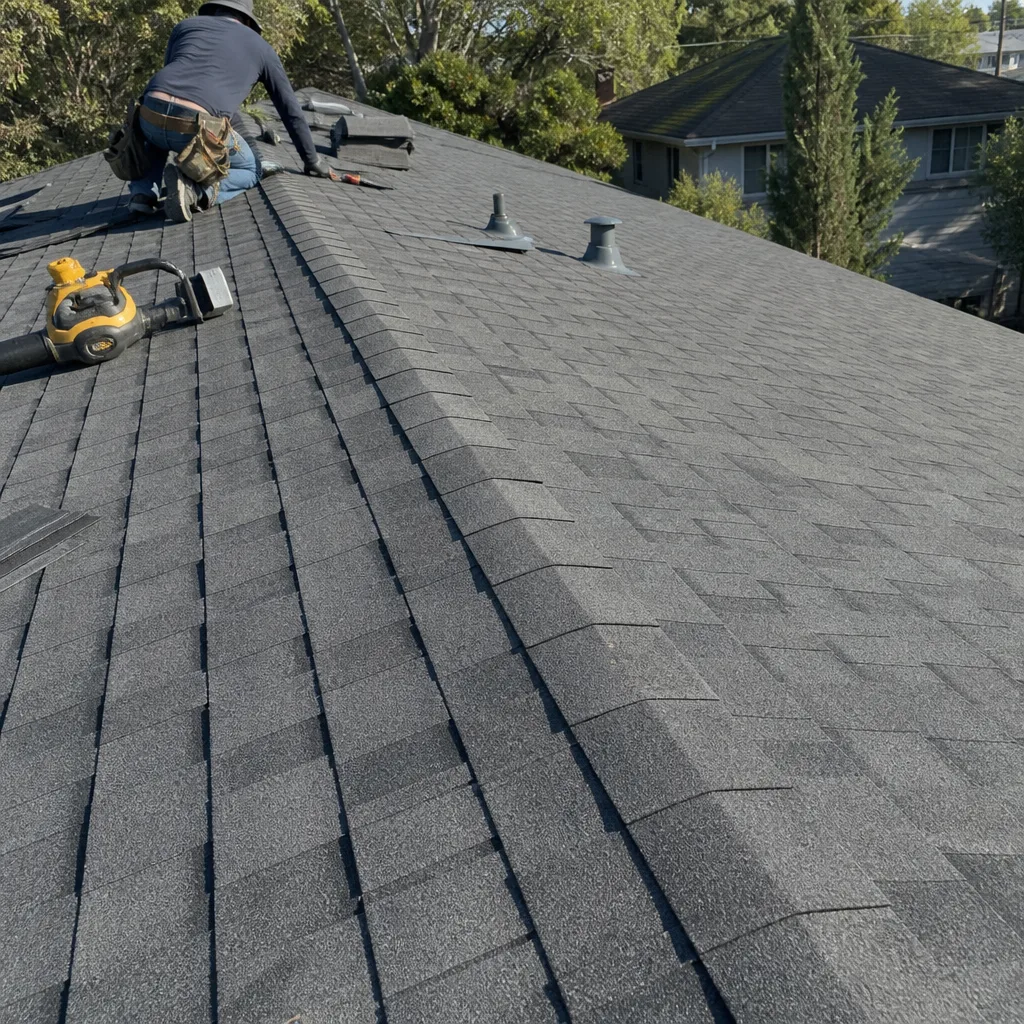 After
After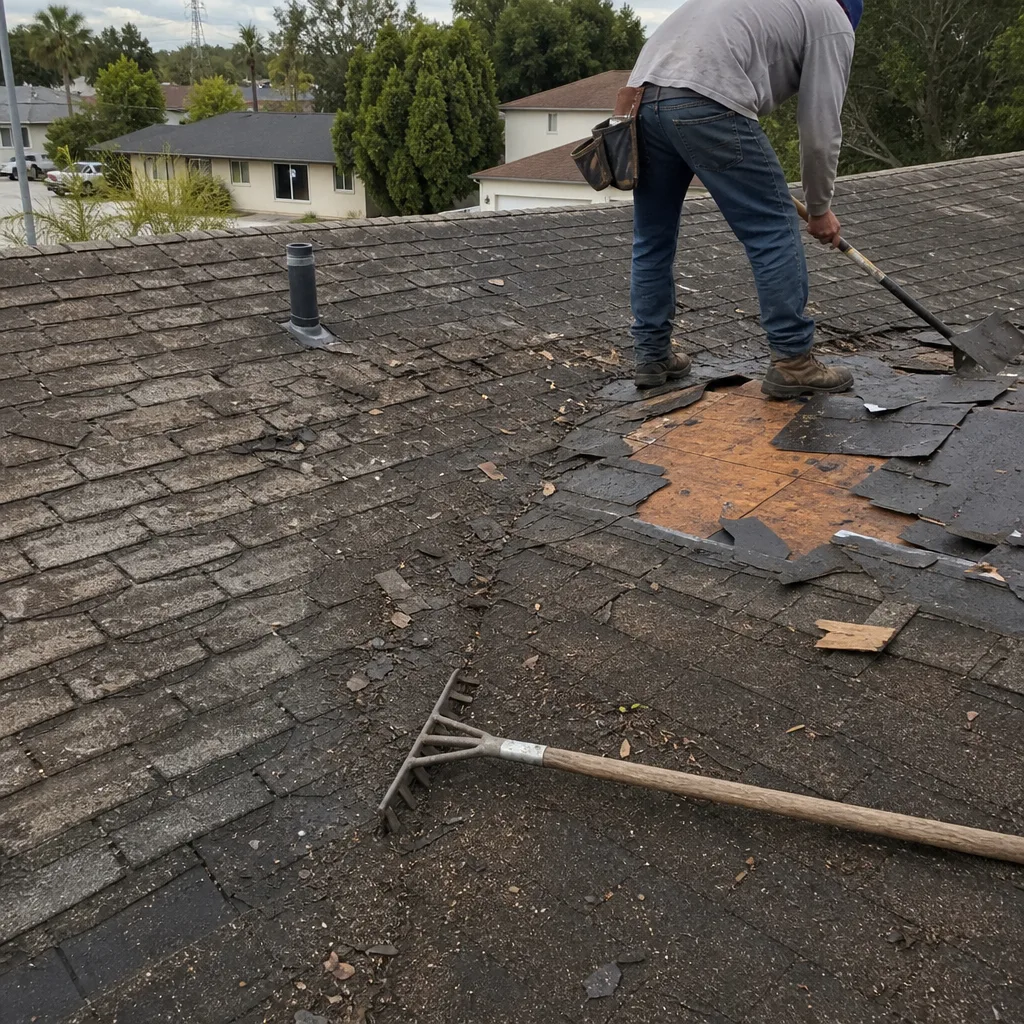 Before
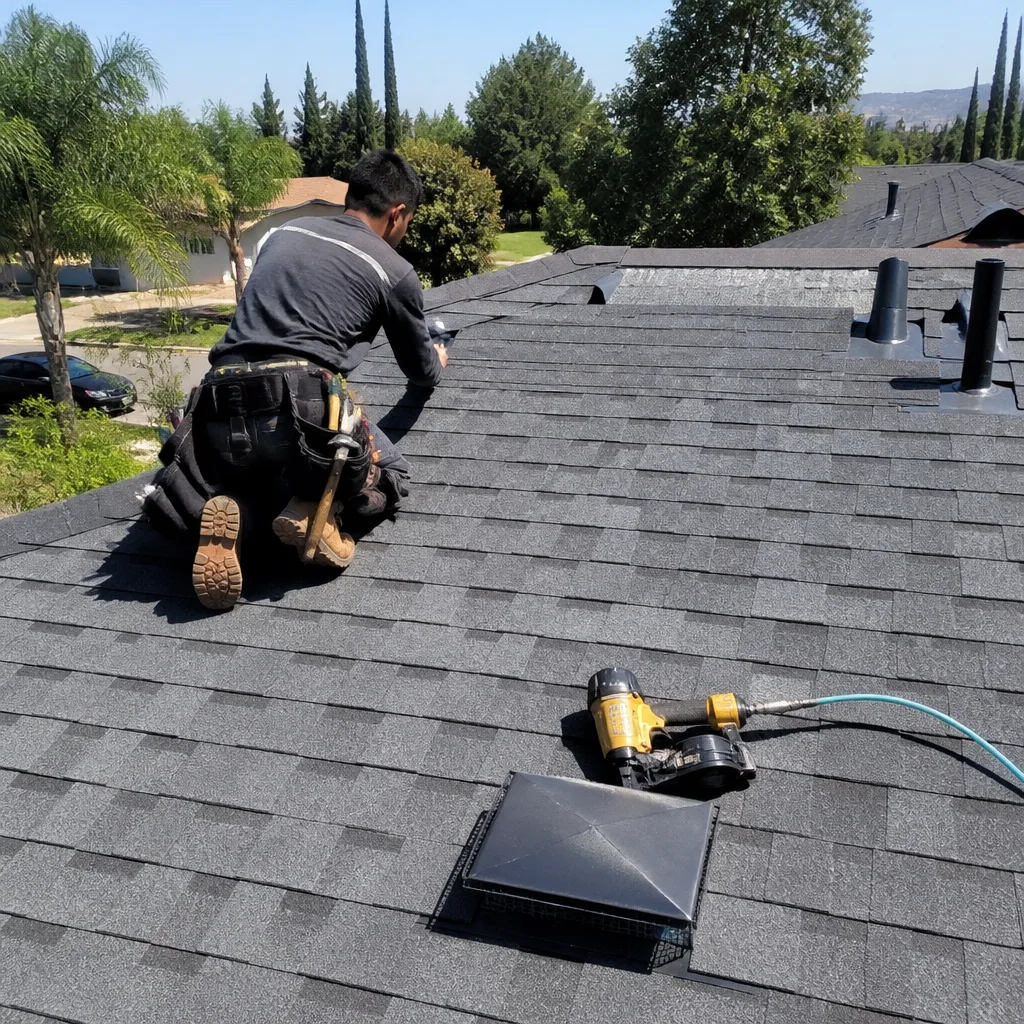 After
AfterWhen to Call a Professional
Call a roofer when you see granule accumulation in your gutters, curling or cracked shingles, damp spots on ceilings, or water staining around penetrations like plumbing vents and chimneys. After a Santa Ana event, check for lifted shingles, displaced flashing, and anything that looks like it shifted under wind load. If you’re in a VHFHSZ zone and considering a roof replacement, you need a contractor who understands LADBS fire-safety requirements. Mercer Roofing Co Woodland Hills offers free estimates in Woodland Hills – call (341) 217-2677 and we’ll walk the property, assess the conditions, and provide a written price before any work begins.
Frequently Asked Questions
A full asphalt shingle roof replacement on a typical Woodland Hills home runs between $14,000 and $24,000, depending on square footage, pitch, and material grade. Metal roofs range from $25,000 to $45,000. Flat roof replacements typically land between $8,000 and $16,000. Call (341) 217-2677 for an exact quote – estimates are free and written.
Yes. Woodland Hills is within the City of Los Angeles, so roof replacements require a permit through LADBS. Minor repairs like flashing replacements or small shingle patches typically don’t, but any substantial re-roof does. A good contractor handles the permit process for you.
Standing seam metal performs best in extreme heat because it reflects solar radiation and doesn’t degrade the way asphalt compounds do. Premium asphalt shingles from GAF, CertainTeed, or Tamko are the most common choice and perform well when installed with proper attic ventilation and lighter color profiles.
Much of Woodland Hills falls within a Very High Fire Hazard Severity Zone (VHFHSZ). This affects what roofing materials and assemblies you’re legally required to use. Verify your specific parcel through LADBS maps before selecting a roof system.
Builder-grade asphalt shingles in Woodland Hills often show granule loss within 8 to 10 years due to the thermal cycling from extreme heat. Premium shingles with proper ventilation can last 20 to 30 years. Metal and tile systems routinely exceed 40 years in this climate.
It shouldn’t – if you have a written, itemized price that includes a defined decking contingency. That’s what a pre-work, line-item estimate does: it locks in the scope. At Mercer Roofing Co Woodland Hills, every job starts with a written price, and every repair carries a 365-day written guarantee with a free second visit if the repair fails. Call (341) 217-2677 to get yours.
The Bottom Line
Roofing in Woodland Hills is a micro-climate problem, not a generic California one. The heat corridor accelerates shingle degradation; Santa Ana winds and ember drift demand fire-resistant assemblies; mid-century home styles split between pitched and flat roof systems that require different expertise. The right roof for this area is one specified for these conditions, installed under a permit, and backed by a written price and a written guarantee. For more guides & resources on protecting your home, explore our blog. When you’re ready to price your project, call Mercer Roofing Co Woodland Hills at (341) 217-2677 for a free estimate. We’ll send you the technician’s name and photo before they arrive, and every price goes in writing before any work begins.
Written by Grant Whitlock, Owner at Mercer Roofing Co Woodland Hills, serving Woodland Hills since 2000.