
Last updated October 17, 2026
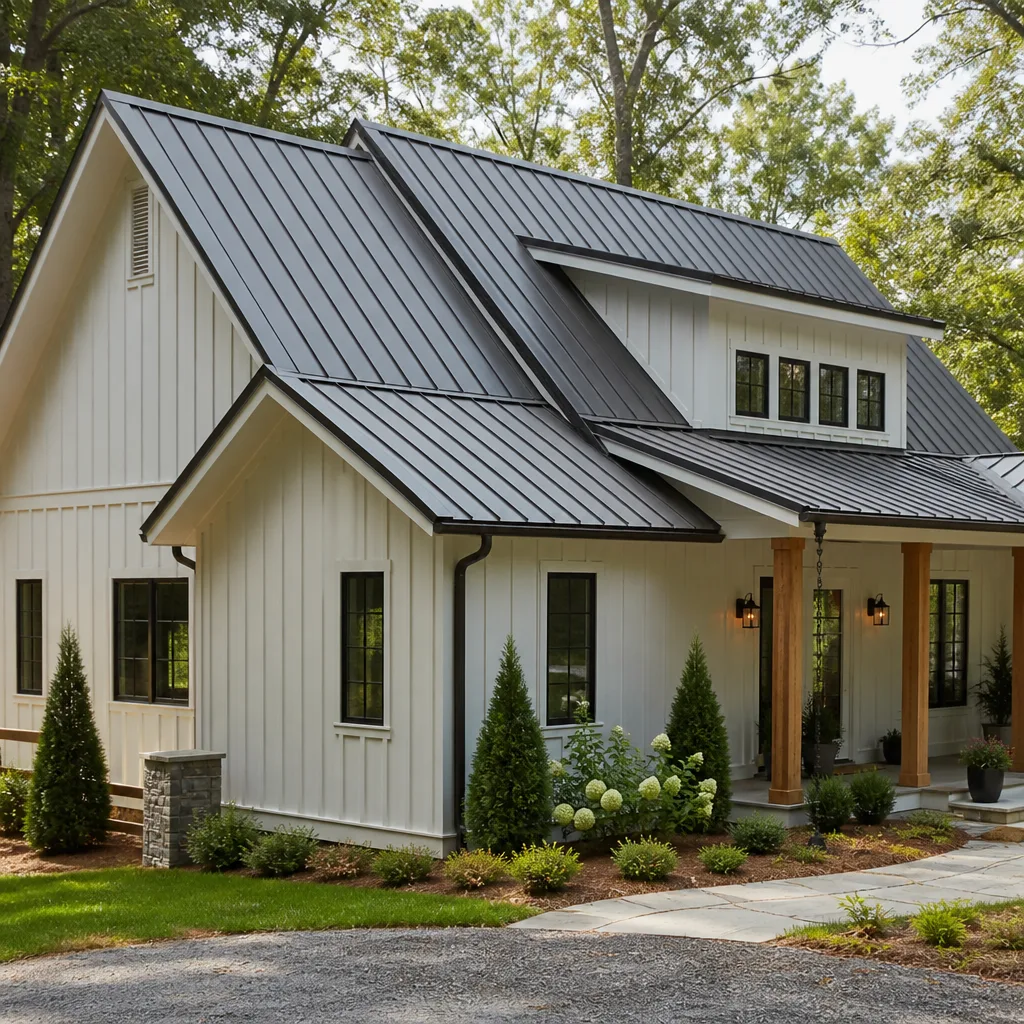 Metal roofing
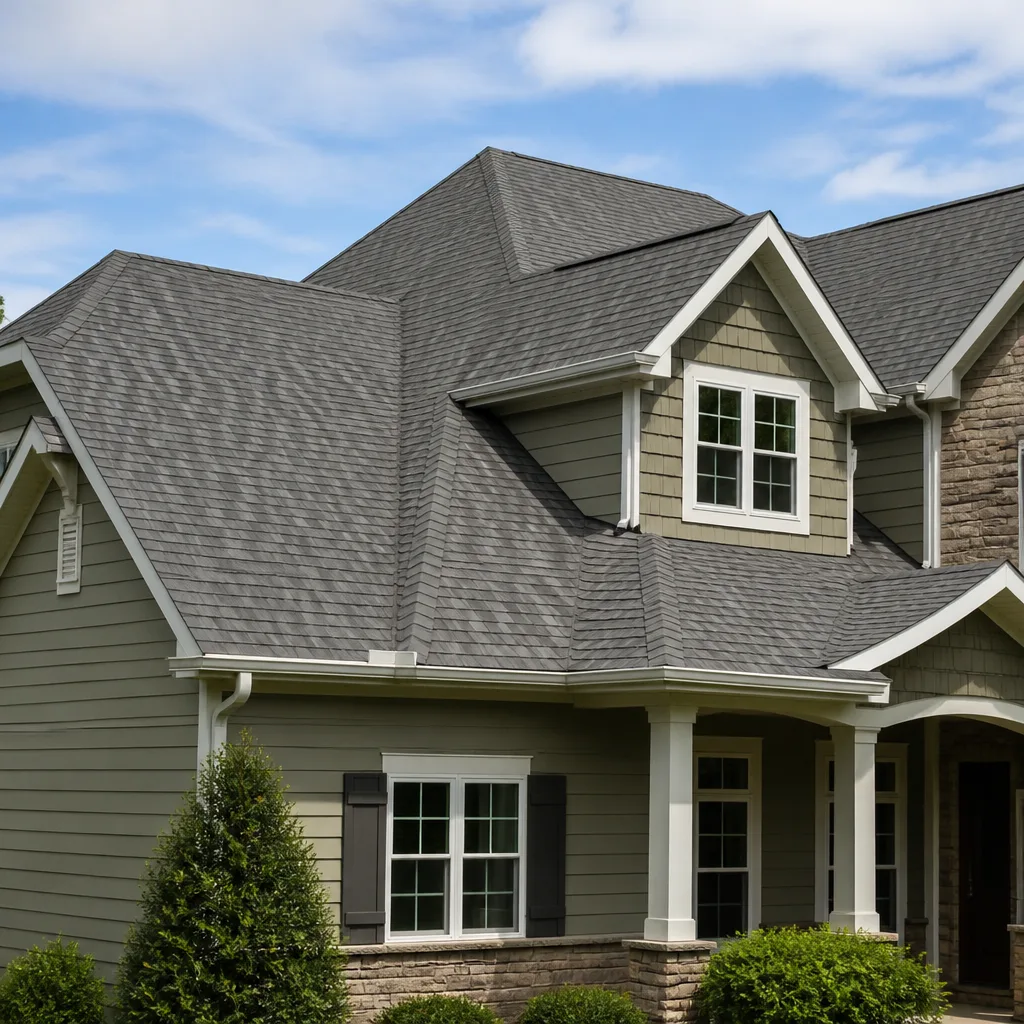 Architectural shingles
 Tile roofing
 GAF
GAF Owens Corning
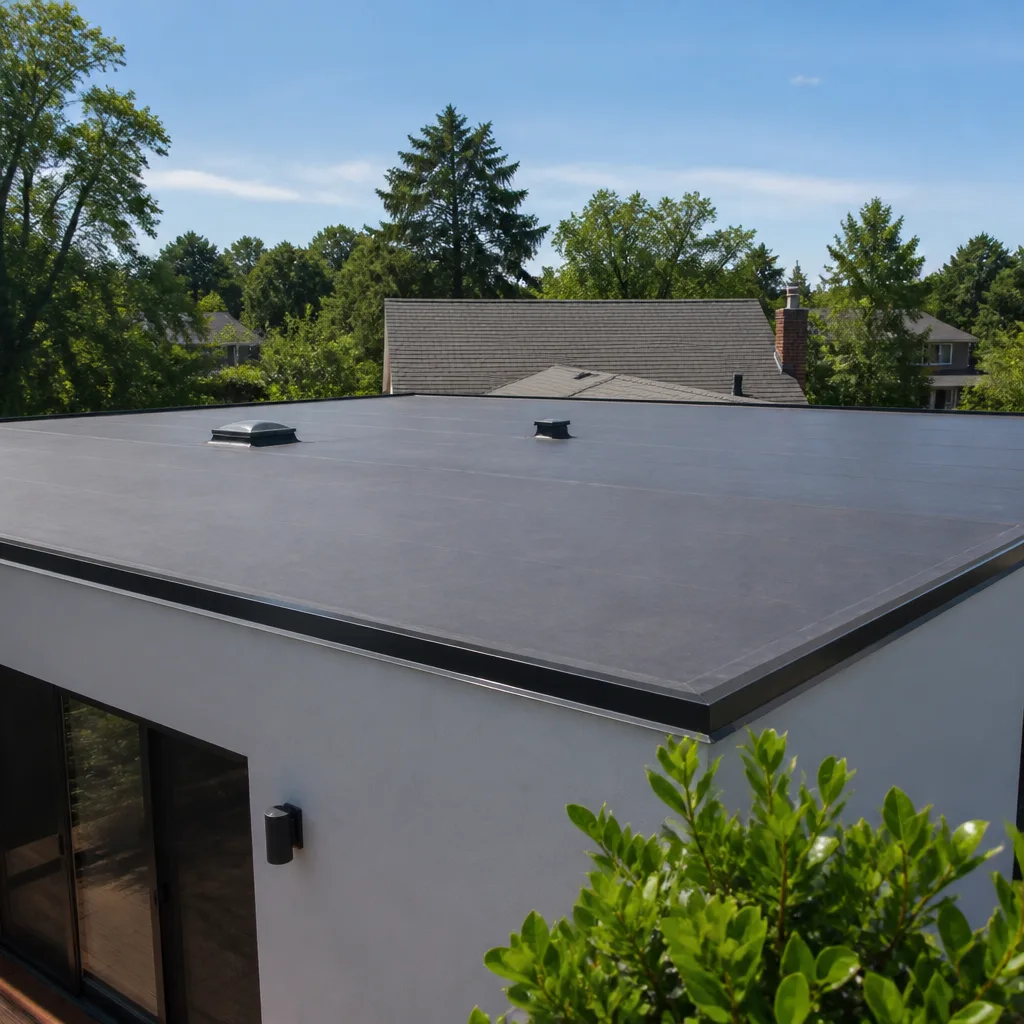 Flat & low-slope
Free roof inspection with deck photos before we talk money - GAF and Owens Corning certified installation
How to Hire a Roofing Contractor in Woodland Hills: A Step-by-Step Guide
After every significant wind or rain event in the San Fernando Valley, unlicensed contractors fan out across Woodland Hills neighborhoods within 48 hours – sometimes before the storm damage has even dried. The California Contractors State License Board logged over 1,000 complaints against unlicensed roofers in a single recent year, and a meaningful share of those originated right here in the west Valley. This guide walks you through exactly how to verify a roofer’s credentials, what documents to demand before work begins, and how to structure payment so you’re never exposed. By the time you finish reading, you’ll have a repeatable process for hiring a roofing contractor in Woodland Hills that protects both your home and the people inside it.
Styles & brands we work with
Quick Answer
To hire a roofing contractor in Woodland Hills, verify their California license on the CSLB website, confirm they carry workers’ compensation and general liability insurance, get a written line-item estimate before any work starts, and ask for the technician’s name and photo before arrival. A reasonable deposit is 10-20% or a fixed dollar amount under $1,000, with the balance paid only after the work passes your visual inspection. Skip any contractor who solicits door-to-door after a storm, pressures you to sign an assignment of benefits, or refuses to put guarantees in writing.
Table of Contents
- Step 1: Verify the California Roofing License (Under 90 Seconds)
- Step 2: Confirm Insurance and Workers’ Compensation Coverage
- Step 3: Vet the Person Who Will Actually Show Up at Your Door
- Step 4: Require These Written Documents Before Work Starts
- Step 5: Structure the Payment Schedule So You’re Never Overexposed
- Step 6: Recognize Post-Storm Solicitation Tactics in Woodland Hills
- Step 7: Understand Materials, Guarantees, and What Actually Gets Installed
- Common Mistakes to Avoid
- When to Call a Professional
- Frequently Asked Questions
- The Bottom Line
Step 1: Verify the California Roofing License (Under 90 Seconds)
Every legitimate roofing contractor in Woodland Hills must hold a C-39 roofing license issued by the California Contractors State License Board (CSLB). The verification process takes less than two minutes, and it’s the single most important check you’ll perform. Here’s how to do it:
- Open the CSLB license lookup tool at cslb.ca.gov and click “Check a License.”
- Enter the contractor’s name or their license number. Every contractor must print their license number on their business card, vehicle, and written estimates. If they won’t tell you the number, that’s your first red flag.
- Read the status field. You want to see “Active” and nothing else. Here’s what the other statuses actually mean:
- Suspended: The contractor cannot legally work. Walk away.
- Expired: The license lapsed. They should not be bidding or starting work.
- Revoked: The CSLB rescinded the license, typically after violations or multiple complaints.
- Inactive: The contractor is not currently authorized to do roofing work.
- Check the coverage type. If the field says “Sole Owner with No Employees,” that’s a homeowner risk signal: the contractor may not carry workers’ compensation, which means if a worker falls off your roof, the injury claim could fall onto your homeowner’s policy.
- Look at the complaint history. The CSLB lists any legal actions or public complaints on the same page. One old complaint may be a dispute; three complaints in two years tells a different story.
In our experience at our roofing company in Woodland Hills, the homeowners who get hurt are nearly always the ones who skipped this 90-second check because the contractor seemed nice or offered a low price. The CSLB makes it free and fast. There’s no excuse not to do it.
Step 2: Confirm Insurance and Workers’ Compensation Coverage
A valid license is necessary but not sufficient. Roofing is high-risk physical work, and if someone gets hurt on your property, the wrong insurance setup can convert your roof repair into a six-figure legal problem. Ask for two documents, each of which should be emailed directly from the insurance provider, not handed to you as a photocopy:
- Certificate of General Liability Insurance: This covers damage to your home if the contractor makes a mistake, like dropping a bundle of shingles through your skylight or backing a truck into your stucco. Typical coverage for roofers is $1 million per occurrence. Confirm the policy is currently active and lists your contractor’s exact legal name.
- Certificate of Workers’ Compensation Insurance: If this document doesn’t exist, and a roofer falls from your two-story Woodland Hills hillside home, you may be liable for the medical bills. Under California law, roofing contractors with employees must carry workers’ comp. Don’t take “I work alone, I’m fine” as an answer, because the risk is on you if they’re wrong.
You can also call the insurance carrier directly using the phone number on the certificate to confirm the policy hasn’t lapsed. Lapsed policies are shockingly common among fly-by-night roofers who buy coverage for one month, print certificates, and then let the policy expire. A two-minute phone call closes that loophole.
Step 3: Vet the Person Who Will Actually Show Up at Your Door
Here’s the part most Woodland Hills contractor guides skip entirely: the person who does the work is not necessarily the person who sells you the job. A contractor may be licensed and insured, but if they subcontract the repair to an unknown crew, all your careful vetting means nothing.
Before you agree to any roofing work, ask these four questions directly:
- “Will the crew that arrives be your own employees or subcontractors?” If the answer is “subcontractors,” ask who they are, whether they’re covered under the same insurance, and whether the same license applies. A yes to your contractor’s license does not automatically mean yes to proper coverage for every sub they use.
- “Will you send me the name and photo of the technician before he shows up?” This is not an unreasonable request. It’s the same security expectation you’d have for a ride-share pickup or an in-home furniture delivery. A contractor who refuses is telling you how much they care about your comfort with a stranger on your property. Mercer Roofing Co Woodland Hills sends every technician’s name and photo ahead of the visit, and the technician badges in with a photo ID at the door. If a company won’t do this, call someone who will.
- “Are your technicians background-checked?” Follow up with “What does your background check actually include?” Many companies claim “background-checked” but only run a basic criminal database search that misses county-level records. A real vetting process includes identity verification, a multi-county criminal search, and a check of the sex offender registry. The Threshold Standard, which Mercer Roofing operates under, requires exactly that: identity verification, background check, and dispatch-level quality oversight on every visit.
- “Will you be the same person on site throughout the job?” You want continuity. A roofer who sells you the job and then never returns while a different crew works unsupervised is a common complaint pattern in the Valley.
This step matters even more for homeowners who are often home alone, parents with young children, and older homeowners in neighborhoods around Ventura Boulevard, Warner Center, and the hills south of the 101. You deserve to know exactly who is coming, and proof of it at the door.
Step 4: Require These Written Documents Before Work Starts
Verbal promises don’t protect anyone. In California, the law requires written contracts for home improvement projects over $500, but even below that threshold, you should insist on paper. Specifically, you want three documents in hand before a single nail is driven:
1. A written, itemized estimate. This should break down materials, labor, disposal, and permit fees line by line, not as a single lump sum. A lump sum tells you nothing about what you’re actually paying for. An itemized estimate lets you compare bids on an apples-to-apples basis, and it lets you question any line item that looks inflated. At Mercer, we provide a written price before any work starts, every time, with no exceptions and no change orders that surprise you later.
2. A written guarantee in plain English. “We stand behind our work” is not a guarantee, it’s a slogan. A real guarantee states the duration (ours is 365 days), what it covers (workmanship, material installation, leak recurrence), what happens if it fails (a second visit to make it right, free of charge), and the process for making a claim (a phone call, not a multi-step email chain). If the contractor won’t put the guarantee in writing, you have no guarantee.
3. A lien waiver or a commitment to provide one. Roofing supply companies and subcontractors can place a mechanics lien on your Woodland Hills property if the contractor doesn’t pay them, even if you already paid the contractor in full. A lien can block refinancing or home sale. Ask the contractor to sign a conditional lien waiver upon final payment, and ask whether they’ll provide partial lien waivers from their material suppliers before you release the final check. If they balk, that’s a signal they may not be paying their bills.
Additionally, if you’re getting a full roof installation in Woodland Hills, ask for a manufacturer warranty registration commitment in writing. Many shingle manufacturers (including GAF and CertainTeed) offer extended warranty coverage, but only if the contractor registers the job properly and is certified to install to the manufacturer’s specification. The manufacturer warranty protects the material; the contractor’s written guarantee protects the workmanship. You want both.
Step 5: Structure the Payment Schedule So You’re Never Overexposed
The moment you pay more than the work that’s been completed, you lose leverage. A roofer who has been overpaid can disappear, delay, or cut corners, and you’re left chasing them. Here’s a payment schedule that protects you on every Woodland Hills roofing project, whether it’s a simple roof repair in Woodland Hills or a full tear-off:
- Deposit: 10-20% of job cost, or a fixed cap of $1,000, whichever is less. On a $12,000 roof replacement, a 10% deposit is $1,200, which is reasonable. A contractor asking for 50% up front is asking you to finance their cash-flow problem. California law limits deposits on home improvement contracts to the lesser of 10% or $1,000, and while roofing has some carve-outs for custom materials, any deposit above 20% should trigger hard questions.
- Material payment: paid when materials are delivered to your driveway. It’s reasonable for a contractor to want payment when they’ve put materials on your property, because now the job is committed. Inspect what was delivered against the estimate before writing that check: brand, type, quantity, and color.
- Progress payment: at an agreed milestone mid-project. For a full roof replacement, that might mean when the old roof is torn off, the decking is repaired, and the underlayment is in place. Progress payments should always reflect work that’s visibly complete.
- Final payment: upon final inspection, walkthrough, and receipt of a lien waiver. Walk the roof with the contractor, or at minimum have them walk it with you while they point out the finished work from a safe ladder position or via photos. Once you release final payment, sign the lien waiver at the same time.
Never pay cash for the full job. Never wire money to a personal account. And never let “we can start today for a cash discount” override the requirement for a written contract, because the contractor who wants to skip paperwork is the contractor who wants to skip accountability.
Step 6: Recognize Post-Storm Solicitation Tactics in Woodland Hills
Woodland Hills sits in a high-wind corridor along the 101, and after Santa Ana wind events or heavy winter rain, two things happen in this specific valley market: legitimate local roofers get busy, and out-of-town solicitors show up within 48 hours knocking on doors in neighborhoods like Walnut Acres, Warner Center, and the tracts along Valley Circle. These are not the same kind of contractor.
Here’s what a storm-chasing roofer’s pitch often looks like, and how to respond:
- “We noticed damage on your roof from the street.” Real damage is rarely visible from the street unless a tree fell on it. What they mean is “we noticed your neighborhood, and your roof is probably old.” Tell them you’ll have an independent assessment done by a roofer you researched yourself.
- “Sign this assignment of benefits and we’ll handle your insurance directly.” An assignment of benefits (AOB) transfers your right to collect insurance proceeds to the contractor. Once signed, you’ve lost control of the claim. A contractor can inflate the scope, bill your insurer, and you’re left arguing with both of them. Legitimate roofers will help you document damage for a claim without demanding assignment of your benefits.
- “We have extra materials left over from a job in your area and can give you a deal.” Leftover materials mean someone else’s canceled job, and the “deal” is almost always priced above market once the change orders start.
- “We’re not licensed, but we work under another contractor’s license.” This is illegal in California. An unlicensed contractor “borrowing” a license is not covered by insurance, cannot pull a permit, and you have no recourse if the work fails. Woodland Hills code enforcement and the CSLB actively pursue these cases, but enforcement only happens after the damage is done.
After any storm event, take photos of your roof yourself. If your goal is an insurance claim, document before anyone walks on it. Then call a roofing contractor that you found through your own research, not one that found you through your doorbell.
Step 7: Understand Materials, Guarantees, and What Actually Gets Installed
The price difference between two Woodland Hills roofers bidding on the same home often comes down to what’s under the shingles, not what’s on top. If you don’t specify, the contractor will choose whatever earns them margin, and that’s not necessarily what your home needs.
Shingle brand matters more than many contractors admit. The major domestic manufacturers, GAF, CertainTeed, and Owens Corning, all produce quality architectural shingles, but they differ in warranty structure, availability, and install specification. A contractor who installs multiple manufacturers’ lines (rather than locking you into a single brand they push on every job) is choosing based on your roof, not their inventory. We work with manufacturer-recognized shingle lines from GAF, CertainTeed, and Owens Corning, among others, because different homes in different parts of Woodland Hills have different wind exposure, heat load, and aesthetic needs. A hillside home off Mulholland with full afternoon sun and Santa Ana exposure may warrant a different selection than a mid-century ranch in a shaded pocket of Tarzana-adjacent Woodland Hills.
Flashing is the most failure-prone component on any roof. Flashing is the metal material that seals the transitions between your roof and things like chimneys, skylights, vents, and side walls. In Woodland Hills, where many homes have composition shingle roofs meeting stucco walls and clay tile accents on entryways, flashing work is the difference between a roof that lasts 20 years and a leak that appears in the first heavy rain. Ask your contractor how they handle flashing: Will they reuse existing flashing or replace it? What material do they use? A contractor who tries to reuse old flashing to save cost is not doing you any favors.
Underlayment matters, especially in fire-prone zones. The layer between your decking and your shingles is called underlayment, and in Los Angeles County’s Very High Fire Hazard Severity Zones, which include parts of the hillside areas of Woodland Hills, the building code requires specific fire-rated underlayment for new roof installations. A contractor who doesn’t know this requirement is not familiar with local code. Ask directly: “What underlayment will you use, and is it the fire-rated type required in this zone?” If you get a blank look, call someone else.
Decking repair is often hidden, but it’s not optional. The decking is the plywood or OSB layer that sits on your rafters. If it’s rotted, soft, or delaminated, shingles nailed to it will fail early. Many Woodland Hills homes built in the 1960s and 1970s have original decking that needed replacement a decade ago. A written estimate should state whether decking repair is included, and if additional damaged decking is discovered, what the per-sheet replacement cost will be. That’s not a change-order game, that’s transparency. Fixed pricing with no surprise change orders is what you want to see in writing.
Finally, ask about the guarantee in specific terms, not slogans. “365 days, in writing, covering workmanship and leak recurrence, with a free second visit if the repair fails” is a guarantee. “We stand behind our work” is a sentence that means nothing.
Common Mistakes to Avoid
- Hiring based on price alone. The lowest bid in Woodland Hills is often the contractor who omitted underlayment upgrades, plans to reuse flashing, or doesn’t carry workers’ comp. A $2,000 lower bid can cost $8,000 in follow-up repairs when the “savings” structural decisions fail.
- Skipping the CSLB lookup because “they seemed fine.” The most polished sales presentation often comes from the contractor with the most to hide. The license check takes 90 seconds and it’s free.
- Not verifying insurance directly with the carrier. A photocopied insurance certificate can be fabricated or expired. Call the carrier. It’s a two-minute call that closes the biggest liability gap in roofing.
- Signing an assignment of benefits without reading it. You’re giving away control of your own insurance claim. Never sign an AOB for a door-knocker.
- Paying too much up front. More than 20% deposited before materials arrive is a warning sign that the contractor is undercapitalized, and you’re about to become their lender.
- Not getting the guarantee in writing. If it’s not on paper, the guarantee does not exist. Ask for the guarantee wording before you sign the contract.
- Letting a stranger inside without vetting. The roofer who will access your attic, climb your roofline, and walk your property is a person entering your home. Vet the person, not just the company.
When to Call a Professional
Some roofing problems announce themselves loudly, others quietly. A missing shingle visible from the street, a dark water stain on the ceiling after a winter rain, or granules collecting in your gutters are all signals that a repair is warranted. If you hear scratching in the attic, that’s wildlife entering through a roof gap, and it needs more than a patch. If a storm left visible damage, get it assessed within a few weeks, because insurance claims have filing windows and damaged roofs deteriorate. If you’re buying or selling a home in Woodland Hills, a pre-sale or pre-purchase roof inspection is standard practice and protects both sides, as outlined in our Roof Repair Maintenance Checklist for Woodland Hills Homeowners. Mercer Roofing Co Woodland Hills offers free estimates in Woodland Hills – call (341) 217-2677 to schedule one, and a real person always answers.
Frequently Asked Questions
Roof repair in Woodland Hills typically costs between $350 and $1,500 for common issues like replacing a few shingles, sealing flashing, or clearing a clogged valley. Full roof replacement runs from roughly $10,000 to $25,000+, depending on roof size, pitch, material, decking condition, and whether the home sits in a fire-hazard zone requiring upgraded underlayment, as detailed in our Roofing Cost Breakdown: The Woodland Hills Homeowner’s Reference for 2026. Get a written line-item estimate so you know exactly what drives the price. Call (341) 217-2677 for a free quote on your specific roof.
Active leaks and storm damage sometimes allow for same-day or next-day repair, provided materials are on hand and the weather allows safe work. Planned replacements and installations are scheduled, not rushed, so a quality crew can do the work correctly the first time. If you’re dealing with rain entering your home, call (341) 217-2677 and explain what’s happening, and a live person will help you triage it immediately.
The CSLB status field tells you the contractor’s legal standing: Active means currently licensed to work, Suspended means the CSLB stopped the license due to violations, Revoked means it was taken permanently, and Expired means the renewal lapsed. Only Active is acceptable for a contractor doing work on your Woodland Hills home.
No, in nearly every case. An assignment of benefits, or AOB, transfers your insurance claim rights to the contractor, leaving you unable to control what gets billed or what gets paid. Legitimate contractors will help you document damage and file a claim without taking ownership of the claim. If a door-to-door solicitor in Woodland Hills asks you to sign an AOB, say no and close the door.
A written price before work starts should be just that, written and stable. The one legitimate variable in roofing is decking damage that can’t be seen until the old roof is removed. A good contractor will state the per-sheet decking replacement cost in writing before work begins, so that if additional decking is needed, the cost is already agreed upon. If a contractor says they can’t price the job until it’s done, they’re not giving you a quote, they’re giving you an open checkbook. Mercer’s policy is a written price before any work starts, always included, never conditional.
Yes. Los Angeles County and the City of Los Angeles require permits for roof replacements and for certain structural repairs, and Woodland Hills falls under LADBS jurisdiction. A licensed contractor will pull the permit and schedule the inspection as part of the job, per Roofing Permits, Codes & Inspections in CA: What You Need to Know. An unlicensed contractor cannot pull a permit, and if they do the work without one, you may face exposure when you sell the home and the unpermitted work surfaces in disclosure.
The Bottom Line
Hiring a roofing contractor in Woodland Hills is not a matter of picking the first name that appears in a search or the person who rings your bell after a storm. The process is: verify the license on CSLB’s lookup tool, confirm insurance directly with the carrier, vet the specific technician who will be at your door, require written documents from itemized estimate to lien waiver to written guarantee, and structure payment so you’re never ahead of the work. The information exists to make this process fast and certain. Use it. If you’d like to work with a team that already does all of this as standard practice – written pricing before work starts, a 365-day Done Right Promise in writing, techs who send their name and photo before arrival and badge in with photo ID – Mercer Roofing Co Woodland Hills would be honored to give you a free estimate. Call (341) 217-2677.
Written by Grant Whitlock, Owner at Mercer Roofing Co Woodland Hills, serving Woodland Hills since 2000.
See the difference
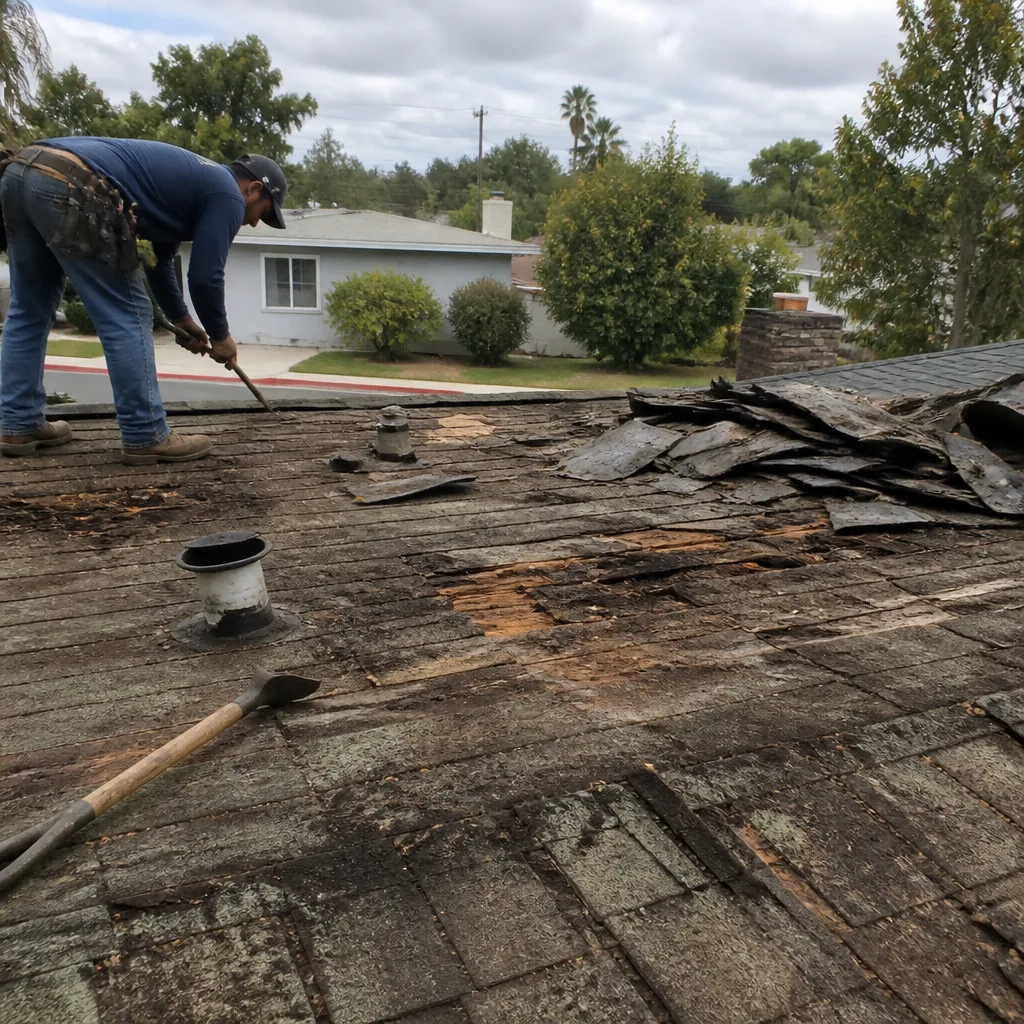 Before
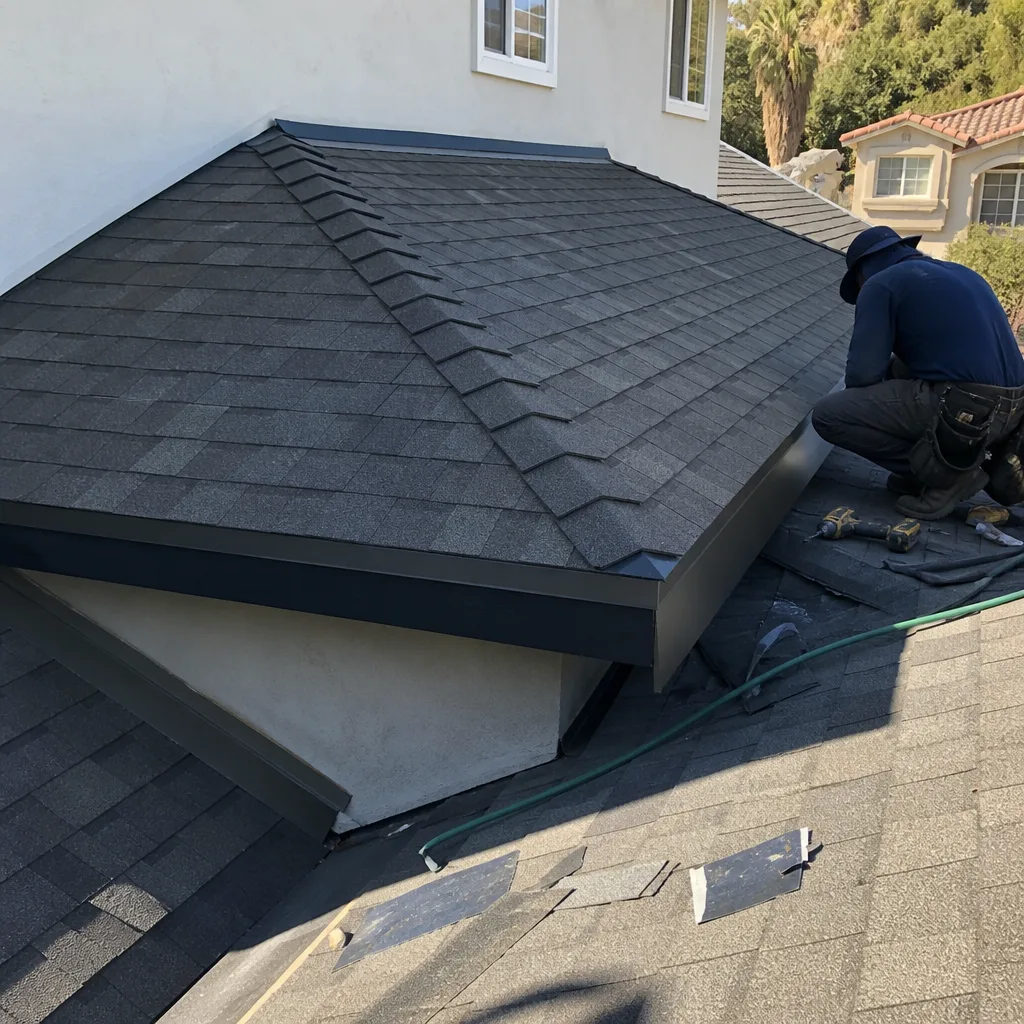 After
After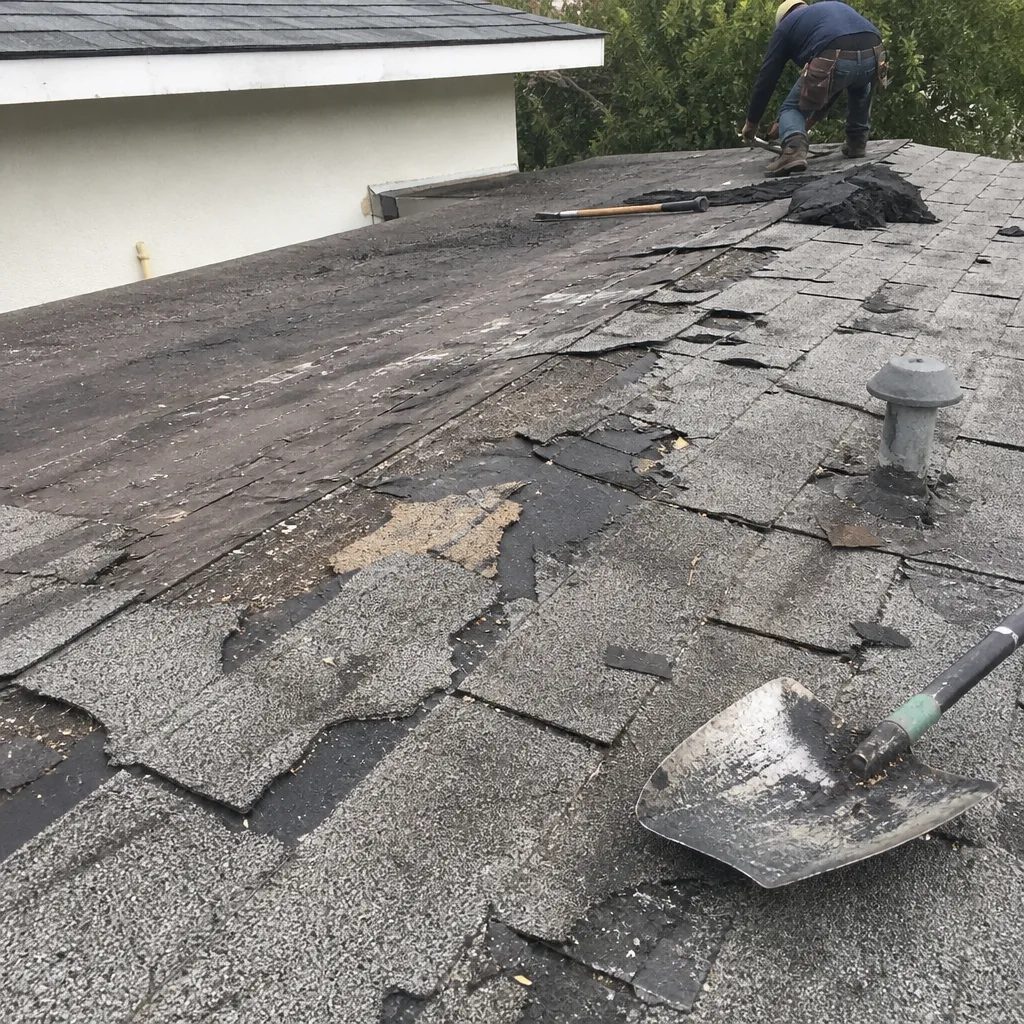 Before
 After
After Before
 After
After