
Last updated October 17, 2026
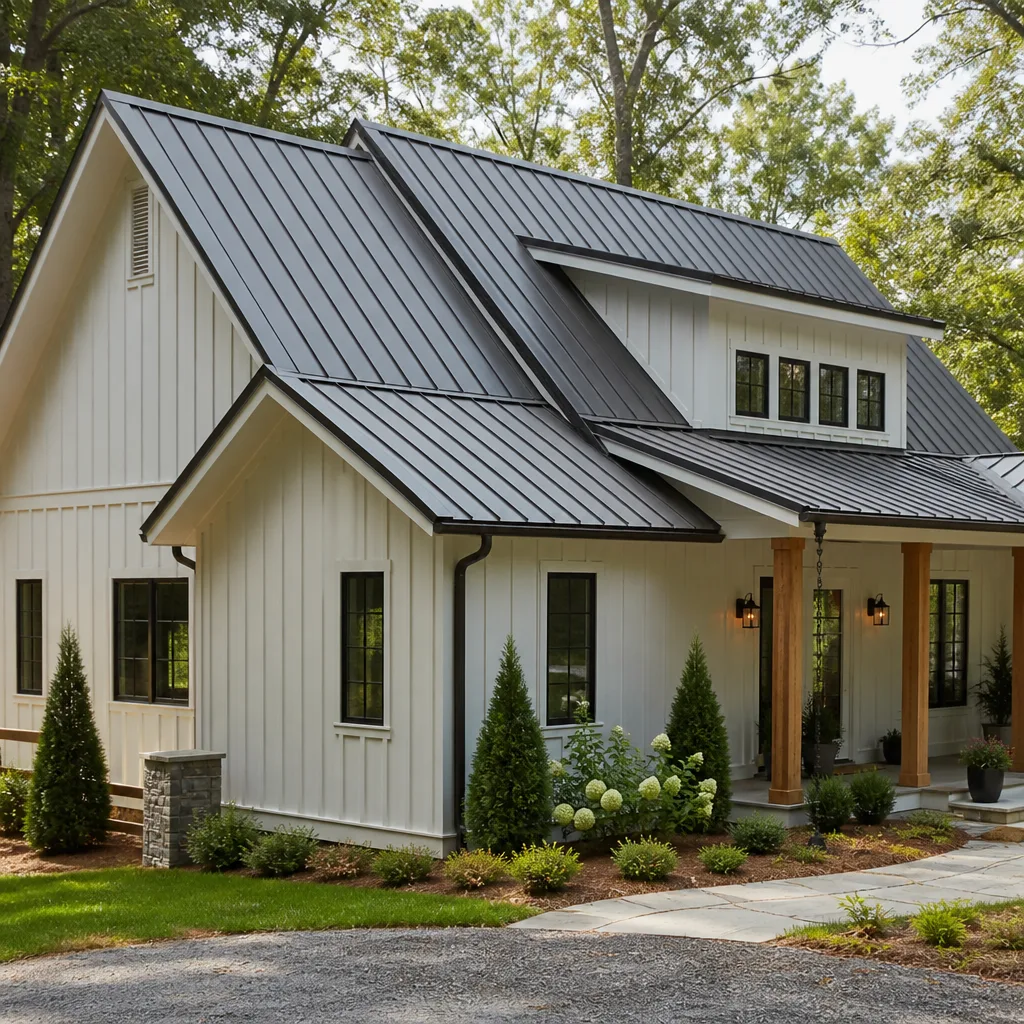 Metal roofing
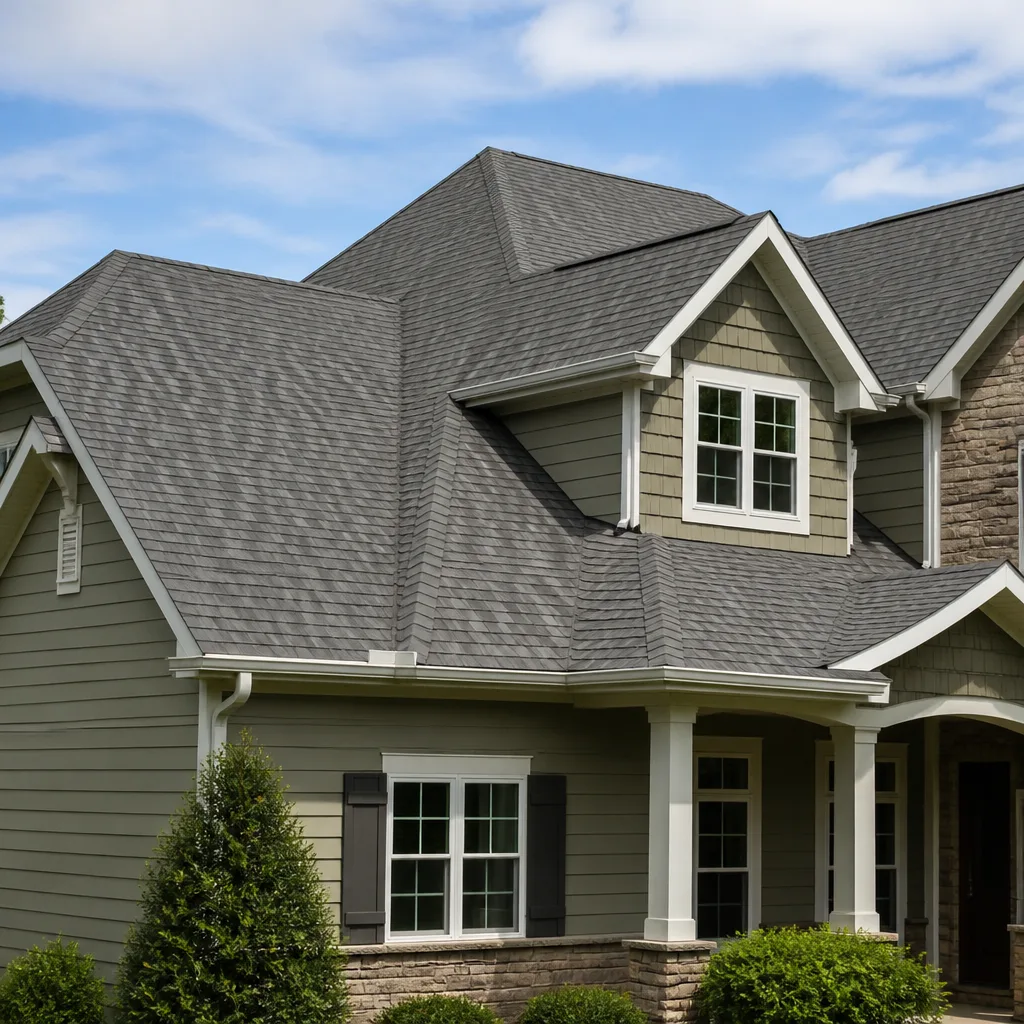 Architectural shingles
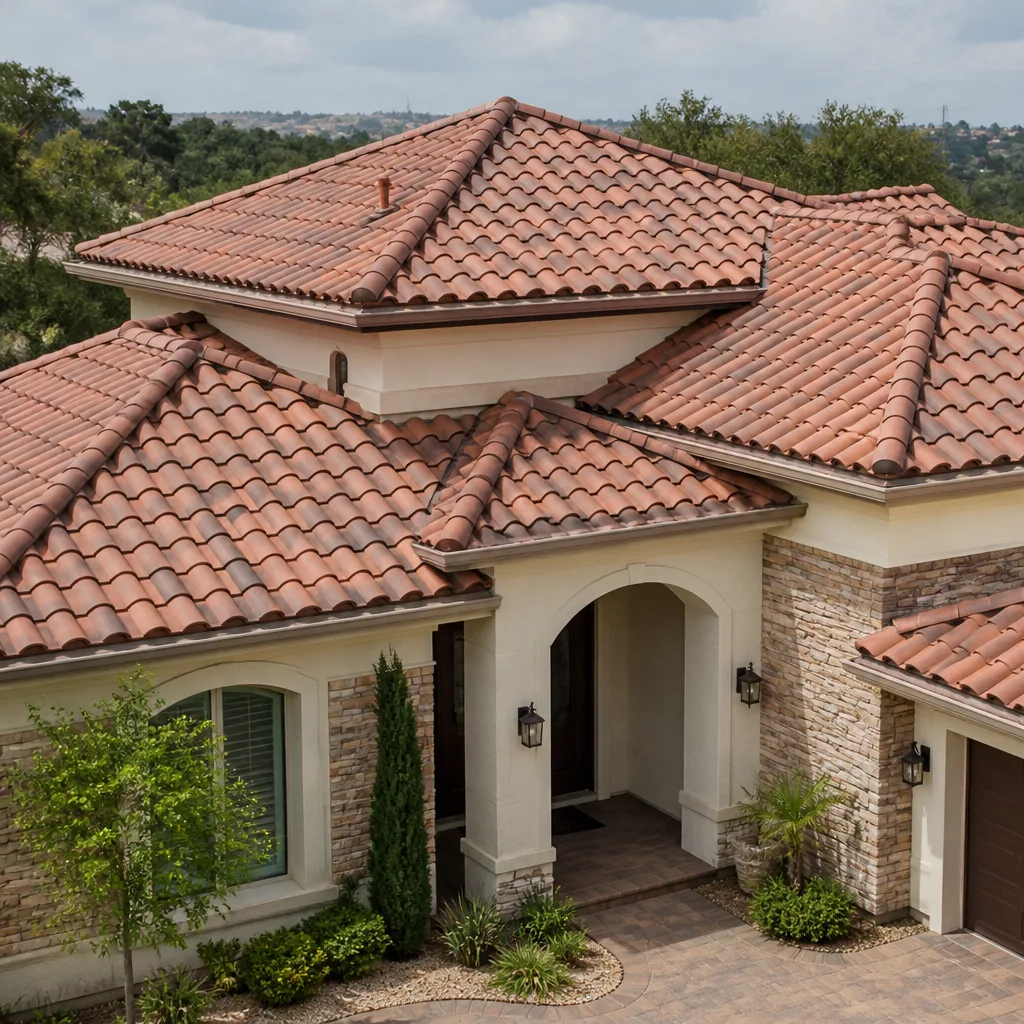 Tile roofing
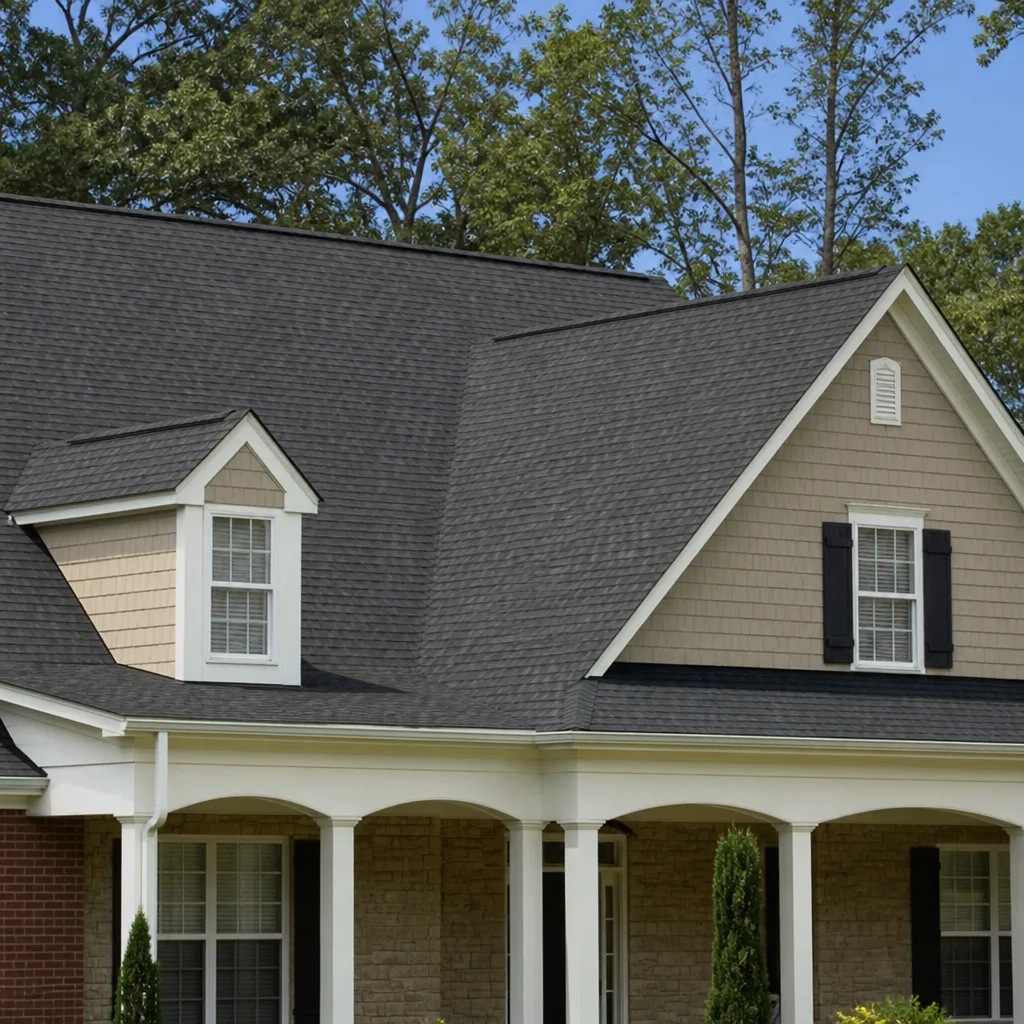 GAF
GAF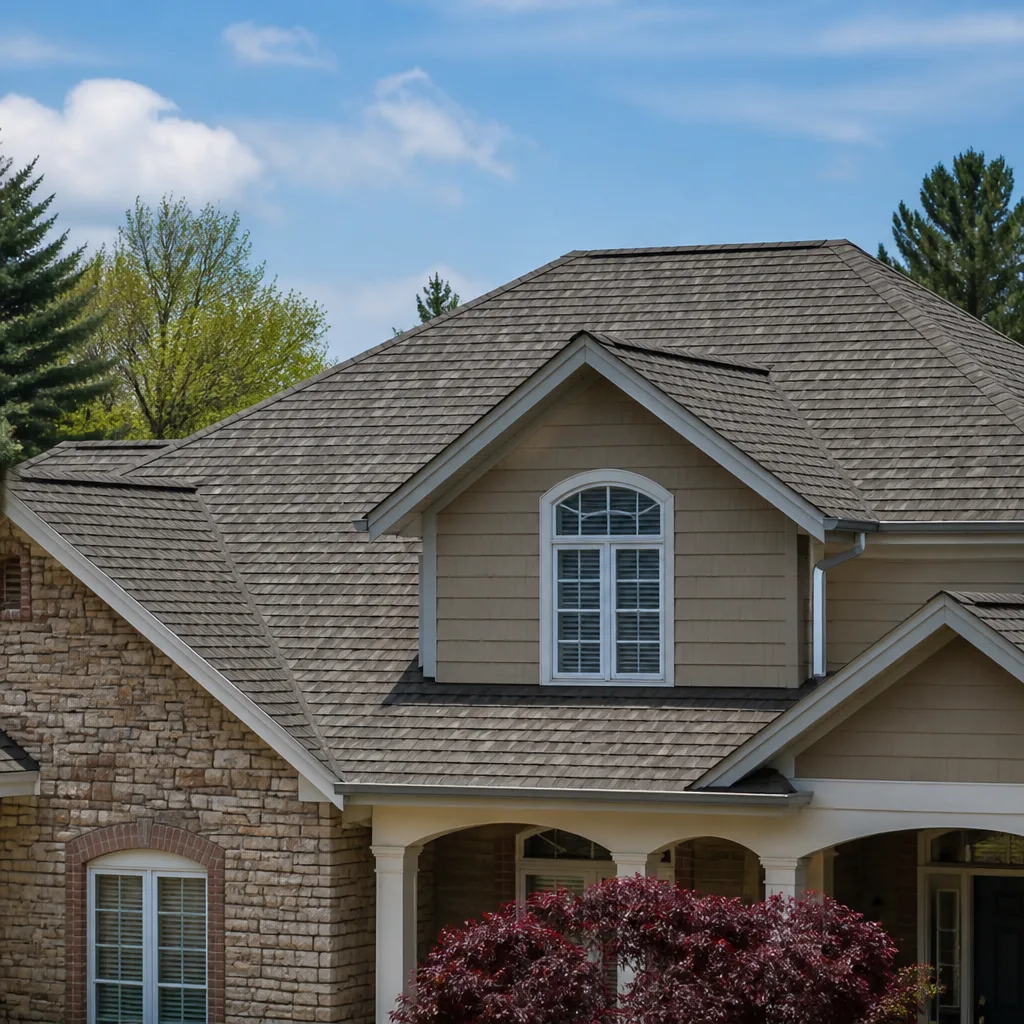 Owens Corning
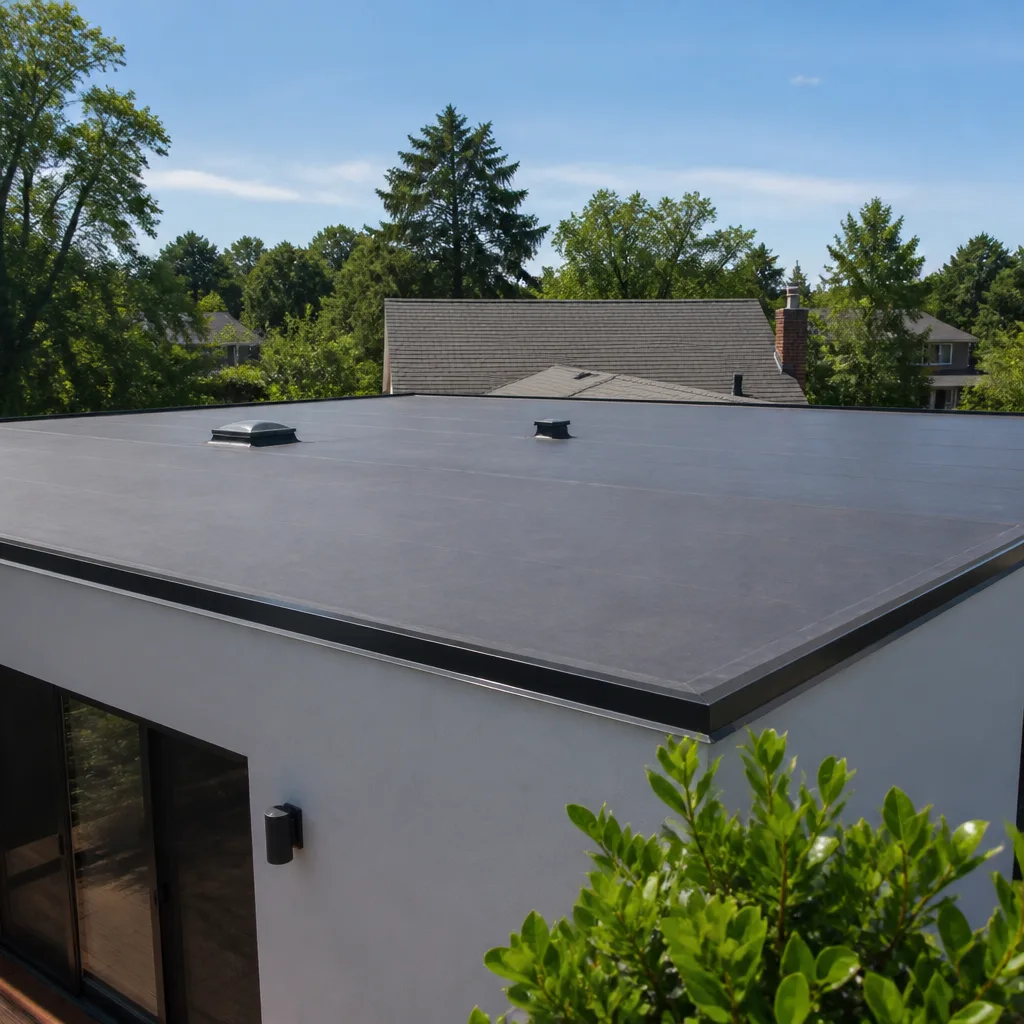 Flat & low-slope
Free roof inspection with deck photos before we talk money - GAF and Owens Corning certified installation
Roofing Cost Breakdown: The Woodland Hills Homeowner’s Reference for 2026
Two Woodland Hills homeowners with nearly identical 2,000-square-foot ranch homes got quotes for the same reroof last spring: $11,400 and $19,800. Neither quote was wrong. They included completely different things, and neither contractor explained the gap until pressed. That information gap costs homeowners thousands every year, and it exists because most roofing quotes bury their assumptions in language only a contractor would recognize. This guide gives you the vocabulary, the benchmark numbers, and the line-item breakdown to evaluate any Woodland Hills roofing quote on its actual merits, and you can find more guides & resources on our blog. By the end, you’ll know exactly what should be in a written estimate, what each component should cost in 2026, and which “extras” are actually code requirements or insurance conditions in disguise.
Styles & brands we work with
Quick Answer
A full reroof in Woodland Hills in 2026 typically costs between $11,000 and $22,000 for a standard 2,000-square-foot home with architectural asphalt shingles, with most homeowners paying around $14,000 to $16,000. The range exists because of legitimate variables: decking condition, underlayment grade, tear-off disposal fees, and permit costs. A written, itemized estimate from a licensed contractor should spell out every one of these line items before work starts.
Table of Contents
- Line-Item Cost Breakdown for a Typical Woodland Hills Reroof
- Why Woodland Hills Labor Runs Higher Than the National Average
- The Hidden Variables That Make Cheap Quotes Balloon
- What a Written, Locked Estimate Should Guarantee
- Material Costs: Asphalt, Tile, and Metal for This Climate
- Permits, Inspections, and Los Angeles County Requirements
- Warranty Registration: What Gets Covered and What Doesn’t
- Common Mistakes to Avoid
- When to Call a Professional
- Frequently Asked Questions
- The Bottom Line
Line-Item Cost Breakdown for a Typical Woodland Hills Reroof
Here’s what a 2,000-square-foot reroof in Woodland Hills actually costs in 2026, broken down the way a reputable contractor should present it. These are real working numbers based on current material pricing and local labor rates, not national averages.
- Tear-off and disposal: $1,800 to $3,500. This covers removing the existing roof down to the decking and hauling the debris to an LA County transfer station. Disposal fees have climbed steadily since 2023, and tile tear-off runs higher because of weight and breakage.
- Decking inspection and repair allowance: $600 to $2,200. Every contractor should inspect the plywood or OSB decking after tear-off. Most written quotes include an allowance of 2 to 4 sheets of replacement decking at roughly $85 to $110 per sheet installed. If more rot appears, the cost rises, which is exactly why the decking allowance needs to be in writing.
- Underlayment: $900 to $1,800. This is the water-resistant layer between the decking and the shingles. Synthetic underlayment runs higher than felt but outperforms it in the Santa Ana wind season. Cheap quotes often spec 15-pound felt, which is legal but does not hold up as well on Woodland Hills hillside exposures.
- Shingle material: $2,400 to $5,500. Architectural asphalt shingles from Owens Corning, CertainTeed, or IKO dominate this market. Class A fire-rated options and heavier designer styles push toward the top of the range. A 30-year architectural shingle is the value point for most homes here.
- Labor: $3,800 to $7,000. This is the crew’s time, and in Woodland Hills it reflects access conditions, roof pitch, and the reality that good roofing teams are not cheap. More on local labor factors below.
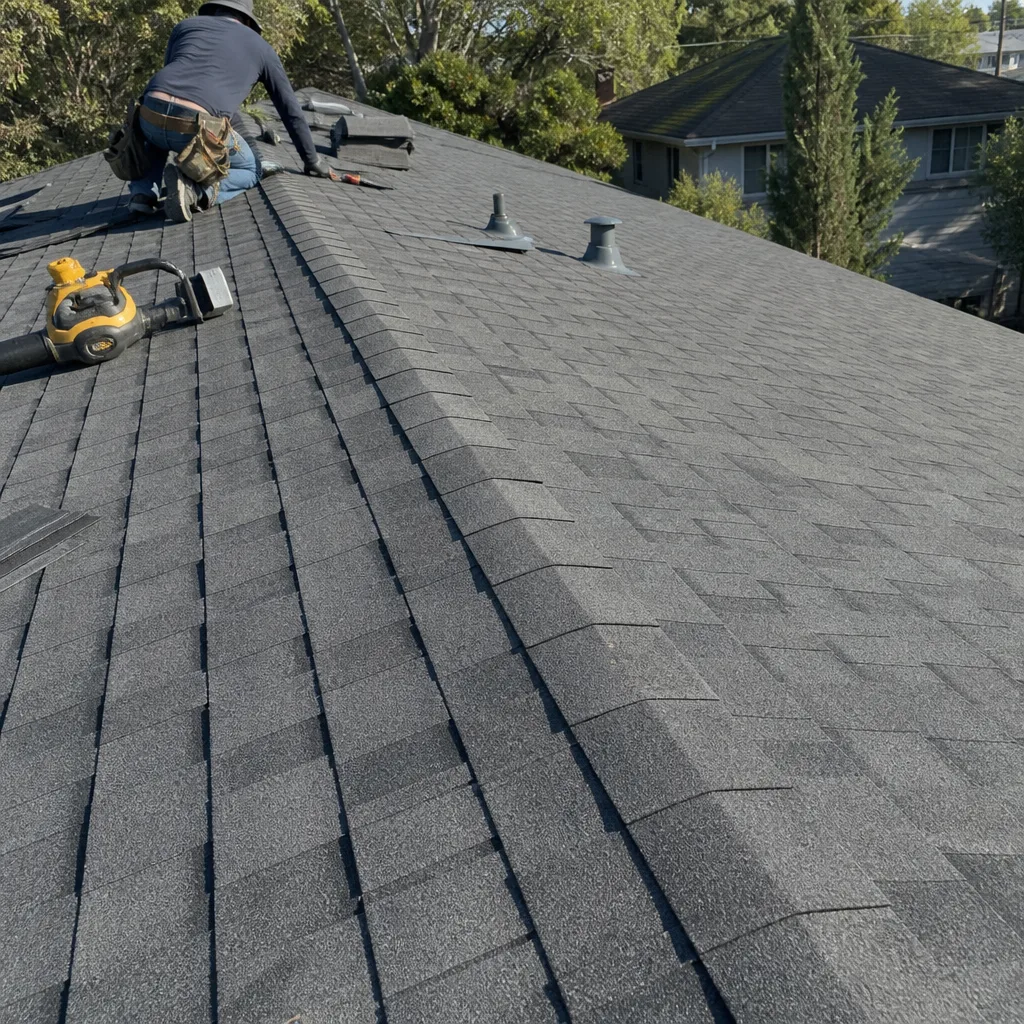
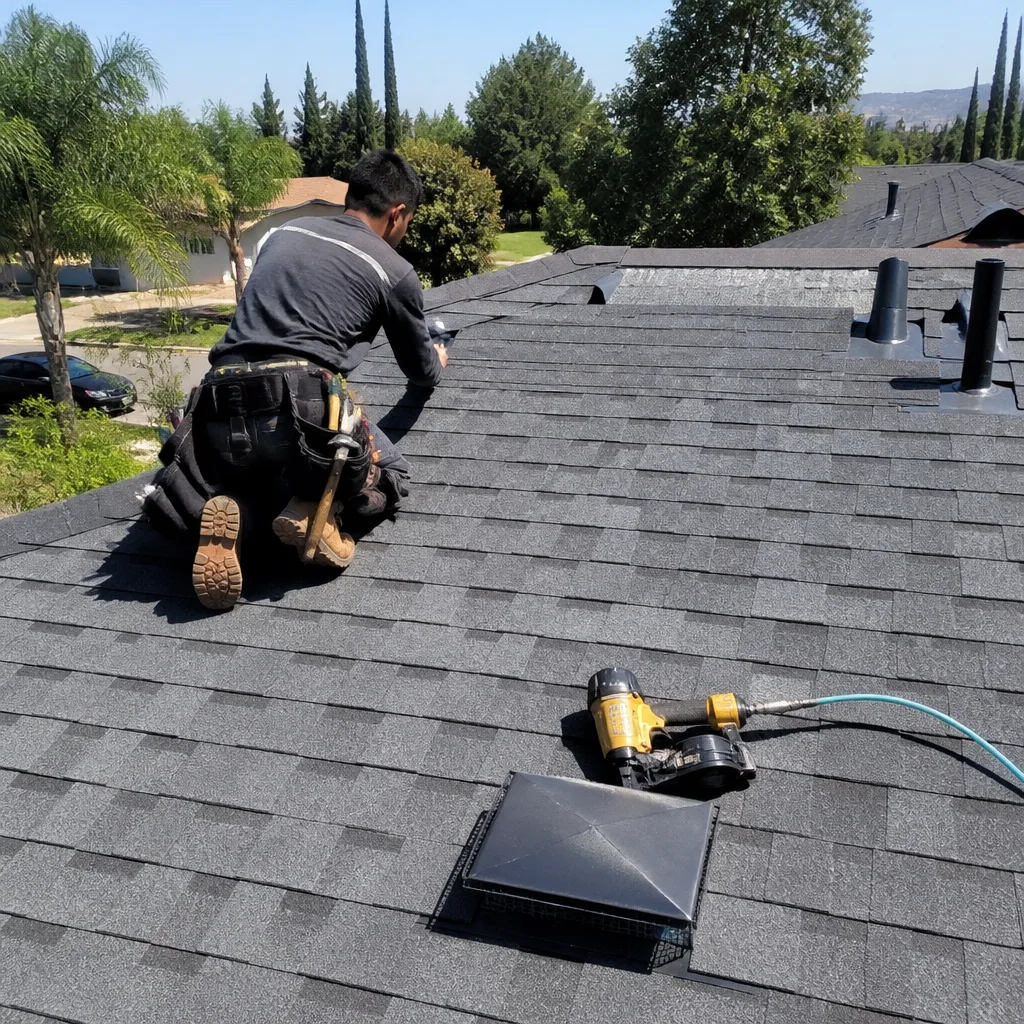
- Flashing and ventilation: $700 to $1,600. Pipe boots, step flashing at walls, valley metal, ridge vents, and intake vents. Code now requires balanced attic ventilation on most reroofs, and older Woodland Hills homes built before the 1990s often need upgrades here.
- Permit and inspection: $450 to $1,100. Los Angeles County and city-level permit fees for a reroof in Woodland Hills depend on project valuation. A legitimate contractor includes this as its own line item, not a vague “administrative fee.”
- Warranty registration: $0 to $450. Manufacturer extended warranties through GAF or CertainTeed require the installing company to be certified and to register the job. Some companies charge a small fee for this; others absorb it.
Add those up and you get a realistic total of roughly $11,600 to $22,700 for a full architectural asphalt reroof. The honest midpoint for a straightforward 2,000-square-foot job in Woodland Hills sits around $15,000 to $16,500. A quote far below that usually means something is missing. A quote far above it should itemize premium materials or unusually difficult access.
This same breakdown applies to repair work, just at a smaller scale. If you’re comparing a full reroof against extensive roof repair in Woodland Hills, ask for the same line-item discipline. A repair estimate should specify exactly what gets replaced, what gets reused, and what the guarantee covers.
Why Woodland Hills Labor Runs Higher Than the National Average
National roofing cost guides will tell you labor averages $2 to $4 per square foot. Woodland Hills runs closer to $3.50 to $5.50 per square foot for competent, licensed crews. The reasons are specific to this area, and they matter when you’re evaluating a quote.
First, hillside access. A surprising number of Woodland Hills homes sit on lots where a truck cannot back up to the roofline. That means hand-carrying shingle bundles, setting up scaffolding on a slope, or running a conveyer up a long driveway. All of that takes man-hours, and man-hours are the largest variable in any roofing bid. A flat lot in the flatlands of the west Valley costs less to roof than a hillside lot north of the Boulevard, even when the roof itself is identical.
Second, disposal fees. Contractors pay by the ton at LA County transfer stations, and those fees have risen faster than general inflation. Tile roofs compound the problem: a tile tear-off produces double to triple the weight of an asphalt tear-off, and the crew has to load it by hand.
Third, licensed contractor overhead is real. California requires roofing contractors to carry workers’ compensation insurance, general liability, and a C-39 roofing license. That is not optional, and it is not free. A contractor who quotes dramatically below market is often either unlicensed, uninsured, or paying crews under the table. When a homeowner in Woodland Hills asks us why our labor number looks higher than a Craigslist quote, the answer is that our number includes insurance that actually covers the people on your roof.
We’ve seen what happens when it doesn’t. A homeowner in the Vista de Oro neighborhood hired a low-bid crew and one of the workers fell from the second story. The homeowner’s policy ended up dealing with the claim because the contractor had no coverage. The savings vanished in a month. That is the real cost of below-market labor.
The Hidden Variables That Make Cheap Quotes Balloon
The $11,400 versus $19,800 gap from the opening of this guide was not random. It was three specific variables, and each one is predictable if you know to look for it.
- Rotten decking found mid-job. The low quote assumed the existing plywood decking was sound. The high quote included a line item called “full decking replacement allowance” at a defined per-sheet price. On 1970s and 1980s Woodland Hills homes, especially those with original shake roofs that were overlayed with asphalt in the 1990s, decking rot is common at valleys, eaves, and anywhere a roof penetration leaked. The rule: if your estimate does not state a per-sheet replacement price in writing, assume the contractor will charge whatever they want when they find rot. Insist on the number before work starts.
- Code-required ventilation upgrades. Los Angeles County building code requires balanced attic ventilation: roughly 1 square foot of net free vent area per 300 square feet of attic floor. Many Woodland Hills homes built in the 1960s and 1970s were constructed with gable vents only, which do not meet current code for a reroof. The low quote assumed no ventilation changes. The high quote included ridge vent and intake vent installation for a full balanced system. It was a legitimate code item, not an upsell.
- Disposal surcharges for material type. An asphalt tear-off produces about 3 tons of debris for a 2,000-square-foot roof. A concrete tile tear-off produces 10 to 14 tons. If your existing roof is tile and a contractor quotes you as if it were asphalt, the disposal line will not survive contact with reality. Woodland Hills has hundreds of homes with original concrete tile from the 1970s, and replacing them costs real money in hauling alone.
None of these three variables is inherently dishonest. What’s dishonest is when a contractor knows the house, knows the code, knows the roof type, and still quotes a number that assumes perfection because it makes the bid look competitive. A written, itemized estimate eliminates that game.
What a Written, Locked Estimate Should Guarantee
There is a meaningful legal difference in California between a “price estimate” and a “binding written contract.” One is a guess. The other is enforceable. Homeowners who understand the distinction make better decisions.
A price estimate is a number on a proposal. It can change. It often does, and the contractor is legally permitted to change it as long as they notify you. The moment the job hits “unforeseen conditions,” the estimate goes out the window and the change order comes out. Some change orders are legitimate; a roof opened up sometimes reveals things no one could see. But some change orders are the business model.
A binding written contract locks the price for the defined scope of work. The key word is defined. A contract that says “reroof per code” is not defined. A contract that says “remove one layer of existing asphalt shingles, install synthetic underlayment, install 24 sheets of new decking at $95 per sheet if needed, install architectural shingles per manufacturer spec, replace all pipe boots and step flashing, haul all debris to a licensed transfer station” is defined. You know exactly what you are buying.
When you call a roofing company in Woodland Hills, ask directly: is this an estimate or a contract? If the answer is anything other than “a written contract with a locked price for the scope we define today,” get a second opinion. The best contractors put the number in writing before any work starts and the number does not move unless the scope changes and you approve it in writing. That is not extraordinary service. That is how the trade is supposed to work.
One more thing: the contract should state the warranty terms in plain English. Not “workmanship guaranteed.” It should say exactly what is covered, for how long, and what happens if something fails. Ours is 365 days: if something is not right within a year, we make it right. That sentence is part of every quote we write, and it has a specific legal meaning. Yours should too.
Material Costs: Asphalt, Tile, and Metal for This Climate
Woodland Hills is a specific climate: hot, dry summers with temperatures that regularly exceed 100 degrees; Santa Ana wind events that can gust to 50 or 60 miles per hour; and the occasional winter storm that dumps an inch of rain on a roof that has been baking for eight months. For a deeper look at protecting your home year-round, see our Seasonal Roofing Care for Woodland Hills: Year-Round Homeowner’s Guide. Material choice is not just aesthetic. It is a durability-to-cost calculation under those conditions.
Architectural Asphalt Shingles: The Value Standard
Material cost runs $120 to $250 per square (a square is 100 square feet), putting installed cost around $5.50 to $8 per square foot. Owens Corning Duration, CertainTeed Landmark, and IKO Cambridge are the three most common lines we install in Woodland Hills. A 30-year architectural shingle gives you 22 to 28 years of realistic service life in this climate, assuming the ventilation is right and the install is solid. It handles the heat reasonably well and meets the Class A fire rating required in Los Angeles County’s wildland-urban interface zones. For most homes, this is the smart money.
Concrete Tile: Long Life, Higher Weight
Material and installed cost runs $14 to $22 per square foot. Tile laughs at the heat and can last 50 years or more. But two things make it expensive in Woodland Hills: the roof structure has to support it (some 1960s ranch homes were not engineered for tile), and the tear-off when it finally goes is the most expensive disposal in the roofing trade. If your home already has tile and you love the look, replacing like-for-like makes sense. If you’re considering tile on a home built for asphalt, get the structure checked first by an engineer, not just by the roofing salesperson.
Cool-Roof-Compliant Metal
Standing seam metal runs $15 to $25 per square foot installed. It lasts 40 to 60 years, reflects a meaningful amount of solar heat, and meets Title 24 cool-roof requirements in California. The downside is cost and the fact that not every crew in the Valley is actually experienced with metal installation. A metal roof is only as good as the lap details and flashing, and metal roofing mistakes do not reveal themselves in year one; they reveal themselves in year eight. If you’re going metal in Woodland Hills, hire someone who does it regularly, not occasionally.
For a deeper look at full replacement timelines and process, see our guide on roof installation in Woodland Hills.
Permits, Inspections, and Los Angeles County Requirements
Every reroof in Woodland Hills requires a permit. This is not a gray area. The city and county both have jurisdiction depending on the exact property, and both require a roof to be permitted and inspected before the final payment is due. A contractor who offers to do the job without a permit is offering you a discount that will become a problem when you sell the house.
Here is what the permitting process actually looks like in 2026:
- Permit application and valuation: The contractor files with the city or county, declaring the project value. Permit fees are calculated from that valuation and typically run $450 to $1,100 for a reroof in Woodland Hills.
- Mid-job inspections: The inspector comes out after tear-off and underlayment installation, and again after final installation. If your contractor is rushing to nail shingles before the first inspection, that is a red flag.
- Final inspection and sign-off: The inspector verifies the roof meets current code, including ventilation and fire-rating requirements. Until this passes, the job is not complete, and you should not pay the final draw.
The permit protects you in ways that go beyond code compliance. A permitted job means the work is on record. When you sell the home, the buyer’s inspector will not flag an unpermitted roof. When you file an insurance claim for storm damage, the carrier will not use an unpermitted roof as a coverage excuse. The permit is cheap insurance, and any contractor who suggests skipping it is not doing you a favor.
Warranty Registration: What Gets Covered and What Doesn’t
Roofing warranties come in two layers, and most homeowners only know about one of them. Understanding both changes how you evaluate a quote.
The manufacturer’s warranty covers the shingles. It is a material warranty: if the shingle fails due to a manufacturing defect, the manufacturer provides replacement material. That’s it. No labor. No decking. And only if the roof was installed by a manufacturer-certified contractor and registered correctly. GAF, CertainTeed, Owens Corning, and IKO all offer enhanced warranties when the contractor meets their training and installation standards. Those enhanced warranties can extend to 50 years and include some labor coverage in the early years, but they require registration, and many contractors never complete the paperwork. Ask for proof of registration after the job.
The contractor’s workmanship warranty covers the installation. Leaks that happen because of bad flashing, improper nailing, or poor attention to detail are the contractor’s responsibility, not the manufacturer’s. In California, the law requires a minimum one-year workmanship warranty on roofing. What separates a good company from an average one is whether the warranty is written down and what it actually says about what happens if the repair fails within the warranty period.
Every repair we perform carries a written guarantee. If the repair fails within 365 days, we return and fix it at no charge. That is not a verbal promise; it is printed on the paperwork you receive before we start. Whatever roofing company you choose, get that sentence in writing. A warranty that only exists in a sales pitch does not exist.
Common Mistakes to Avoid
- Accepting a verbal estimate without line items. A quote that says “reroof: $12,500” with no breakdown tells you nothing. You cannot compare it to anyone else’s bid, and you cannot hold the contractor to any specific scope. Demand the line items.
- Choosing the low bid because it’s the low bid. In Woodland Hills, the labor market is efficient. Contractors know what their crews cost. A bid that is $5,000 lower than the field is low because it excludes something, usually insurance, decking, or disposal. You will pay for it later, one way or another.
- Skipping the permit to save $500. Unpermitted work complicates your insurance if the roof fails and your resale if the buyer’s inspector catches it. The permit fee is the cheapest part of the job and the most protective.
- Not asking about decking before tear-off. Every roof has decking. Some of it is rotten. The only question is what the contractor will charge to replace it when they find it. Get the per-sheet price in writing before the first shingle comes off.
- Assuming the manufacturer’s warranty covers labor. It almost never does, and the enhanced warranties only apply if the contractor registered the job. Verify registration with the manufacturer, not just the contractor’s word.
- Replacing a tile roof with asphalt without checking weight and structure. Tile-to-asphalt conversions are common in Woodland Hills and usually make sense. But the reverse, asphalt-to-tile, can overload a roof structure that was never designed for it. Get an engineer’s sign-off before adding weight.
- Not reading the warranty paragraph in the contract. “Workmanship guaranteed” is not a warranty. Look for a specific duration (365 days, 5 years, 10 years), a specific scope (what is covered), and a specific remedy (what happens if it fails). If those three elements are not there, the warranty is marketing.
When to Call a Professional
Roofing is one of those trades where the risks hide until they are expensive. If you see water stains on a ceiling after a winter storm, if granules are collecting in your gutters, if flashing is lifting at a chimney or skylight, or if you are planning to sell within two years and the roof is over 20 years old, that is the moment to bring someone in. A professional inspection costs less than a serious leak repair, and a repair done early costs far less than a reroof done late. If you are in the Woodland Hills area and want a straightforward written price with no pressure, Mercer Roofing Co Woodland Hills offers free estimates, every time. Call (341) 217-2677 and ask for Grant; we’ll send you a written quote you can actually read.
Frequently Asked Questions
Most Woodland Hills reroofs on a standard 2,000-square-foot home with architectural asphalt shingles run between $11,000 and $22,000, with a typical midpoint around $15,000 to $16,500. The exact number depends on decking condition, tear-off debris, ventilation requirements, and the materials you choose. For a precise written quote on your specific roof, call (341) 217-2677 and we’ll do a full measurement and inspection at no charge.
The gap usually comes down to three things: whether the quote includes a realistic decking replacement allowance, whether it covers code-required ventilation upgrades, and whether the disposal line item accounts for the actual weight of your existing roof material. A contractor who omits all three will quote thousands lower and then issue change orders mid-job. The fix is an itemized written contract, which is the only kind we write.
It should not, if the contract is written correctly. Our written price is locked for the defined scope of work. The only way the number moves is if we open the roof and find conditions no one could reasonably have predicted, like rotted decking under a hidden leak. Even then, the per-sheet decking price is in writing before we start, so you always know exactly what the worst case looks like. Call (341) 217-2677 for a free estimate with that level of clarity.
Yes. Every reroof in Woodland Hills requires a city or county permit and at least one inspection. The permit typically costs $450 to $1,100 based on project valuation. Any contractor who suggests skipping the permit is saving you a small amount of money while creating a larger problem for your insurance and future resale.
A standard asphalt reroof on a 2,000-square-foot home generally takes 2 to 4 working days from tear-off to final inspection, assuming no major decking replacement. Tile and metal roofs typically run 5 to 10 days. Weather delays are rare in the Valley but happen in winter; a good contractor builds that into the schedule rather than making promises the rain will not keep.
We install GAF, CertainTeed, Owens Corning, IKO, Atlas, Tamko, and Boral shingles, and we’ll walk you through the honest tradeoffs between them for your specific roof and budget. When you work with our roof installation team in Woodland Hills, we recommend the shingle that fits your home, not the one with the biggest marketing budget.
The Bottom Line
A Woodland Hills roof costs what it costs, and in 2026 the honest number for a standard architectural asphalt reroof is $11,000 to $22,000, with the spread determined by variables any reputable contractor can explain in writing. The homeowners who get the best outcomes are not the ones who simply gather three quotes and pick the middle. They are the ones who read the line items, ask about decking allowances and ventilation and disposal, and work with a contractor who writes the warranty down in plain English. Roofing is a trade where specificity is a service. The written quote is the product, not the afterthought.
Written by Grant Whitlock, Owner at Mercer Roofing Co Woodland Hills, serving Woodland Hills since 2000.
See the difference
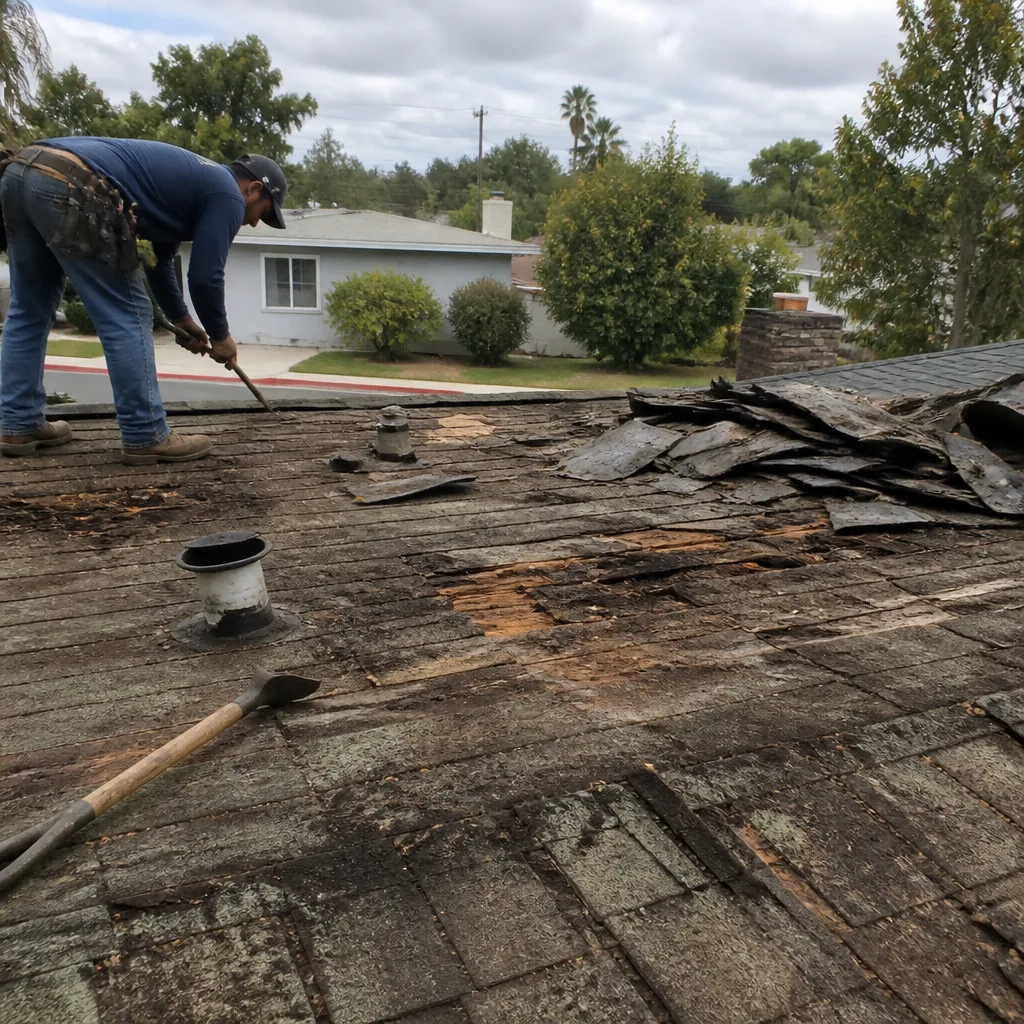 Before
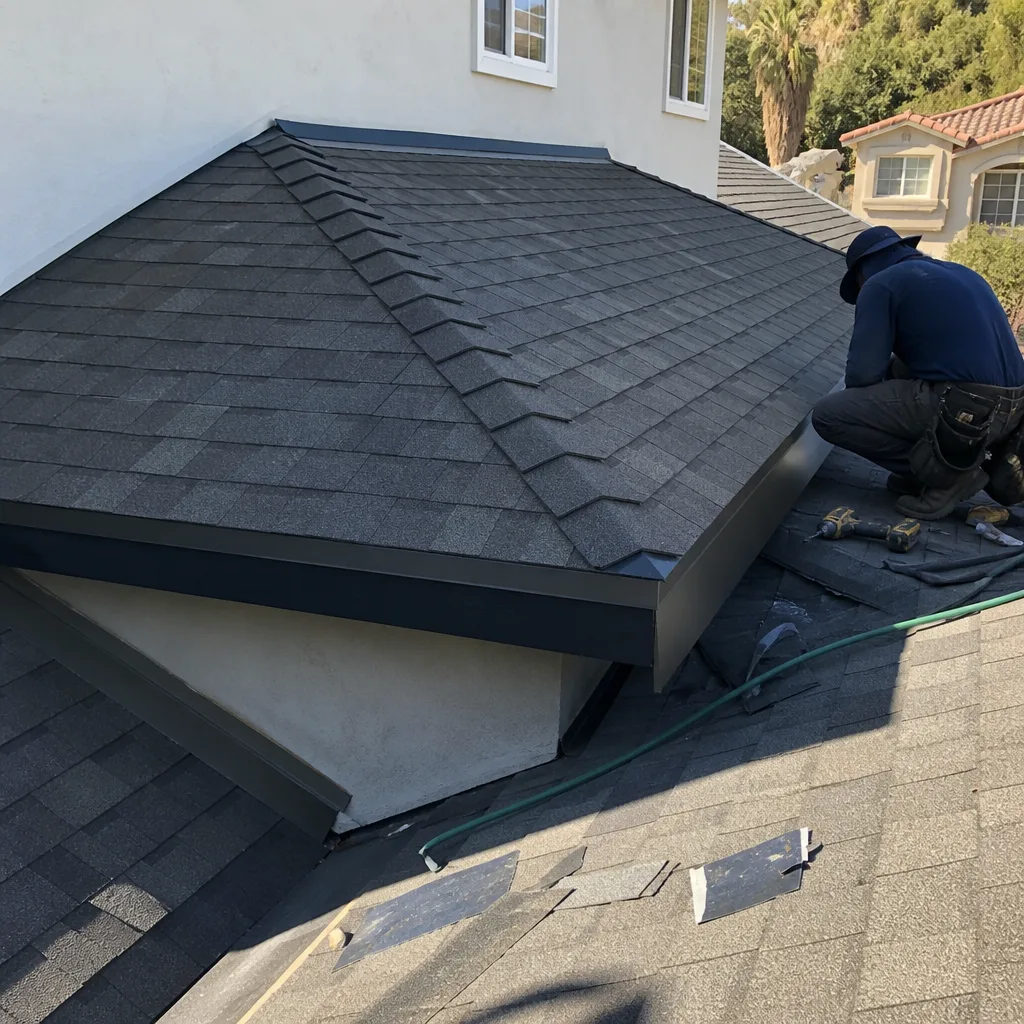 After
After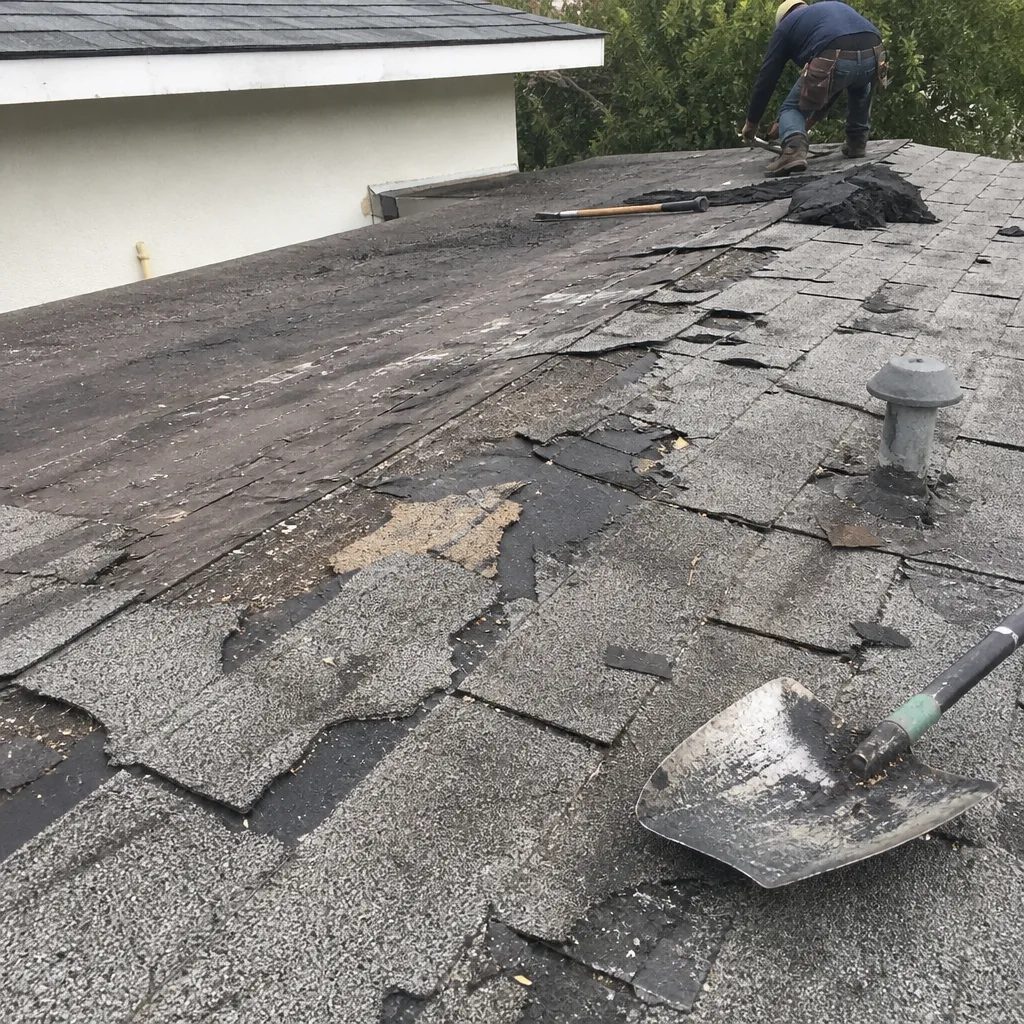 Before
 After
After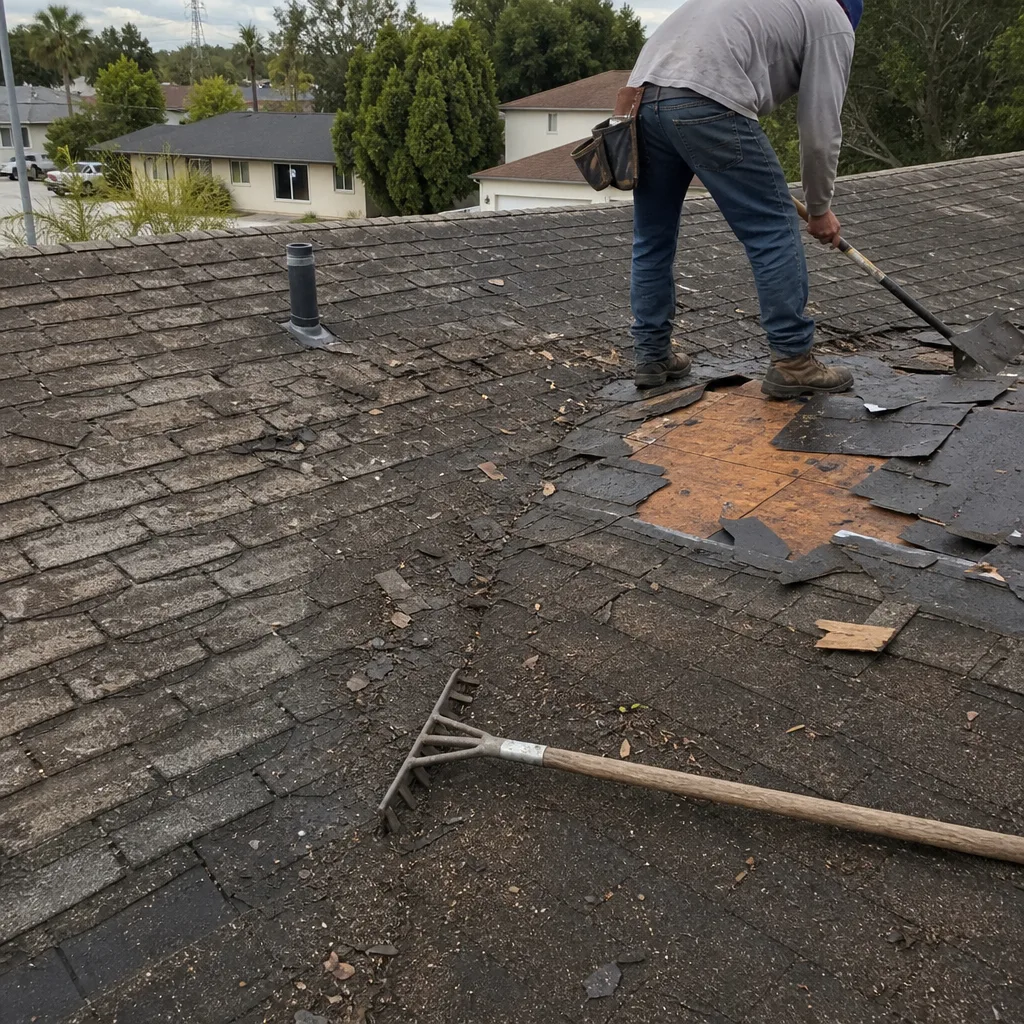 Before
 After
After