
Last updated October 17, 2026
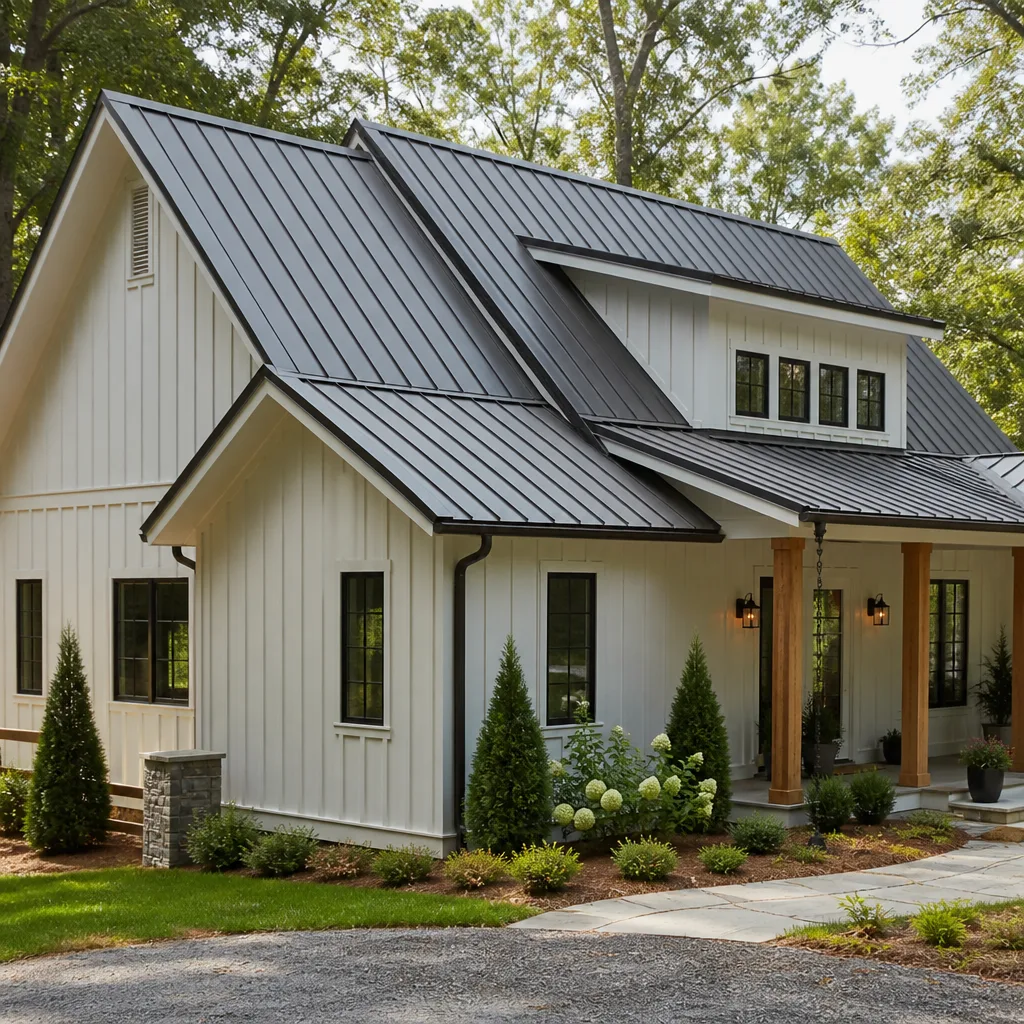 Metal roofing
 Architectural shingles
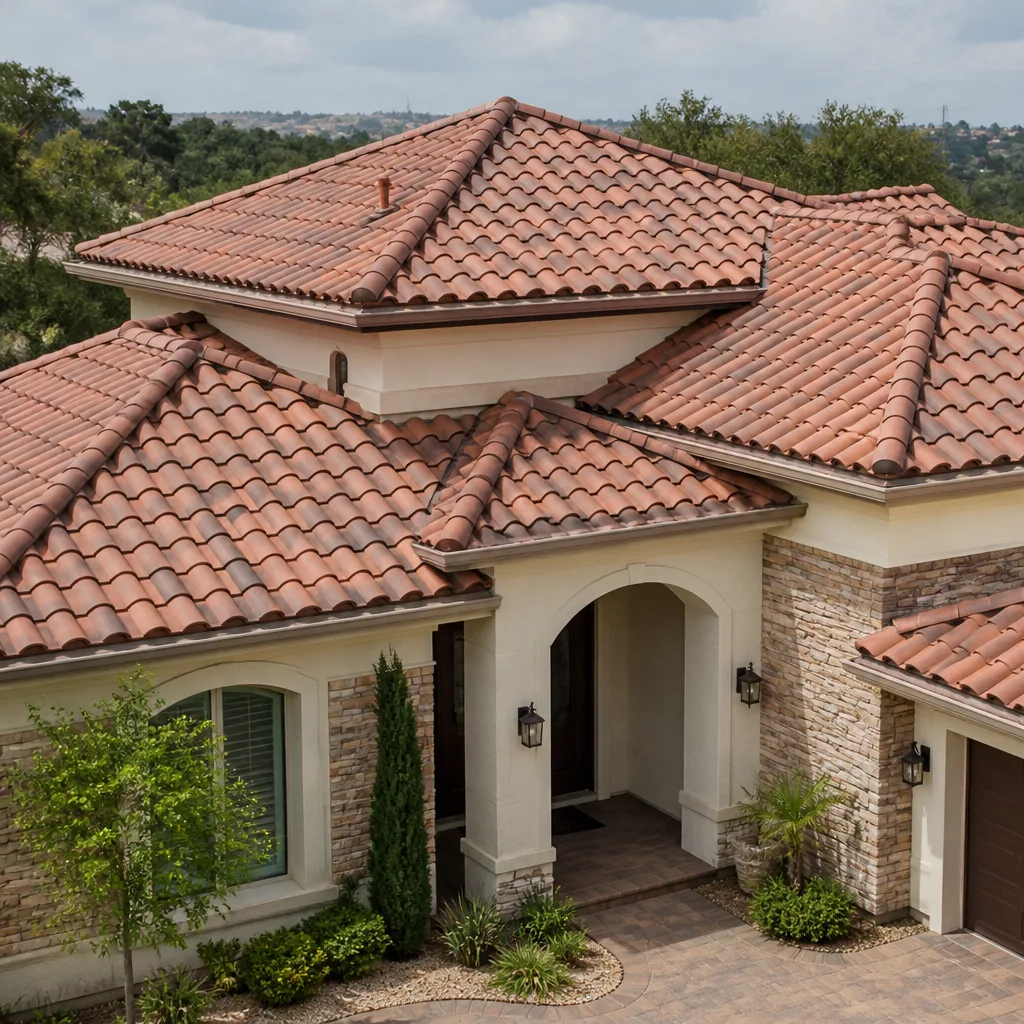 Tile roofing
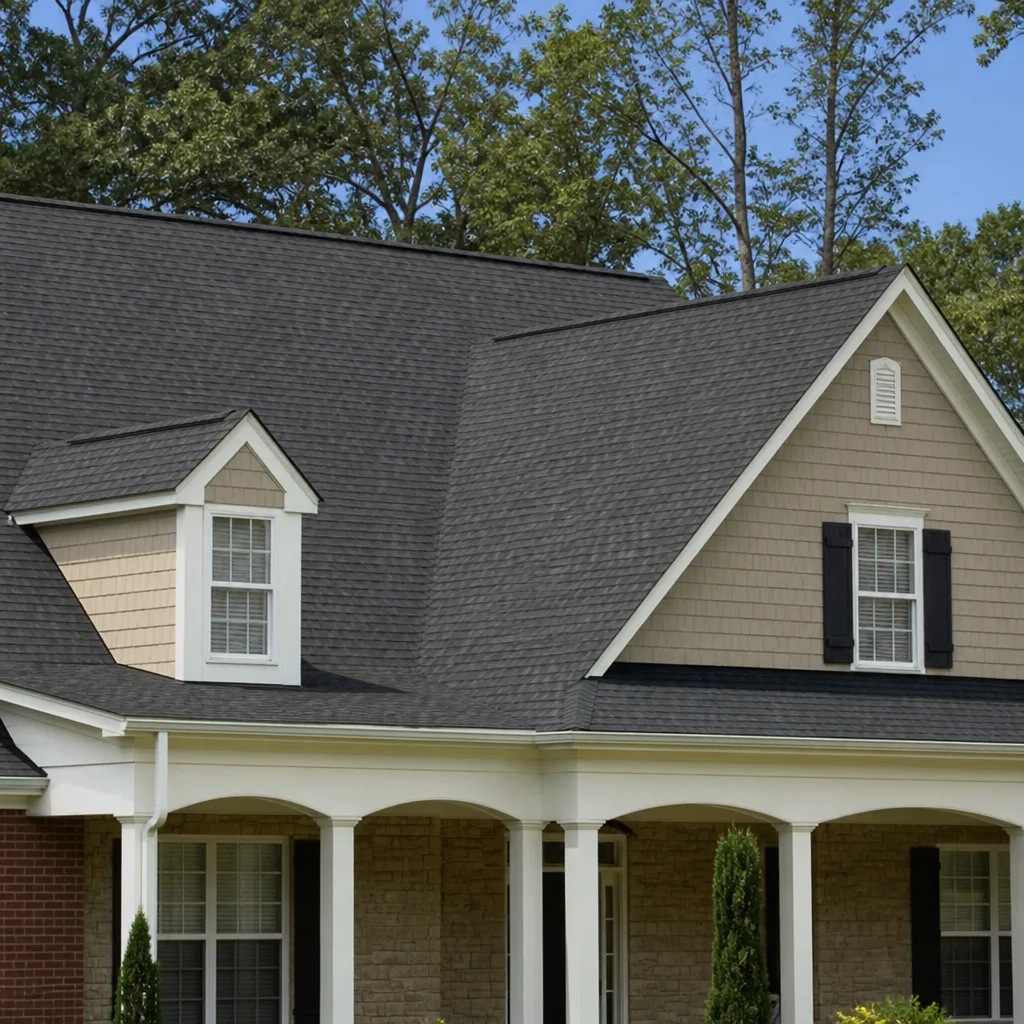 GAF
GAF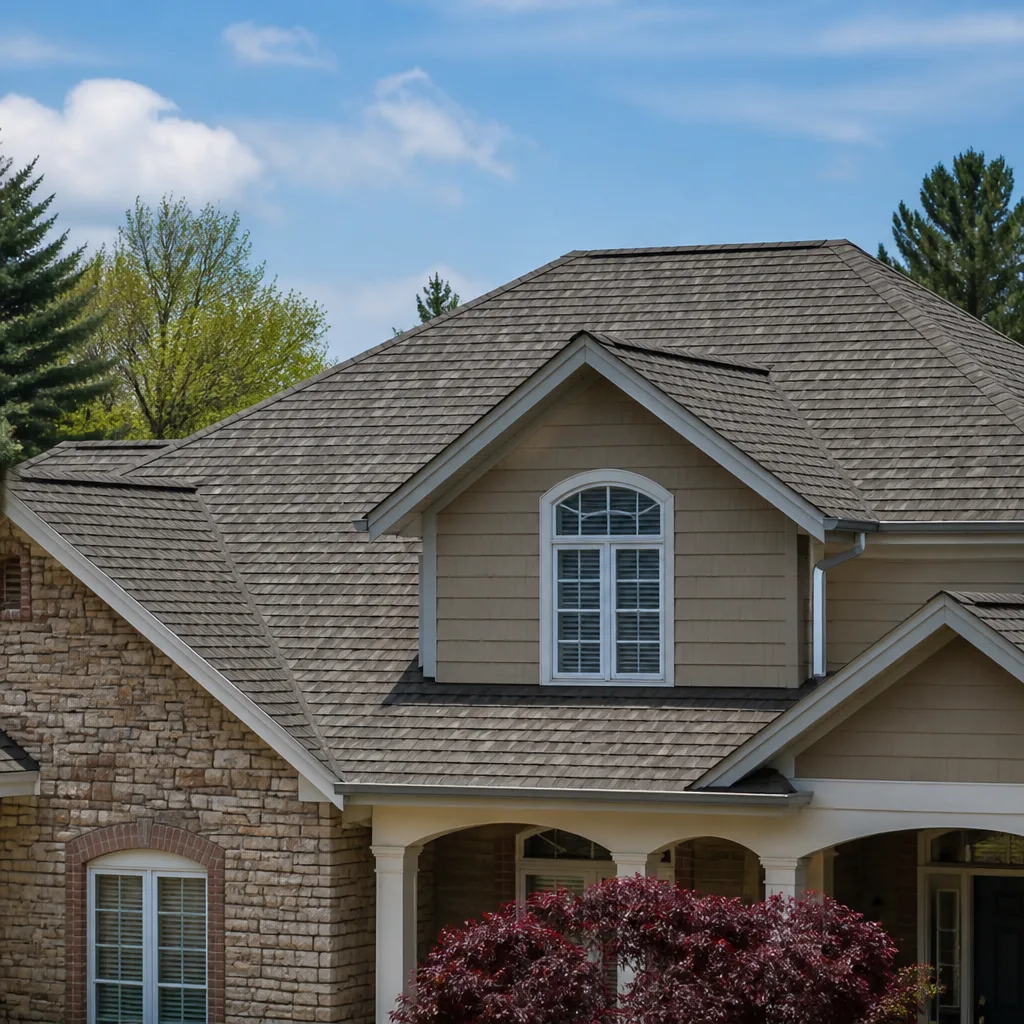 Owens Corning
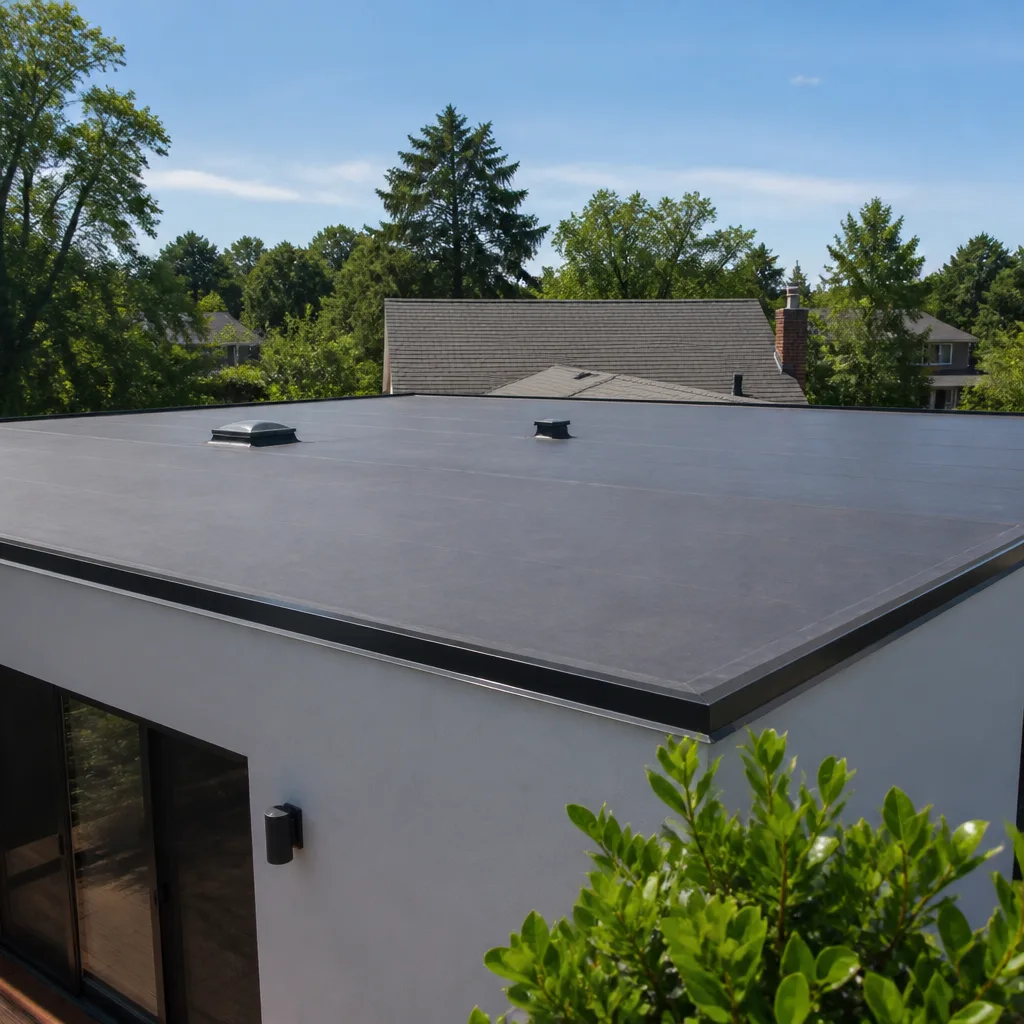 Flat & low-slope
Free roof inspection with deck photos before we talk money - GAF and Owens Corning certified installation
Roofing Warning Signs: A Woodland Hills Homeowner’s Reference Guide
Here’s a fact that surprises most Woodland Hills homeowners: the warning sign that precedes roughly 60% of interior water damage isn’t a missing shingle. It’s a failed pipe boot, a $35 rubber collar where a plumbing vent pokes through the roof. Caught early, it’s a $150 fix. Caught after it’s soaked the plywood sheathing beneath it, that same part becomes a $2,000 repair involving decking replacement, insulation removal, and drywall work on the ceiling below. This guide walks you through the subtle, early signals your roof sends before they become expensive problems, calibrated specifically to the failure modes we see again and again in this climate and housing stock. For a deeper dive, see our Complete Guide to Roofing in Woodland Hills.
Quick Answer
In Woodland Hills, the roof warning signs that matter most are: granule accumulation in gutters during dry months, attic daylight visible through the decking, curling shingle edges on south and west-facing slopes, cracked or lifted pipe boots around plumbing vents, and ceiling stains that appear without rain. Any one of these is worth a professional look within 30 days. Ignored, each has a predictable path toward rot, leaks, and repairs that cost ten times the original fix. For a seasonal maintenance schedule tailored to this climate, see our Seasonal Roofing Care for Woodland Hills: Year-Round Homeowner’s Guide.
Styles & brands we work with
Table of Contents
- The Attic Inspection That Reveals More Than Any Exterior Walk
- Granule Loss: What’s Normal, What’s Accelerated Degradation
- Ridge Cap Cracks: Cosmetic vs. Structural in a Hot Climate
- Interior Warning Signs Beyond the Obvious Ceiling Stain
- Pipe Boots and Flashing: The Small Parts That Cause Big Damage
- What a Professional Roof Assessment Should Actually Contain
- Woodland Hills-Specific Risk Factors: Heat, UV, and Housing Age
- Common Mistakes to Avoid
The Attic Inspection That Reveals More Than Any Exterior Walk
Most homeowners judge their roof by standing in the driveway and looking up. That’s backwards. The most accurate picture of roof health comes from inside the attic, and a ten-minute inspection tells you more than an hour of circling the house with binoculars. Here’s what we look for when we evaluate a roof in Woodland Hills, and what each finding means.
Start on a sunny day, preferably mid-morning when light is strongest. Turn off any attic light and let your eyes adjust for two minutes. The first thing to look for is daylight. Run your eyes along every seam where the roof decking meets the rafters. In a healthy roof, the attic should be dark except for vent openings. If you see pinpoints of light through the decking, you’re looking at either a nail hole that’s opened up or a small gap in the plywood. One pinhole is not urgent. A cluster of them suggests the decking is deteriorating.
Second, examine the underside of the roof decking for staining. Dark, irregular blotches on the plywood mean water has been sitting there long enough to discolor the wood. The pattern matters. A single narrow stain running down a rafter usually traces to one specific leak point, often a nail or a pipe boot. Broad, mottled staining across a wide area points to a ventilation problem: warm, humid air is rising into the attic, hitting the cool underside of the sheathing, and condensing. That’s not a roof leak. That’s an attic ventilation deficiency, and it’s common in Woodland Hills homes built before continuous ridge venting became standard practice.
What to Look For: A Ten-Minute Attic Checklist
- Daylight test: Dark attic, eyes adjusted. Look for light pinpoints through the decking. Note the location and cluster density.
- Decking stain check: Dark blotches on plywood. Trace the pattern to distinguish point leaks from condensation.
- Insulation condition: Compressed, damp, or mold-dotted insulation retains moisture. Dry, fluffy insulation indicates proper ventilation.
- Rafter cracks: Look for splits along the grain, especially near the ridge. Thermal expansion causes this over time in hot-climate attics.
- Fastener rust: Rusted nail points protruding through the decking signal persistent moisture in the attic air.
If you find any of these, call a professional for a closer look. Mercer Roofing Co Woodland Hills performs attic evaluations as part of every free estimate, because it’s where the real diagnosis happens. Wondering whether to inspect it yourself or call in a pro? Our DIY vs Professional Roofing: The Woodland Hills Homeowner’s Decision Guide breaks down when each approach makes sense.
Granule Loss: What’s Normal, What’s Accelerated Degradation
Asphalt shingles shed granules their entire life. Run your hand down a new shingle and a few granules will come off. That’s normal. The question is whether the rate of loss has crossed from normal wear into accelerated degradation, and in Woodland Hills, heat plays a determining role.
Granules serve two jobs. They protect the asphalt substrate from ultraviolet radiation, and they provide the shingle’s fire rating. When UV hits bare asphalt, it causes the asphalt to become brittle and crack. The granules are the sunscreen. In Woodland Hills, with our long, hot summer season and frequent temperature swings between hot days and cool nights, thermal cycling accelerates granule bond failure. Shingles on south and west-facing slopes lose granules faster than north-facing slopes on the same roof.
The practical test: check your gutters in August, when it hasn’t rained for months. If you find a quarter-inch of granules piled in the gutter bottom, that’s normal. If the granules are a half-inch deep and you see bare asphalt patches on the shingles themselves, you’re looking at accelerated degradation. A shingle that has lost its granule layer in patches, revealing shiny black asphalt beneath, has maybe two to three years of functional life left.
Granule Loss Severity Reference
- Light shedding (normal): Scattered granules in gutters, no bare asphalt visible. Roof has years of life remaining.
- Moderate (monitor): Granule accumulation heavy enough to cover the gutter bottom, small bare patches appearing on shingle edges. Roof likely has 3-7 years, but inspections should be annual.
- Severe (replace): Bare asphalt visible across significant shingle areas, granules washing down downspouts during summer watering. Roof has reached functional end of life.
Brands like Owens Corning and Atlas have improved granule adhesion in recent product lines, but no shingle is immune to Woodland Hills UV exposure. If you’re at the severe stage, our Roof Installation in Woodland Hills guide covers replacement options. For a full evaluation of whether your roof has repair needs or has reached end of life, see Roof Repair in Woodland Hills.
Ridge Cap Cracks: Cosmetic vs. Structural in a Hot Climate
Ridge failures are disproportionately common in Woodland Hills for one reason: thermal expansion. The ridge cap sits at the highest point of the roof, fully exposed to sun from sunrise to sunset. In July, roof surface temperatures in the San Fernando Valley regularly exceed 150 degrees. At night, temperatures drop into the 60s. That daily cycle of expansion and contraction puts constant mechanical stress on ridge cap shingles, which bend over the ridge peak at an angle, creating a natural stress point at the apex.
A cosmetic crack in a ridge cap looks like a hairline split in the granule surface running along the peak. It’s superficial, affects only the top layer, and doesn’t compromise waterproofing. A structural crack goes through the shingle’s reinforcement mat. It’s wider, you can see daylight through it from the attic in some cases, and it will allow water entry during wind-driven rain.
Here’s the distinction that matters: if you can see the crack but the shingle hasn’t separated along the crack line, you’re likely looking at a surface condition. If the two sides of the crack have moved independently, creating a gap, that’s structural. Given how common thermal-related ridge failures are here, we recommend having ridge caps inspected during any roof maintenance visit, and after any extended heat wave.
The good news: ridge cap replacement is one of the least expensive roof repairs, typically done with 3-tab shingles cut into thirds or purpose-made ridge cap shingles. It’s a job measured in hours, not days.
Interior Warning Signs Beyond the Obvious Ceiling Stain
Ceiling stains are the warning sign everyone knows about. By the time a ceiling stain appears, water has already penetrated the roof, saturated the insulation above it, and wicked into the drywall. The damage is done. The earlier signals show up in places most homeowners never think to look.
Paint bubbling at exterior wall tops: Water entering at the roof edge often travels between the wall sheathing and the interior drywall before it ever reaches the ceiling. If you see paint bubbles or small blisters forming at the top of an exterior wall, near the ceiling line, check that wall’s location against the roof’s edge. Walls under eaves or at the low end of a sloped roof are the usual suspects.
Musty attic smell in dry weather: Most homeowners assume attic mustiness is seasonal, tied to rain. In Woodland Hills, where rain is rare, the smell of damp wood in an attic during July or August means trapped moisture is not drying out. That moisture either came from a leak or from condensation caused by inadequate attic ventilation. Either way, it’s a problem that will grow.
HVAC condensation that isn’t from the unit: Homeowners often blame their air conditioning when they find wet insulation near the unit in the attic. Sometimes the HVAC is the culprit, and a condensate drain has clogged. But check the framing around the area. If the wet insulation extends beyond the unit’s footprint, or if you find water on the attic floor in areas the unit doesn’t touch, start looking upward. A roof leak that follows a rafter can drip far from its entry point.
Bowed or sagging roof lines: From the street, look along the roof’s edge. A straight edge should stay straight. If a section of roof line dips between rafters, water damage has likely compromised the decking’s strength. In Woodland Hills, where many homes were built in the 1970s and 1980s, original plywood decking is reaching the age where moisture exposure becomes increasingly consequential.
Pipe Boots and Flashing: The Small Parts That Cause Big Damage
Here’s the hierarchy of roof leak causes in Woodland Hills, based on years of service calls in this area. Missing shingles are rarely the cause. Failed flashing is nearly always the cause. The most vulnerable component on any roof is the pipe boot, a rubber or neoprene collar that seals the gap where a plumbing vent pipe exits through the roof deck.
Rubber deteriorates under UV exposure. In Woodland Hills, where the sun is relentless from May through October, pipe boots crack and split faster than they would in coastal climates. Many homes in this area still have original boots installed at construction. A 1978 pipe boot has been baking in the San Fernando Valley sun for over four decades. When it finally splits, water runs down the outside of the vent pipe, directly through the roof decking, and into whatever lies below.
The same principle applies to metal flashing at chimneys, skylights, and wall-to-roof intersections. Flashing is sheet metal, usually aluminum or galvanized steel, bent to direct water away from roof penetrations. Over time, thermal expansion causes flashing to pull away from sealants, nails to back out, and metal to fatigue at bend points. A lifted flashing edge creates a lip that catches wind-driven water and channels it under the shingles.
Flashing Failure Warning Signs
- Rubber pipe boots cracked, split, or visibly deteriorated around the pipe’s base
- Caulk or sealant around flashing edges that has dried, shrunk, and separated from the metal
- Rusted or corroded flashing surfaces, especially at the low end where water pools
- Nail heads visible above the shingle surface around flashing areas
- Gaps between flashing and the roof surface that weren’t present when the roof was installed
When we install a roof in Woodland Hills, we replace every boot and all exposed flashing with new materials. On existing roofs, we check boots as part of every repair visit because they’re cheap insurance against a four-figure consequence.
What a Professional Roof Assessment Should Actually Contain
If a contractor walks your roof for ten minutes and tells you it needs $15,000 in work, but hands you nothing on paper, you don’t have a recommendation. You have a sales pitch. A legitimate roof assessment is a document, and it should contain specific, verifiable information that lets you make an informed decision.
The report should include:
- Photographs of every problem area: Not from the ground. From the roof surface, with enough context that you can locate the area yourself. Each photo should be labeled.
- A specific description of each problem: “Missing shingles at northeast slope, approximately 6 shingles” is a finding. “General wear and tear” is not.
- A repair or replacement recommendation per problem: Each issue should list what action is recommended and why. Multiple options where they exist.
- Written pricing for the recommended scope: The price should match the documented scope. If the verbal price doesn’t match the written price, ask why.
- A timeline: How long the repair or replacement will take, and when it can be scheduled.
- Warranty and guarantee terms in writing: What is covered, for how long, and what happens if the repair fails.
Any assessment delivered verbally without documentation shouldn’t drive a major spending decision. At Mercer Roofing Co Woodland Hills, every evaluation includes a written report with photos and a written price before any work begins. That’s how our customers make confident decisions.
Woodland Hills-Specific Risk Factors: Heat, UV, and Housing Age
Woodland Hills sits in the western San Fernando Valley, where summer temperatures are among the highest in Los Angeles County. Roofing materials here endure conditions that differ meaningfully from coastal neighborhoods just fifteen miles away. Our clients in neighborhoods like Walnut Acres, Vista de Oro, and College Acres all face the same set of environmental stressors, though roof ages and architectural styles vary by tract.
The most significant local factors:
- Peak roof surface temperatures exceeding 150 degrees: Asphalt shingles are rated for high-temperature performance, but sustained heat accelerates aging regardless of brand. Shingle life expectancy in Woodland Hills typically runs 15-20 years, not the 25-30 years often cited by manufacturers for temperate climates.
- Intense UV exposure: The Valley’s clear, dry air offers little filtering of ultraviolet radiation. UV is the primary driver of asphalt shingle embrittlement and granule bond failure.
- Thermal cycling: Day-night temperature swings of 30-40 degrees, common between July and September, stress every component of the roof system including decking, fasteners, flashing, and sealants.
- Housing age: Much of Woodland Hills was developed between the 1960s and 1980s. Homes from this era may have original decking that has never been exposed to prolonged moisture, or conversely, may have developed slow leaks that have been degrading plywood for years unnoticed.
- Santa Ana winds: Autumn wind events place unique stress on shingle edges, ridge caps, and any flashing with a slight lift. Wind-driven rain during Santa Ana-adjacent storms penetrates openings that never leak in calm conditions.
These conditions are why we recommend an annual roof check even when nothing looks wrong from the street. It’s also why the brands we work with, including CertainTeed and Owens Corning, offer product lines specifically formulated for high-temperature climates. Speaking of which, our Mercer Roofing Co Woodland Hills home page covers our service area and full capabilities.
See the difference
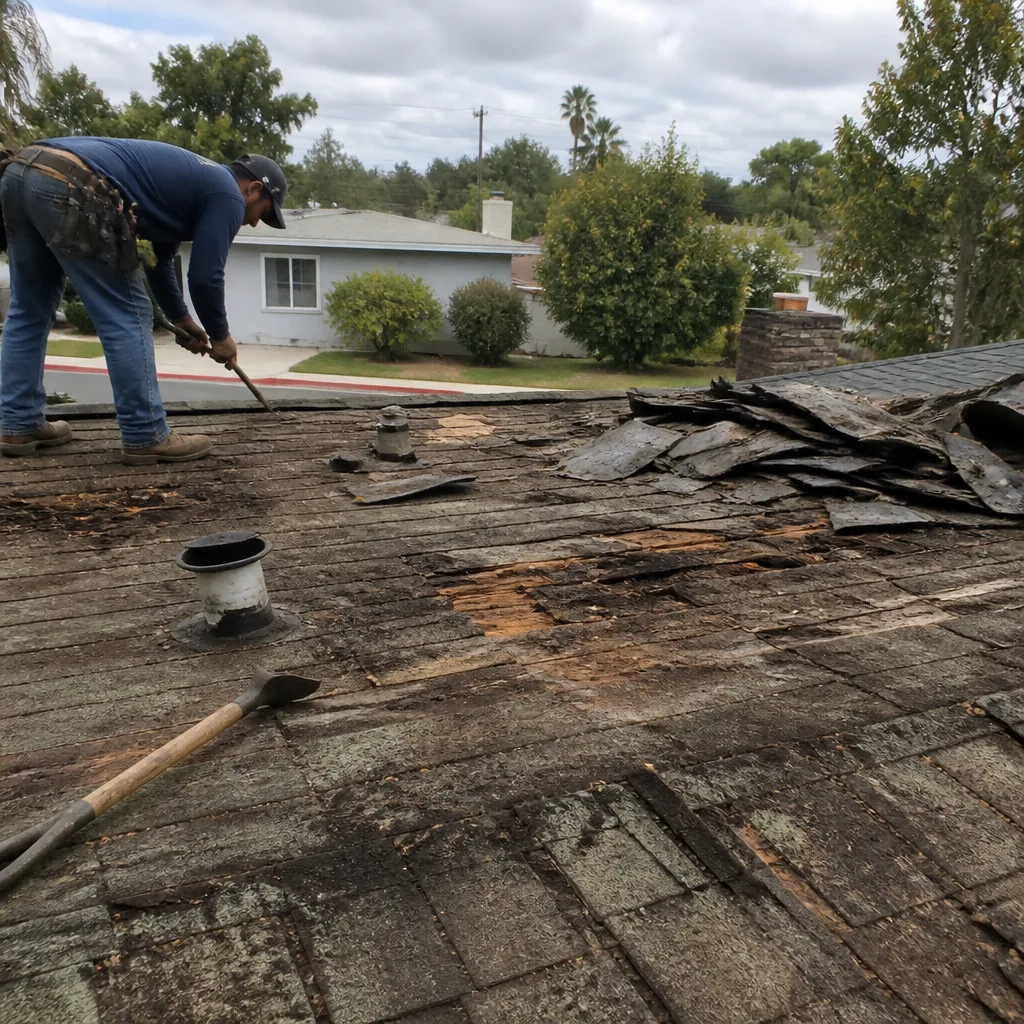 Before
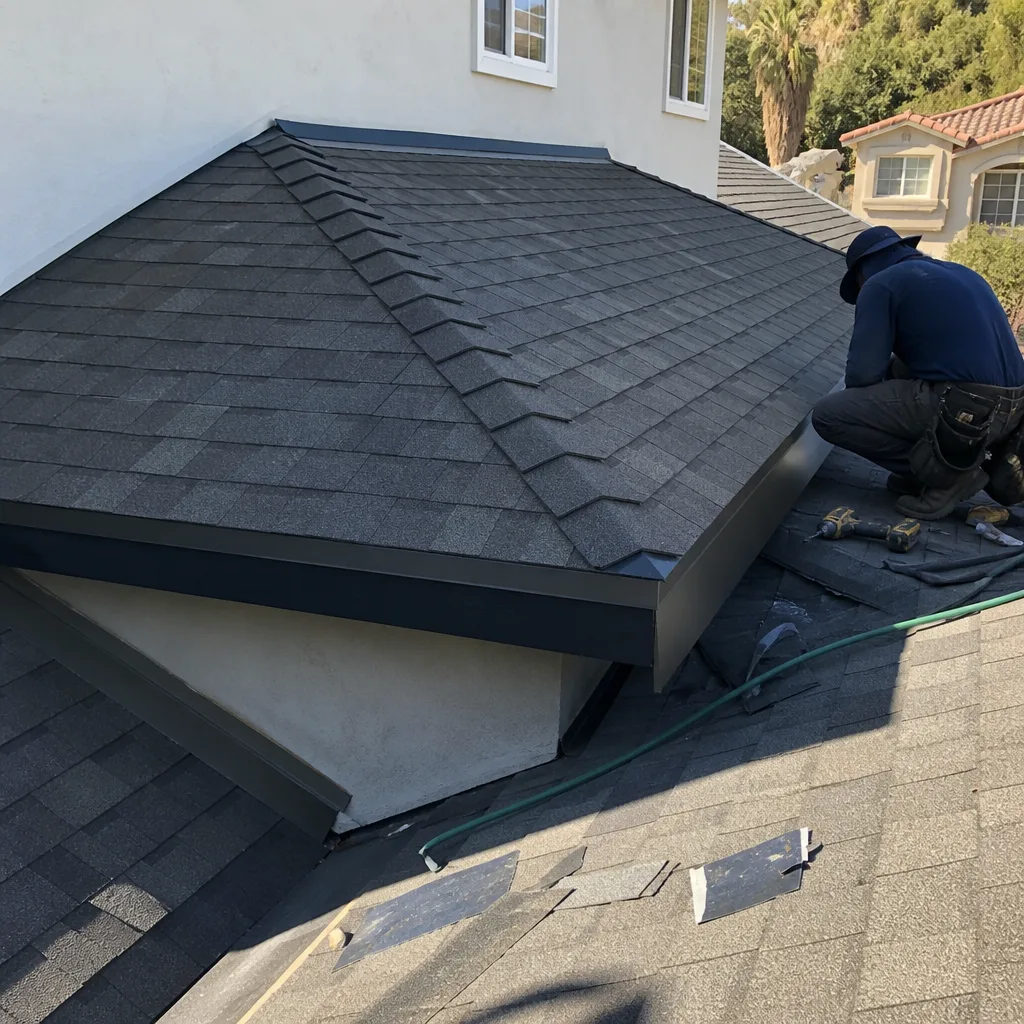 After
After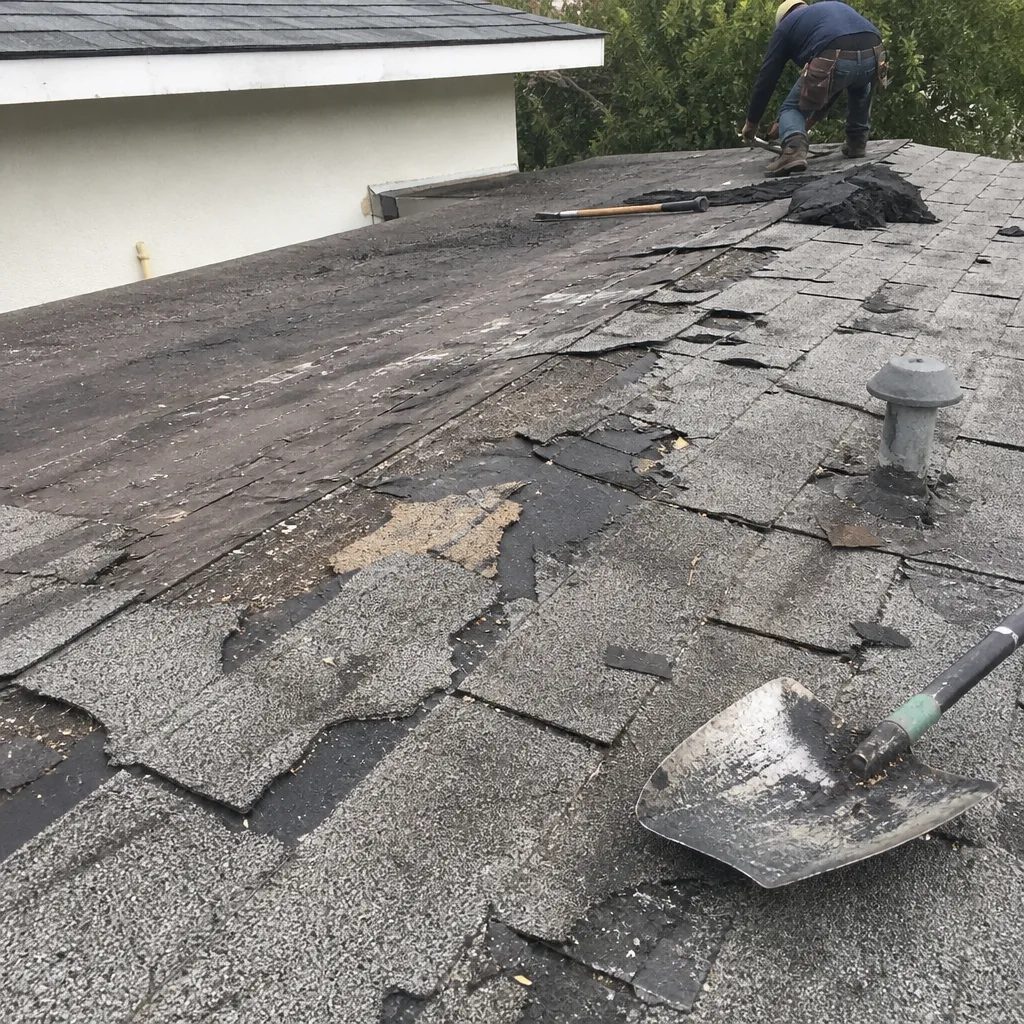 Before
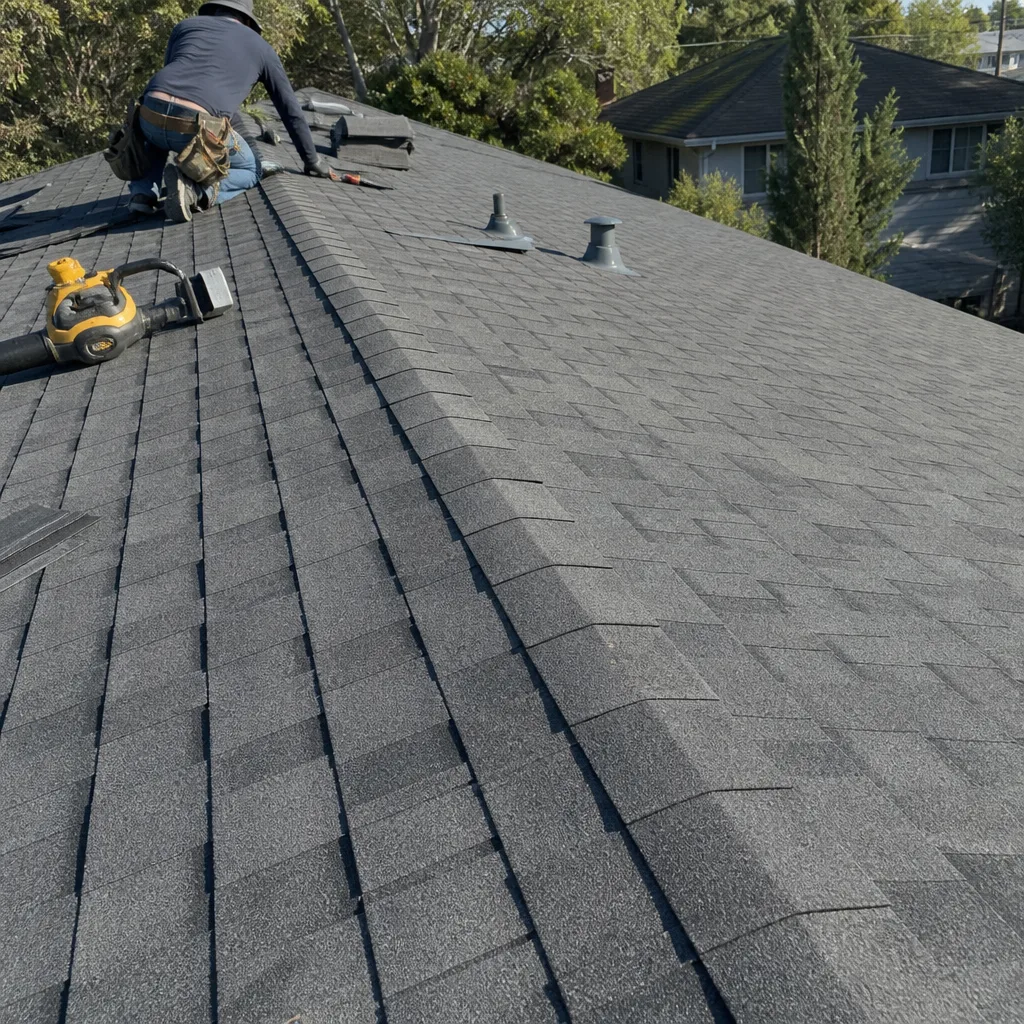 After
After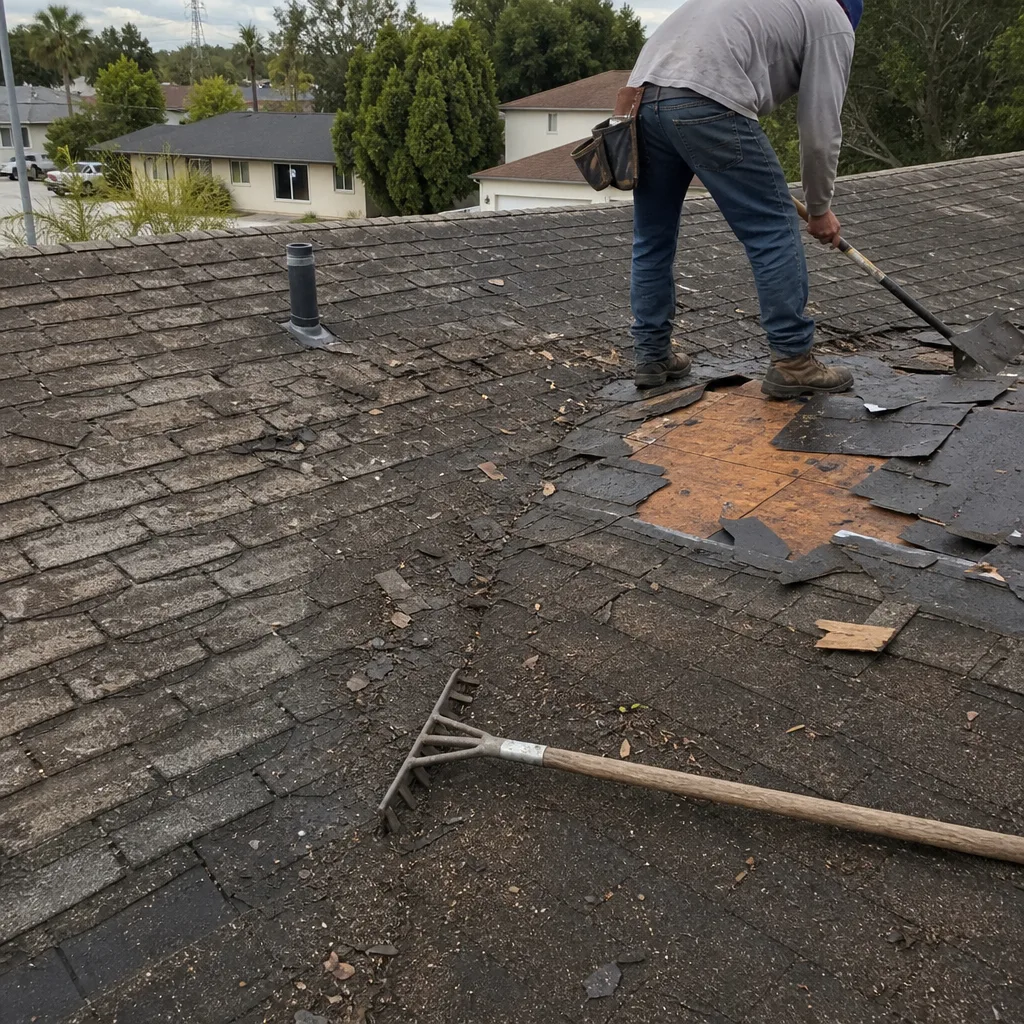 Before
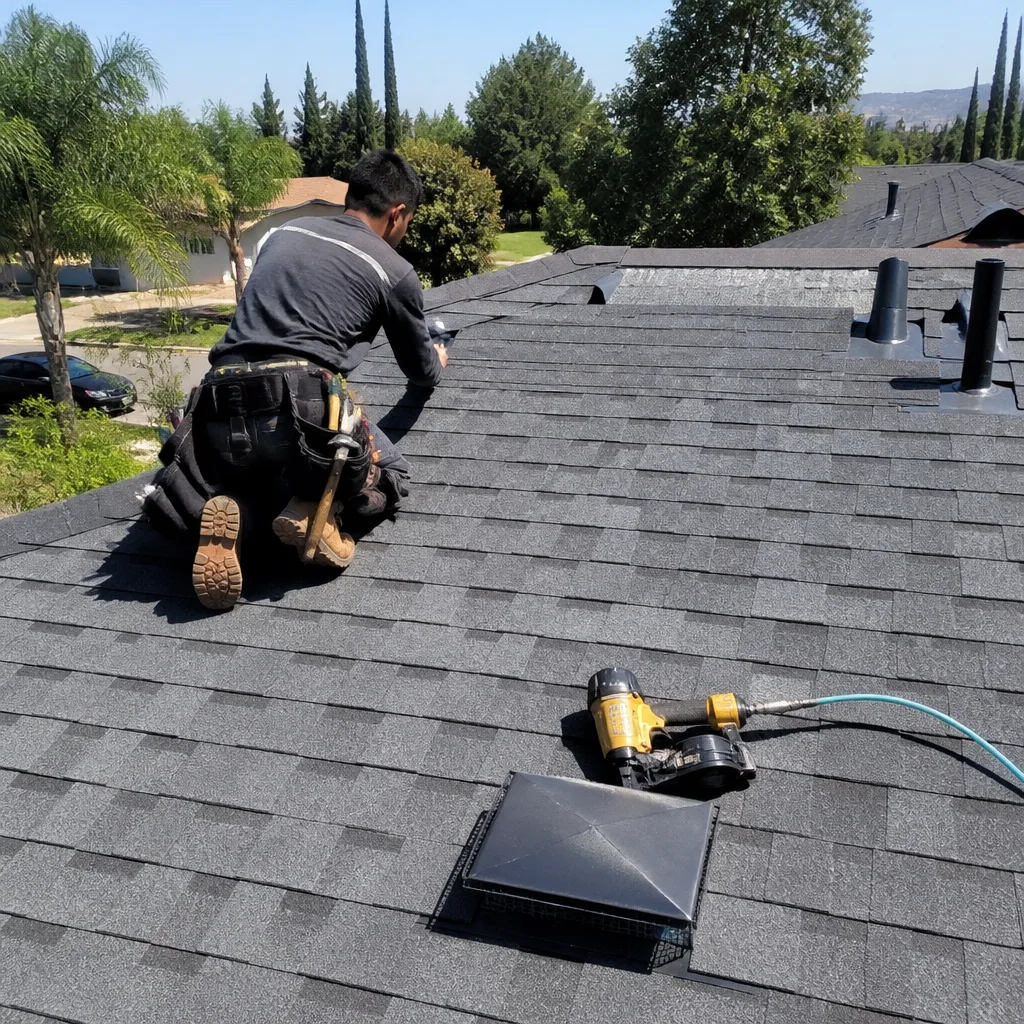 After
AfterWhat to Expect When You Call Mercer Roofing Co Woodland Hills
When you call us about a roof concern in Woodland Hills, here’s what happens. A live person answers, 24/7. You’ll describe what you’re seeing and we’ll schedule an evaluation. Before the technician arrives, you’ll receive their name and photo. When they knock on your door, they’ll be wearing a clean Mercer uniform and they’ll present a photo ID badge. Every technician is background-checked and identity-verified under the Threshold Verified standard.
The evaluation itself covers everything outlined in this guide: exterior roof surface inspection, attic examination, flashing and boot checks, and photographic documentation. You receive a written report and a written price before any work starts. Every repair includes a written guarantee. If a repair fails within 365 days, we’ll return and make it right at no charge. That’s the Roofing Company in Woodland Hills standard we’ve held since 2000.
Common Mistakes to Avoid
- Waiting for a ceiling stain to investigate: By the time water reaches the ceiling, it has already saturated insulation and damaged decking. The cost multiplier is real and predictable.
- Ignoring granule accumulation in gutters during summer: Dry-season granule accumulation is a direct indicator of shingle condition. It doesn’t require rain to be meaningful.
- Patching over a leak without identifying the source: Water travels along rafters and underlayment. The entry point is often far from the stain. Patching the stain area never fixes the leak.
- Letting a contractor start work without a written price: Verbal estimates shift. Written prices don’t. If a contractor won’t put the number on paper, that’s information.
- Assuming a new roof is maintenance-free: Five-year-old roofs develop failures too. Pipe boots crack, flashing lifts, and fasteners back out. An annual check catches these early.
- Delaying a ridge cap repair because it’s “small”: Ridge cracks grow with every thermal cycle. A $300 repair today prevents a $1,800 attic water damage project next year.
- Choosing a roofer without checking who actually shows up: In Woodland Hills, homeowners have options. Know who is coming to your door before they arrive, and confirm their identity when they do.
When to Call a Professional
Call a roofer when you see daylight through the decking from inside the attic, when granule loss has reached the severe stage, when you find a structural crack in a ridge cap, when you see paint bubbling at exterior wall tops, when an interior leak appears regardless of its size, or when your roof is older than 15 years and hasn’t been professionally evaluated in the last two years.
Mercer Roofing Co Woodland Hills offers free estimates in Woodland Hills. You’ll know the name and face of your technician before they arrive, you’ll get a written report and a written price, and every repair is guaranteed in writing. Call (341) 217-2677 to schedule your evaluation.
Frequently Asked Questions
Mercer Roofing Co Woodland Hills provides roof inspections as part of every free estimate, with no charge for the evaluation itself. Many roofing companies in Woodland Hills charge $150-$300 for standalone inspections, but we include the inspection because the report and written price are the foundation of an informed decision. Call (341) 217-2677 to schedule a free evaluation.
In Woodland Hills, asphalt shingle roofs typically last 15-20 years, shorter than the 25-30 year lifespan manufacturers often cite for temperate climates. Intense UV exposure, sustained summer heat, and daily thermal cycling accelerate shingle aging in the San Fernando Valley. The specific lifespan of your roof depends on shingle quality, attic ventilation, and whether it faces south or west. We can evaluate your roof and give you an honest remaining-life estimate.
Most roof leak repairs in Woodland Hills fall between $350 and $1,200, depending on the cause. A simple pipe boot replacement runs $150-$250. Flashing repair around a chimney or skylight typically costs $400-$800. If the leak has already damaged decking, the repair becomes more involved because the damaged plywood must be replaced before new shingles go on. We provide a written price before any work starts, so you know exactly what to expect. Call (341) 217-2677 for a free estimate.
Homeowners insurance typically covers roof damage from sudden events like wind, fire, or falling debris, but does not cover damage from normal wear and tear. In Woodland Hills, where shingle aging from heat and UV is the most common cause of roof failure, many claims are denied on the basis of gradual deterioration. We recommend documenting roof condition annually, and if you’re unsure whether your situation is a claimable event, your insurance adjuster can make that determination. We can also provide the documentation you need to file a claim.
Small repairs that replace a limited number of shingles or flashing components generally do not require a permit in Woodland Hills. Full roof replacements and structural repairs do require permits through the City of Los Angeles Department of Building and Safety. We handle permitting for all replacement and structural projects, and we ensure all work passes inspection before the project is closed out.
Anything that is actively allowing water into your home is urgent and should be addressed within days, not weeks. Active leaks, visible daylight through the decking, or structural ridge cracks all qualify. Granule loss and general shingle aging are conditions that should be evaluated but typically allow time for planning. If you’re not sure, call (341) 217-2677 and describe what you’re seeing. We’ll help you determine the urgency over the phone.
The Bottom Line
Your roof sends warning signals long before a leak shows up on your ceiling, and Woodland Hills homeowners who learn to read those signals save thousands of dollars. Granule accumulation in dry-season gutters, daylight visible through attic decking, cracked pipe boots, lifting flashing, and cracked ridge caps all precede water damage by months or years. The key is annual attention from someone who knows what to look for. The inspection is free, the report is written, and the price is on paper before work starts. For more guides & resources on protecting your Woodland Hills home, visit our blog.
Written by Grant Whitlock, Owner at Mercer Roofing Co Woodland Hills, serving Woodland Hills since 2000.