
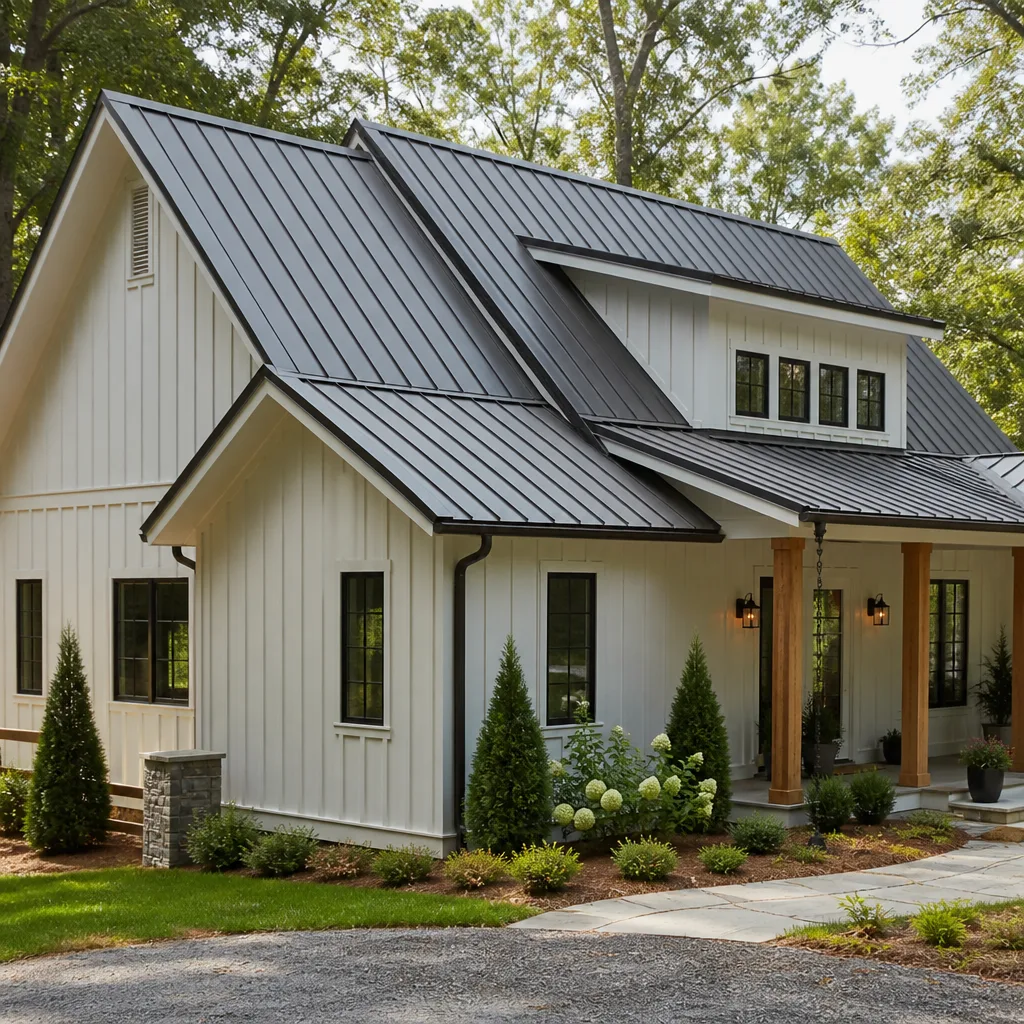
 Metal roofing
 Architectural shingles
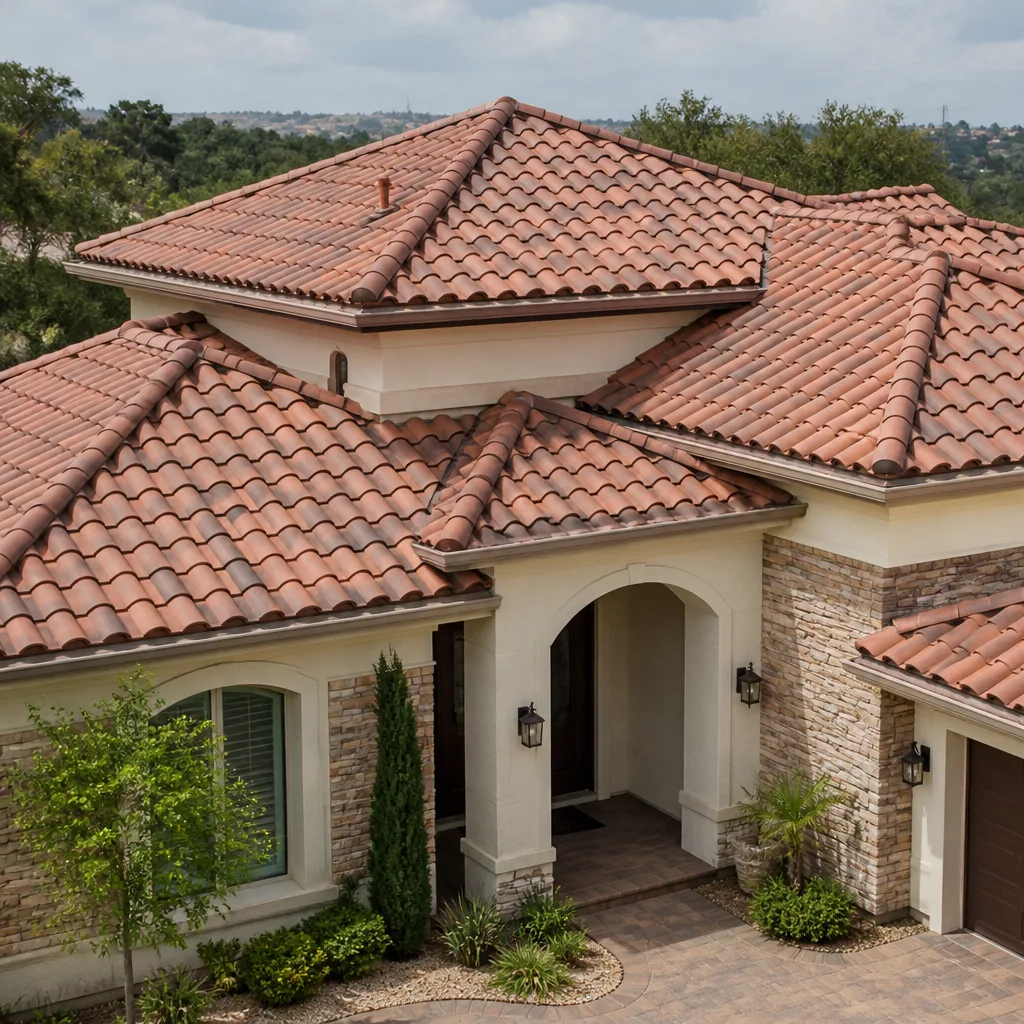 Tile roofing
 GAF
GAF Owens Corning
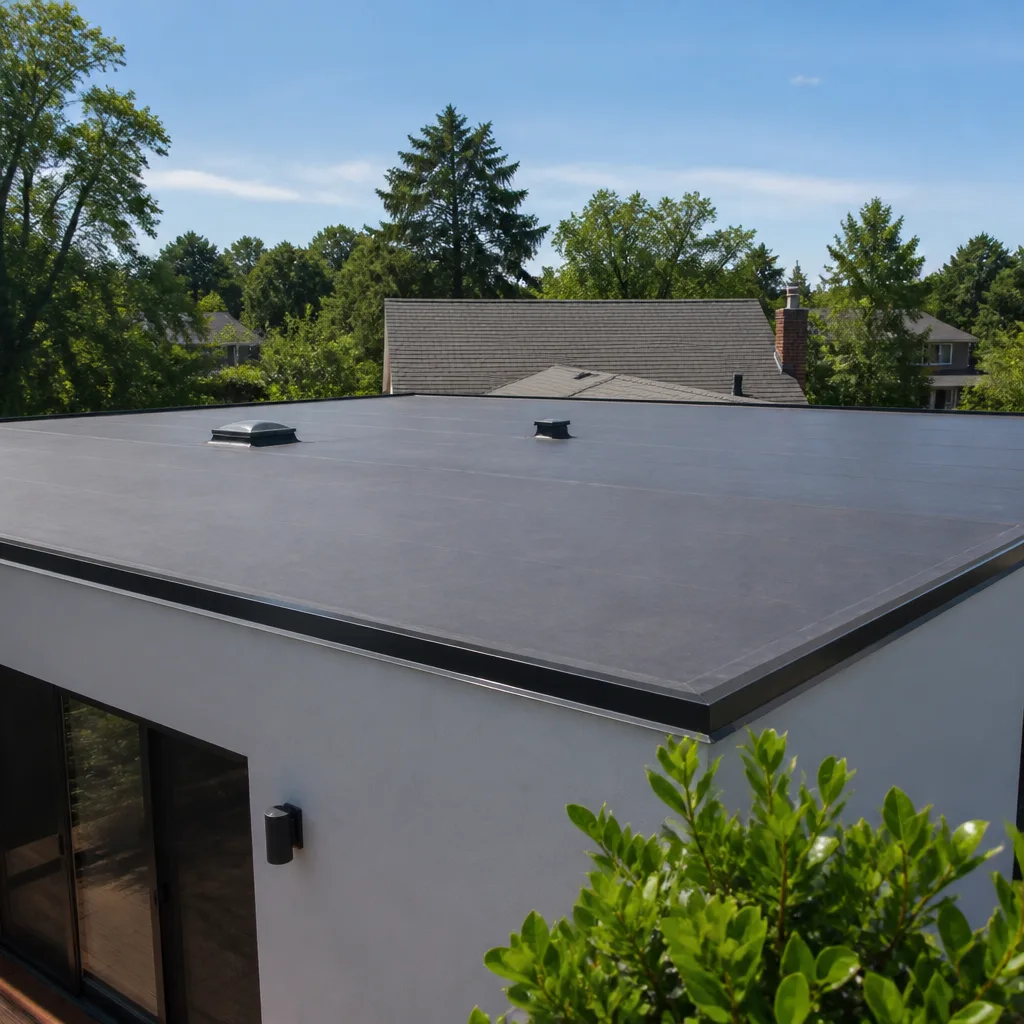 Flat & low-slope
Free roof inspection with deck photos before we talk money - GAF and Owens Corning certified installation
Boral Ridge Vent Installation: The Woodland Hills Owner’s Guide
We stock and install Boral-compatible ridge vent at homes throughout Woodland Hills, with typical installed pricing running $380 to $720 depending on ridge length and the condition of the existing opening. Most jobs are completed in a single visit, and we carry common profile dimensions on the truck. The way homeowners usually find us: they notice a musty attic smell in late summer, or they spot cracked plastic or missing sections along the ridge after a Santa Ana wind event rolls through the Valley.
What surprises most people is how quietly a ridge vent fails. Water doesn’t pour through the ceiling. Instead, the attic slowly builds moisture, the shingles near the peak start curling early, and the air conditioning runs harder than it should. By the time you see water staining at the ceiling’s edge in a Woodland Hills tract home, the vent has usually been failing for a season or two.
Before we get into pricing and compatibility, a quick note on who we are. Mercer Roofing Co Woodland Hills is an independent roofing contractor. We’re not affiliated with Boral, but we work with Boral products daily and keep their vent profiles in our inventory. And yes, we also stock parts for GAF, Owens Corning, and CertainTeed systems when a ridge vent mixes brands on the same roof.
Which Boral Models This Applies To
Boral’s ridge vent line centers on a handful of profile designs, and the compatibility details matter more than people expect. The two series we see most often on Woodland Hills roofs are the low-profile shingle-over vents and the exposed baffle vents used on tile roofing systems. They are not interchangeable. A shingle-over vent sits nearly flat and gets covered with cap shingles, while the exposed baffle vent is taller and designed to sit above flat or S-tile without being buried.
Here’s the compatibility gotcha we see regularly: the vent’s width has to match the cut opening in the roof deck. Most Boral-compatible ridge vents are built for a 2-inch or 3-inch slot along the ridge. If someone cuts a 3-inch opening and installs a vent spec’d for 2 inches, you lose meaningful airflow. If the slot is too wide and the vent too narrow, water gets in during wind-driven rain. We measure the existing slot before quoting any replacement, because guessing here costs you an attic full of damp insulation by February.
When it comes to OEM versus aftermarket, for Boral tile roofs we recommend staying with a Boral-spec profile, not a generic box-store equivalent. The mating surface under Boral tile is tighter than under typical asphalt shingle caps, and a non-Boral profile often sits proud of the tile line, which looks off and channels water the wrong way. We carry both OEM Boral profiles and OEM-equivalent aftermarket stock, and we’ll tell you which is appropriate for your roof before you commit to anything.
Styles & brands we work with
Signs Your Boral Ridge Vent Installation Is Failing
Ridge vents rarely fail with drama. They degrade over years of Woodland Hills heat, and the symptoms show up in the attic and on the roofline long before they show up in your living room. Here are the five signs we look for when we get called out.
- Cracked or brittle vent sections along the ridge. UV exposure in Southern California eventually makes even quality plastic vents chalky and fragile. Once cracks appear, wind-driven rain finds them. We see this most on west-facing ridge lines in neighborhoods like Walnut Acres, where the afternoon sun is relentless.
- Granules from cap shingles collecting in the gutter directly below the ridge. When a vent shifts or settles, cap shingles over it rub against the vent’s profile and shed granules faster than the roof field. If your gutters are filling with granules near the ridge line, something is moving up there.
- Attic temperature climbing higher than normal in summer. A functioning ridge vent releases superheated air, which draws cooler air in through your soffit vents. When the vent clogs with dust, old insulation, or nesting material, that airflow stops. Woodland Hills summers turn attics into ovens fast, and a failed vent is usually why your second story won’t hold temperature in August.
- Condensation staining on attic sheathing near the peak. Warm, moist air trapped inside the attic will condense on the cool underside of the roof deck at night. If you see dark streaks or light surface mold beginning along the ridge, your vent isn’t moving air out anymore.
- Missing vent sections after a Santa Ana event. We’ve seen entire runs of ridge vent peeled off during wind events in the Valley, especially open exposures along the Warner Center corridor. If sections are missing, we need to check the full run, not just patch what’s gone.
See the difference
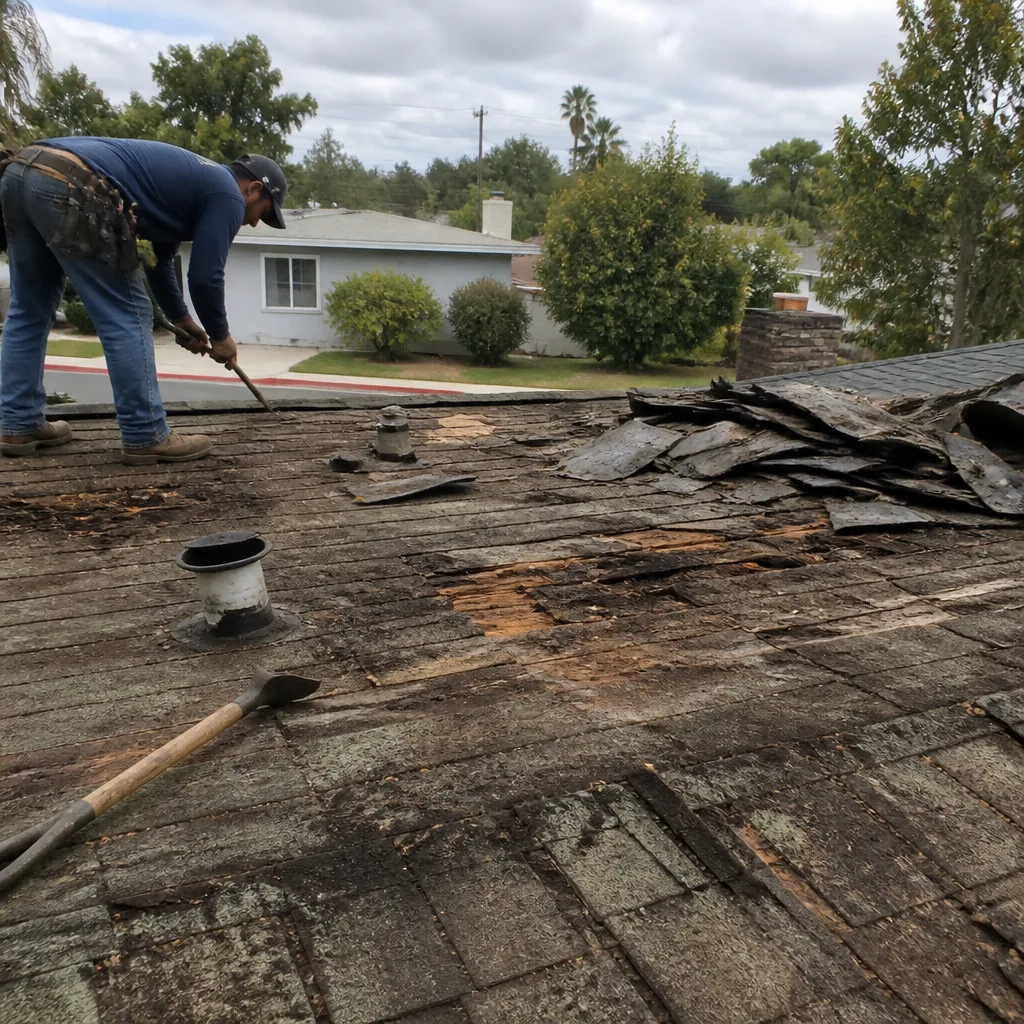 Before
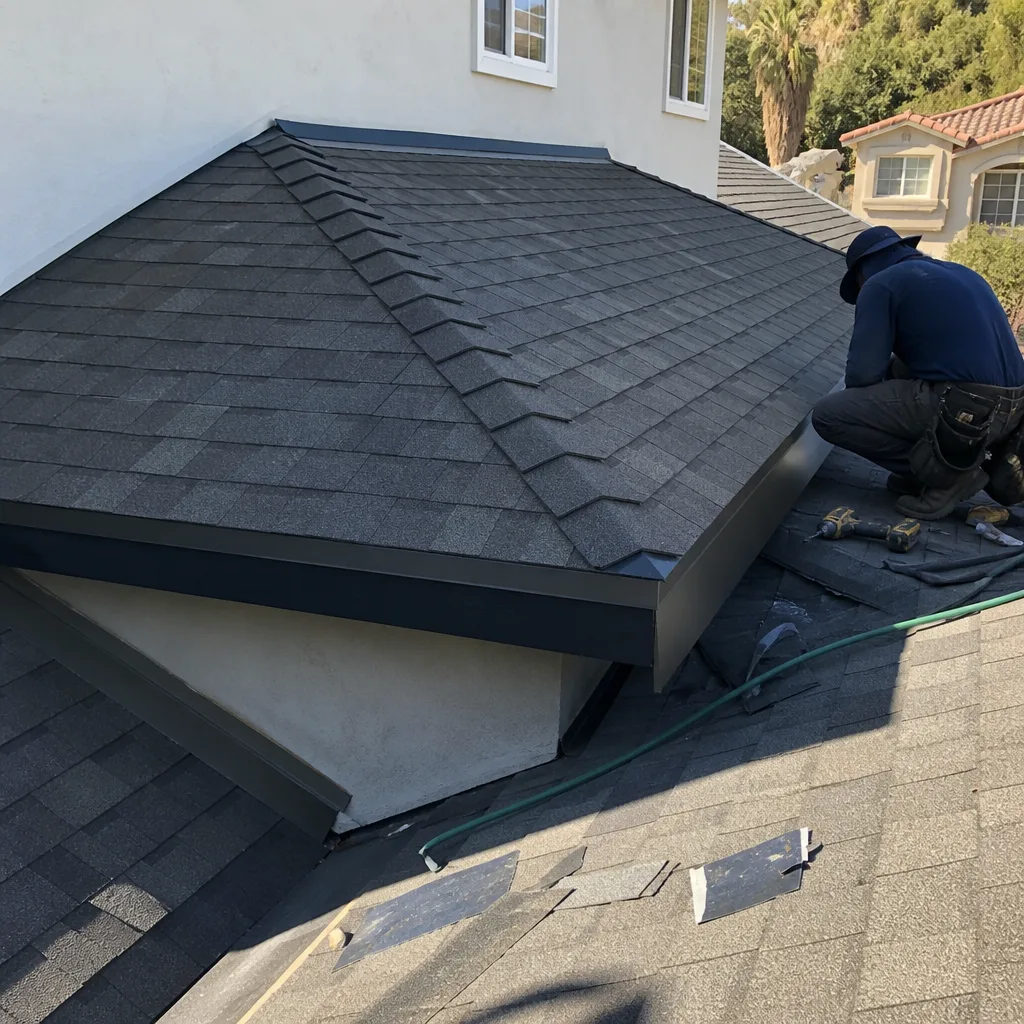 After
After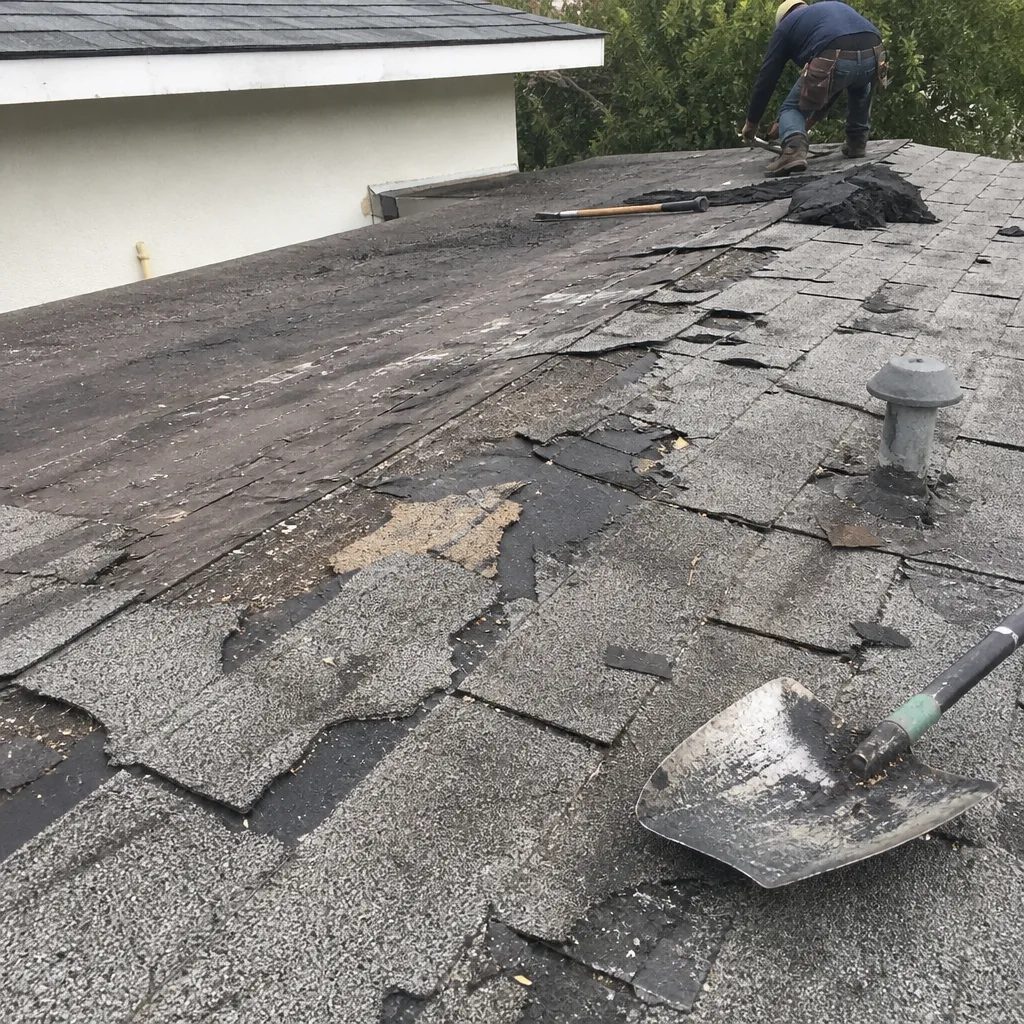 Before
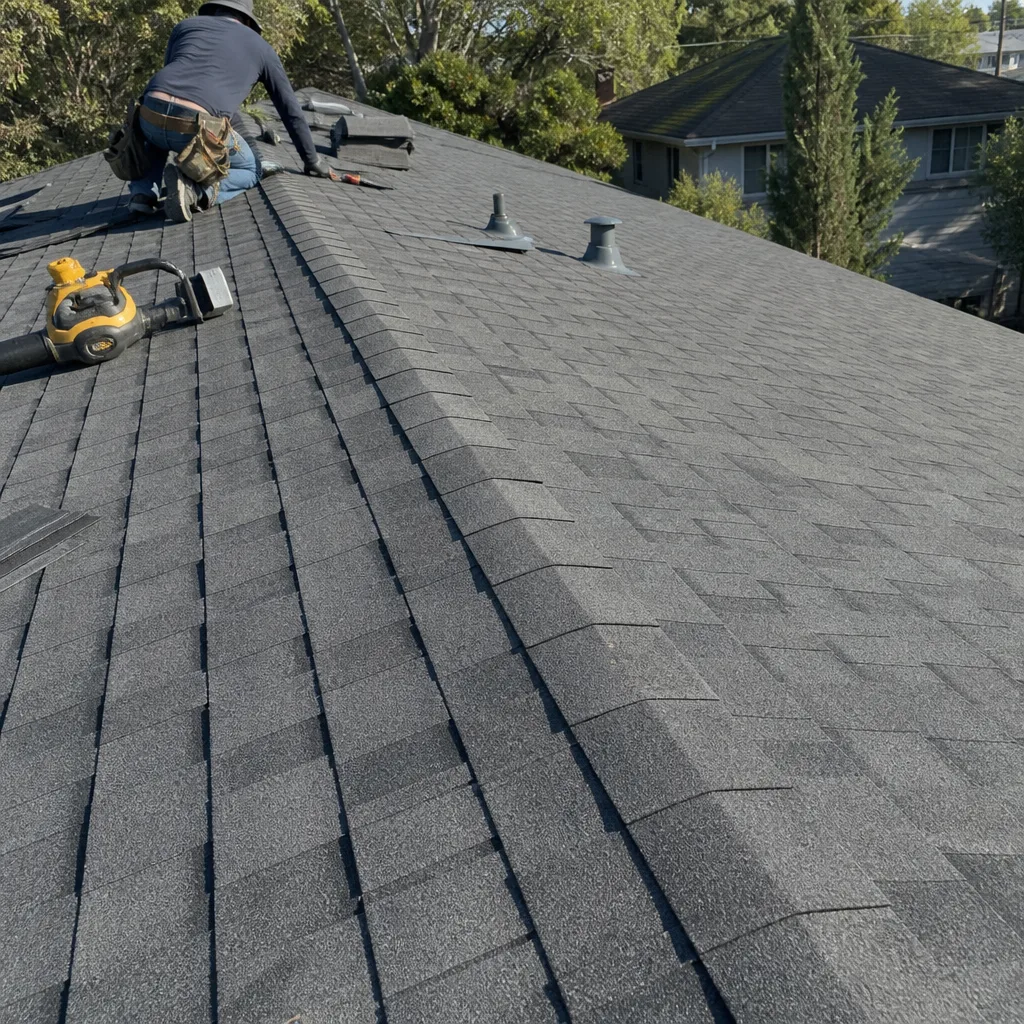 After
After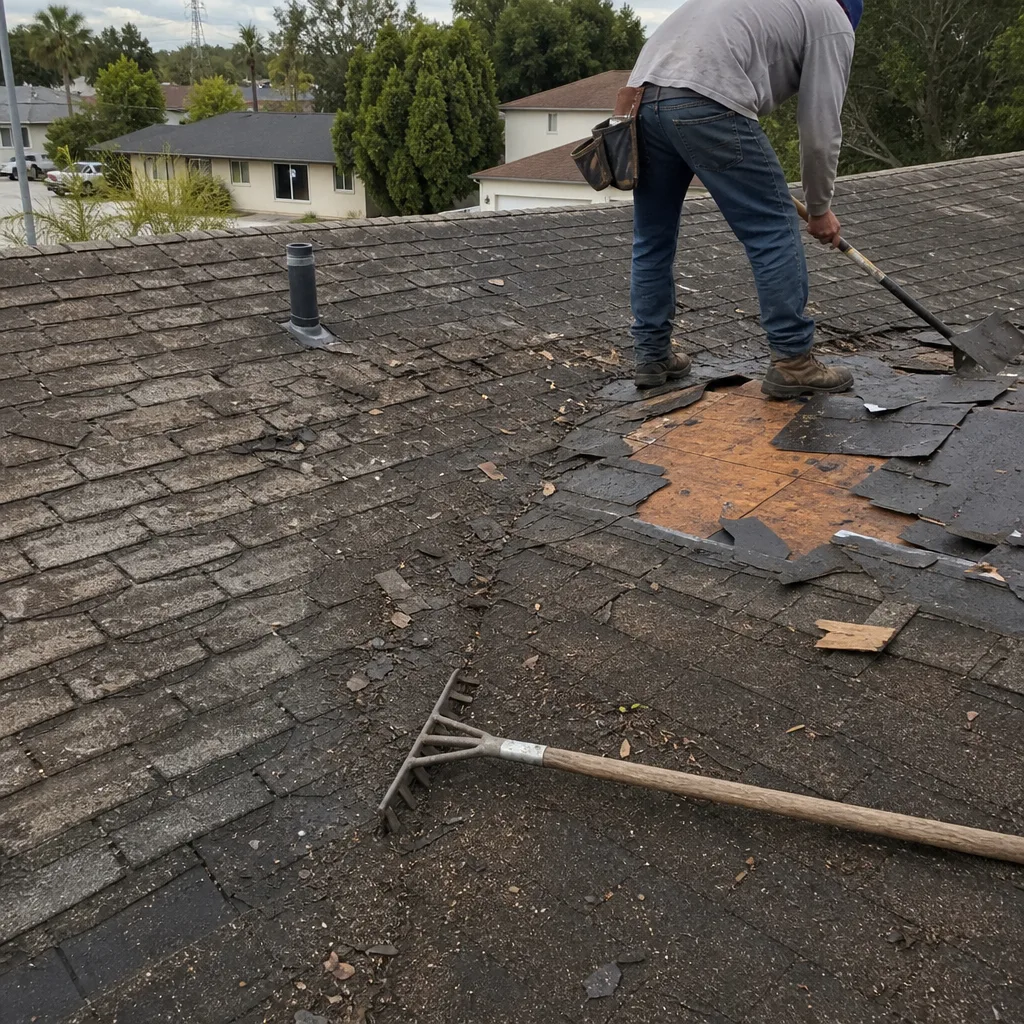 Before
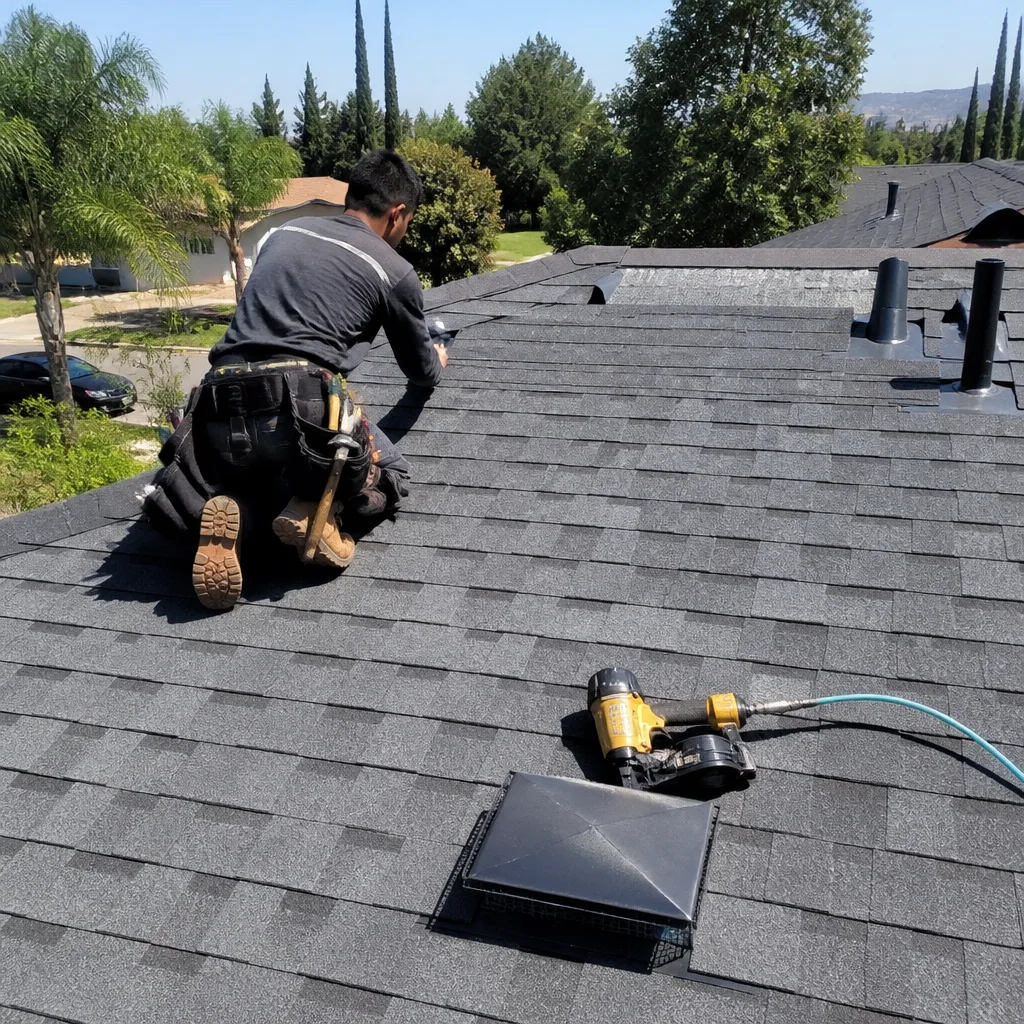 After
AfterReplacement Cost & What’s Included
Here in Woodland Hills, a complete Boral-compatible ridge vent installation runs $380 to $560 on most single-story homes with up to 40 linear feet of ridge. Two-story homes and longer runs run $640 to $720. If the roof deck opening is already cut correctly, that price is mostly parts and a straightforward install.
What you’re paying for: removing the old vent and cap shingles or tile caps, inspecting the underlying decking for rot or water damage, installing the new vent with correct fasteners and a proper weather seal, reinstalling caps, and cleaning up. If we find damaged decking while we’re up there, we’ll show you a picture and a written line-item price before we replace a single board. No surprises on the invoice.
Every installation includes a 365-Day Done Right Promise in writing. If something isn’t right inside a year, we come back and make it right at no cost. That’s not a phone promise. It’s on the paperwork. Our written quote is the same written price you’ll see on the invoice, every time.
DIY or Call Us?
Working on a ridge line is genuinely dangerous. You’re at the highest point of the roof, often on a pitched surface, and the consequences of a slip don’t need explaining. I learned that lesson early, and it’s why we don’t frame ridge work as a weekend project. That said, there are safe things you can check from the ground or from an interior attic access.
You can safely check for visible cracking or missing sections from the street using binoculars. You can also inspect the attic side to look for light gaps along the ridge opening or water staining near the peak. What you shouldn’t do is get on the roof with a tube of sealant and try to patch a vent. Ridge vents have specific fastener and seal requirements, and a sealant-only fix traps moisture behind the vent, which is worse than a leak. If you find anything suspicious, call us at (341) 217-2677 and we’ll send someone to look. A roof should be the last thing you worry about. Let’s make sure it is.
FAQs
In the Woodland Hills climate, a quality Boral-spec ridge vent typically lasts 12 to 18 years before UV degradation becomes noticeable. Shingle-over vents buried under cap shingles tend to last toward the upper end. Exposed baffle vents with direct sun exposure, especially on south and west-facing ridges, degrade faster.
Sometimes a short section of vent can be patched if the surrounding material is still structurally sound, but in most cases, a partial repair on an aged vent creates a moisture bridge and uneven airflow. We’ll always tell you honestly whether a repair will hold for years or whether replacement is the smarter money. Call (341) 217-2677 and we’ll assess it in person.
A standard ridge vent replacement on an average Woodland Hills home takes one workday, including removal, inspection, installation, and cleanup. Longer ridge runs or tile roof work can take a day and a half. We’ll give you a clear timeline in writing before we schedule.
We keep common Boral-compatible vent profiles stocked, so most installations can happen without waiting on a supplier. For non-standard widths or exposed baffle profiles on tile roofs, we may need a short order window. We’ll tell you before we send anyone up.
Written by Grant Whitlock, Owner, Mercer Roofing Co Woodland Hills at Mercer Roofing Co Woodland Hills, serving Woodland Hills and nearby areas.