
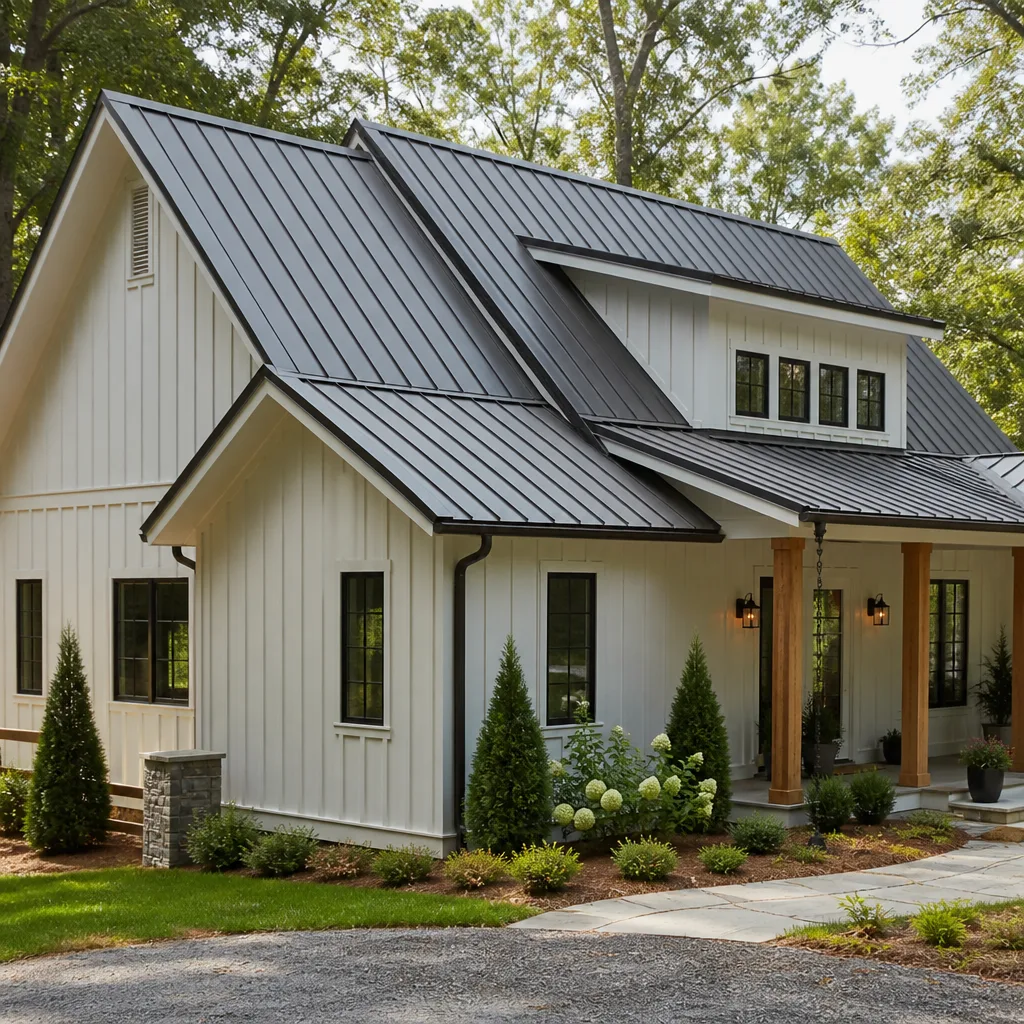
 Metal roofing
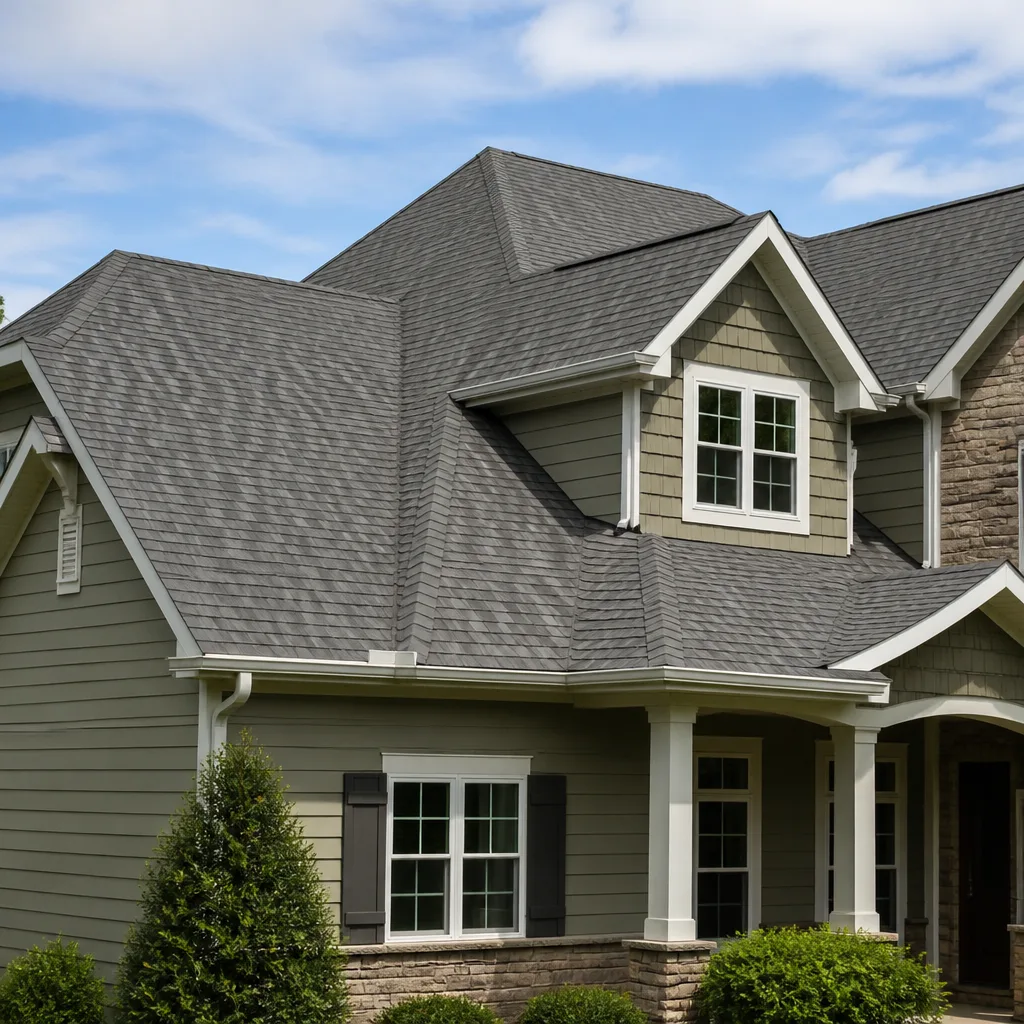 Architectural shingles
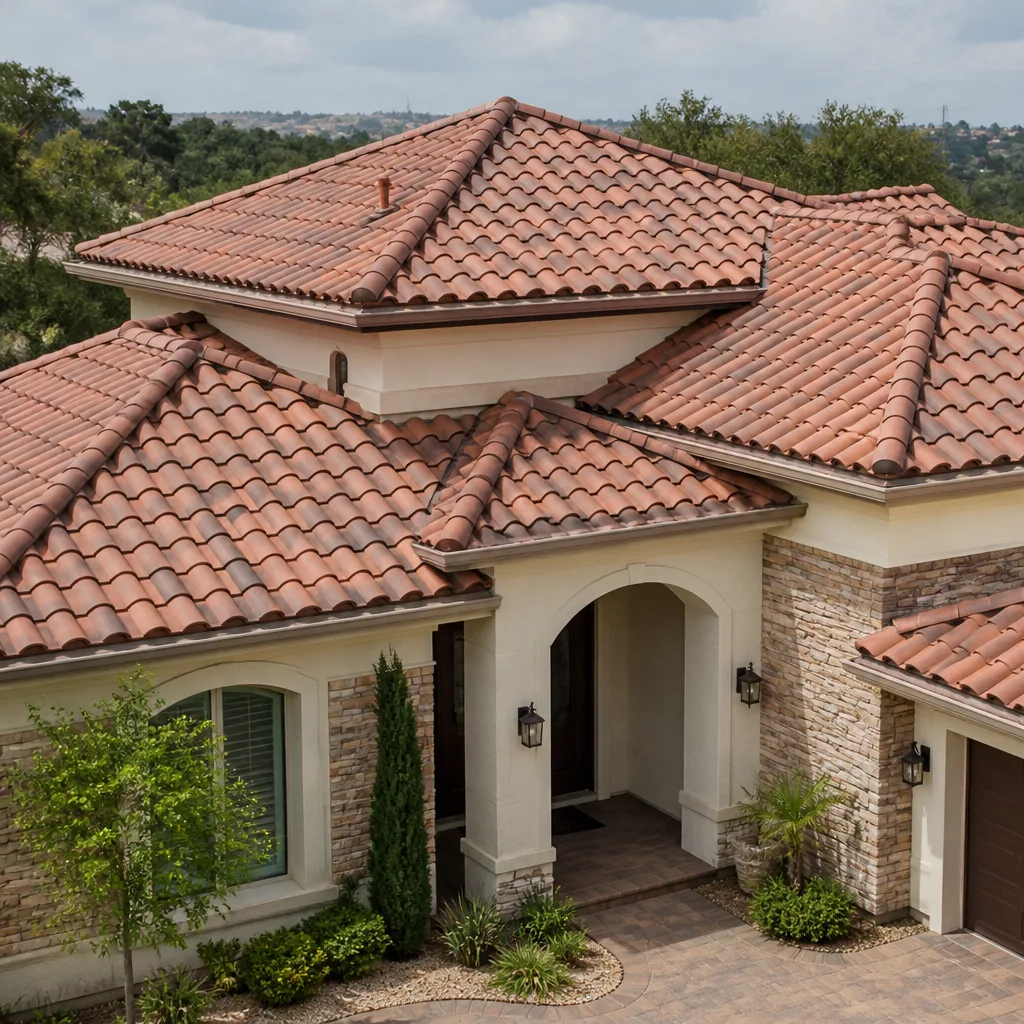 Tile roofing
 GAF
GAF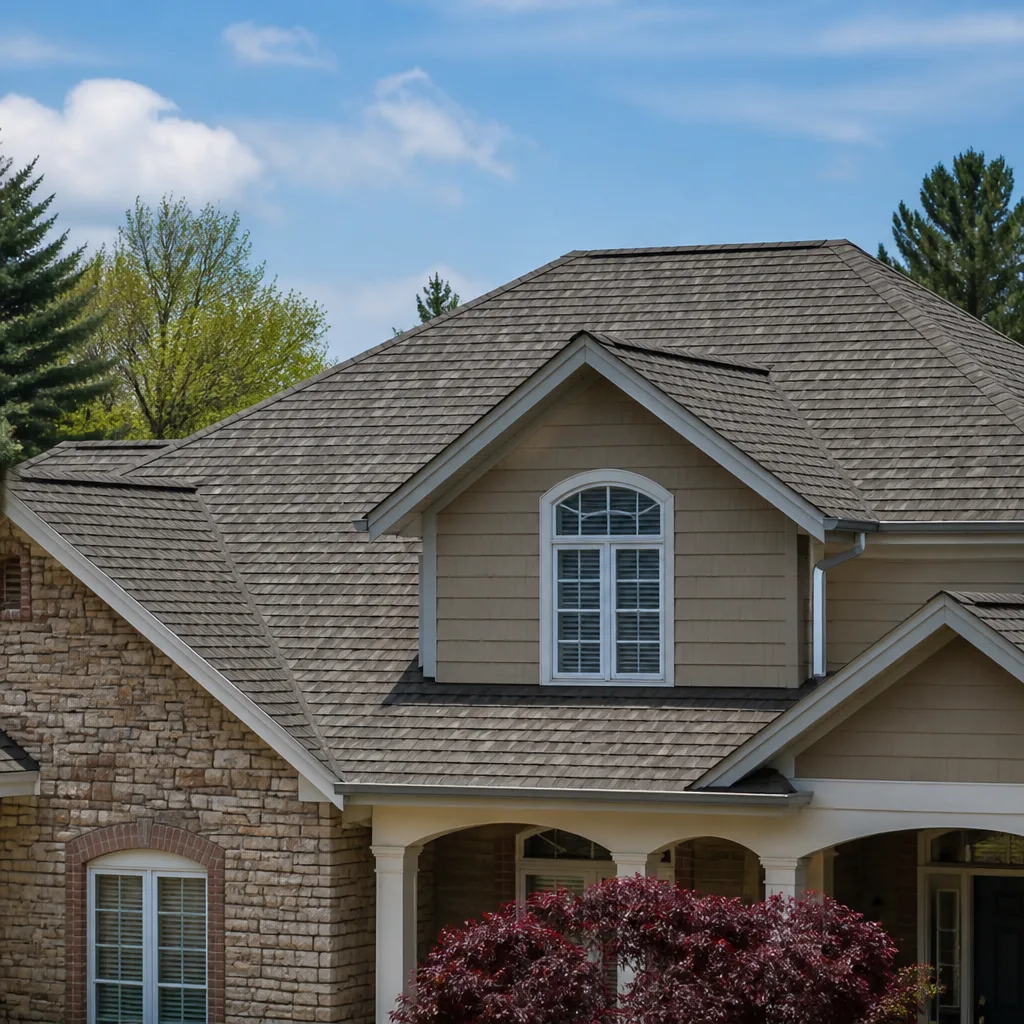 Owens Corning
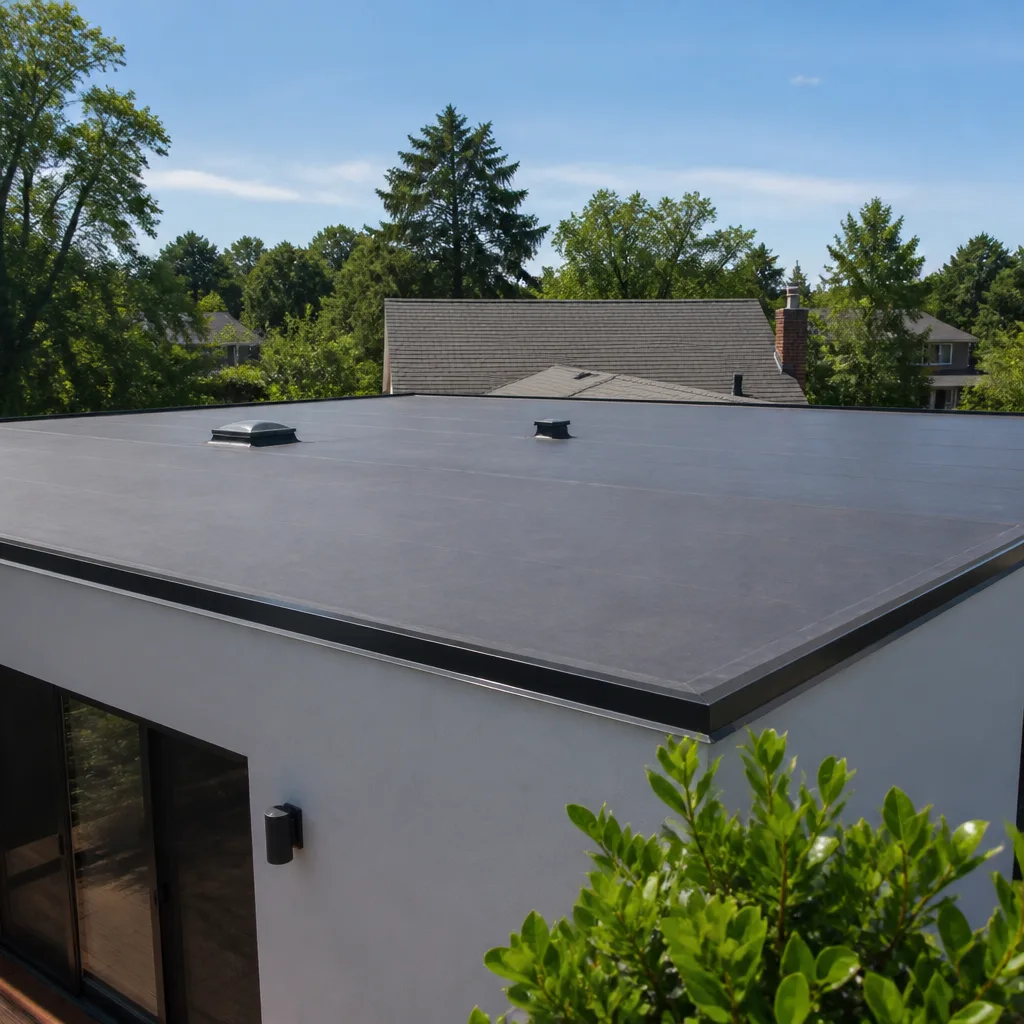 Flat & low-slope
Free roof inspection with deck photos before we talk money - GAF and Owens Corning certified installation
Boral Flashing Replacement: The Woodland Hills Owner’s Guide
Boral flashing replacement in Woodland Hills typically runs $18 – $42 per linear foot installed, with most full flashing replacements landing between $450 and $1,100 depending on roof pitch and how many transition points are involved. We stock Boral-compatible flashing profiles on our trucks and can usually complete the replacement in a single visit. Most homeowners discover the problem the same way: a water stain on the ceiling after the first real rain of the season, or granules collecting in the gutter below a valley where the flashing has pulled away.
Flashing is the metal or composite material that bridges the gaps where your Boral roof meets a wall, chimney, skylight, or valley. When it fails, water gets exactly where it should never go. In Woodland Hills, our long dry stretches can hide a flashing problem for months. Then the Santa Ana winds push rain sideways, and suddenly the leak that was always there becomes impossible to ignore.
Key Takeaways:
- Boral flashing replacement costs $18 – $42 per linear foot installed in Woodland Hills
- We stock Boral-compatible flashing profiles on the truck for same-visit replacement
- Written price before any work starts, every time
- 365-Day Done Right Promise on every repair we make
- Call (341) 217-2677 for a free estimate
Which Boral Models This Applies To
Boral’s roofing product line covers a range of profiles, but the flashing compatibility question is simpler than most homeowners expect. Whether you have Boral concrete tile in a flat, low, or high profile, or Boral steel roofing panels in a standing seam or corrugated profile, the flashing follows the roof’s geometry more than the tile’s brand. That said, there are two compatibility gotchas worth knowing before you buy.
First, Boral concrete tile has a deeper profile than most clay tiles. Standard step flashing that works fine under a flat clay tile often sits too low under a Boral tile. The flashing needs to extend higher up the wall or curb than you might think, or water backs up behind it. We see this regularly on homes in the hills south of Ventura Boulevard, where steep pitches make the problem worse. Second, Boral steel roofing uses a specific rib height on standing seam profiles. Off-the-shelf Z-bar flashing cut for a generic 1.5-inch rib will not seat correctly on a 1.75-inch Boral rib. We measure before we order, every time.
As for OEM versus aftermarket: Boral’s own flashing components are well made, but they are not always necessary. For most transition points, a high-quality 26-gauge galvanized or aluminum flashing profile, cut and formed to match the Boral dimensions, performs identically to the branded part. Where we do recommend OEM is on Boral steel roof penetrations like pipe boots and vent collars. Those are engineered to a specific rib profile, and an aftermarket part that is “close enough” will leak at the seams. We are an independent roofing company, not a Boral affiliate, so we recommend what works rather than what a single manufacturer sells.
Styles & brands we work with
Signs Your Boral Flashing Replacement Is Failing
- Water stains on ceilings or walls after rain. This is the symptom that finally gets most homeowners to call. By the time the stain shows, the flashing has usually been compromised for weeks or months. The stain typically appears within 48 hours of the rain, often near a chimney, wall intersection, or valley.
- Granules or rust streaks below a valley or wall junction. When flashing shifts or corrodes, water runs under the tile edge and washes the protective granules off the underlayment below. In a Woodland Hills summer, you may see a concentration of tile grit in one gutter section while the rest stays clear.
- Visible separation between flashing and roof surface. Boral tile expands and contracts with temperature swings, and our diurnal range in the Valley is wider than most people think. Over ten or fifteen years, that movement works metal flashing loose. If you can see daylight between the flashing and the tile from a ladder or drone photo, replacement is close.
- Cracked or missing mortar at tile terminations. On older Boral installations around chimneys and parapet walls, the flashing is embedded in mortar. Woodland Hills sun breaks that mortar down over time, and the flashing loses its seal. Small cracks you can fill; crumbling mortar means the flashing underneath is exposed and failing.
- Damp attic insulation or musty smell near exterior walls. Flashing failures do not always announce themselves with a dramatic ceiling stain. Sometimes the water travels along a beam and wets insulation near the soffit. If one corner of the attic smells different from the rest, the flashing above it is the first thing we check.
Replacement Cost & What’s Included
Here is what Boral flashing replacement costs in Woodland Hills, based on the jobs we price most often:
- Step flashing replacement (wall-to-roof junction): $18 – $28 per linear foot installed. A typical 20-foot wall junction runs $360 – $560.
- Valley flashing replacement: $22 – $32 per linear foot. Most Woodland Hills valleys are 14 – 18 feet, so expect $310 – $580.
- Chimney flashing replacement (full cricket re-flash): $650 – $1,100 total, depending on chimney size and roof pitch.
- Pipe boot / vent collar replacement on Boral steel: $95 – $180 per penetration, installed.
- Skylight flashing replacement: $220 – $410 per skylight, depending on the curb height and whether we are re-seating the unit.
Every one of those numbers includes the flashing material, fasteners, sealant, cleanup, and our labor. The price we write down before we start is the price you pay when we are done. There is no parts upcharge surprise and no “we found additional damage” phone call unless it is something you should genuinely know about, and even then you approve the number in writing before we proceed. Every Boral flashing replacement carries our 365-Day Done Right Promise: if the repair fails within a year, we come back and make it right at no charge. It is in writing on every job.
See the difference
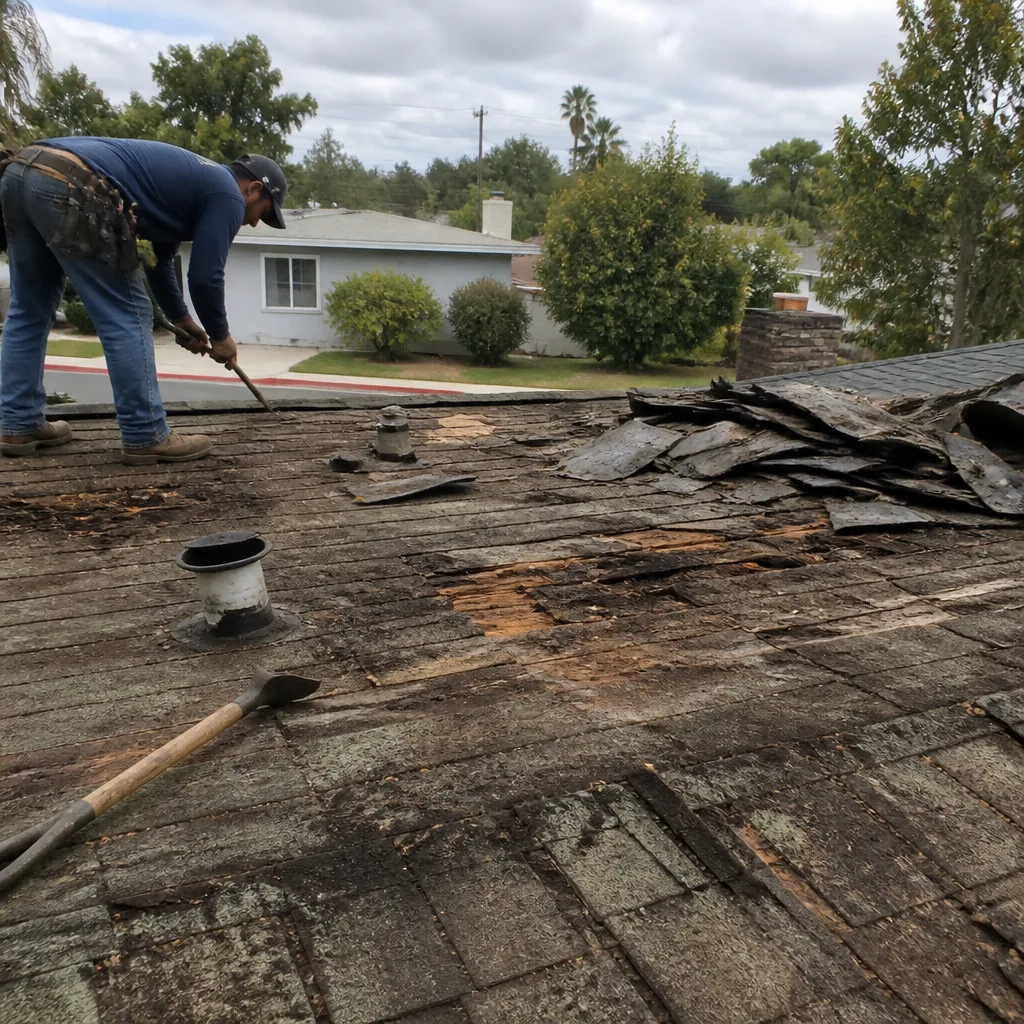 Before
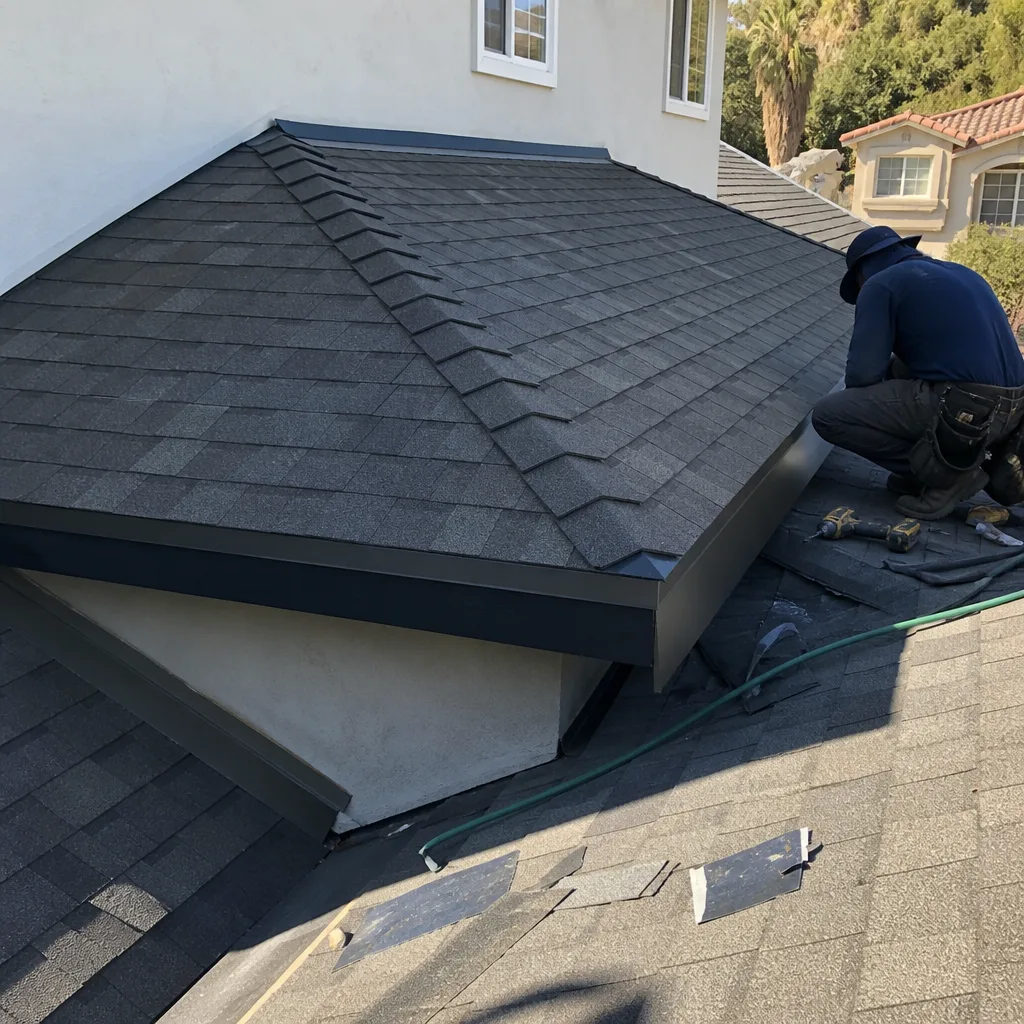 After
After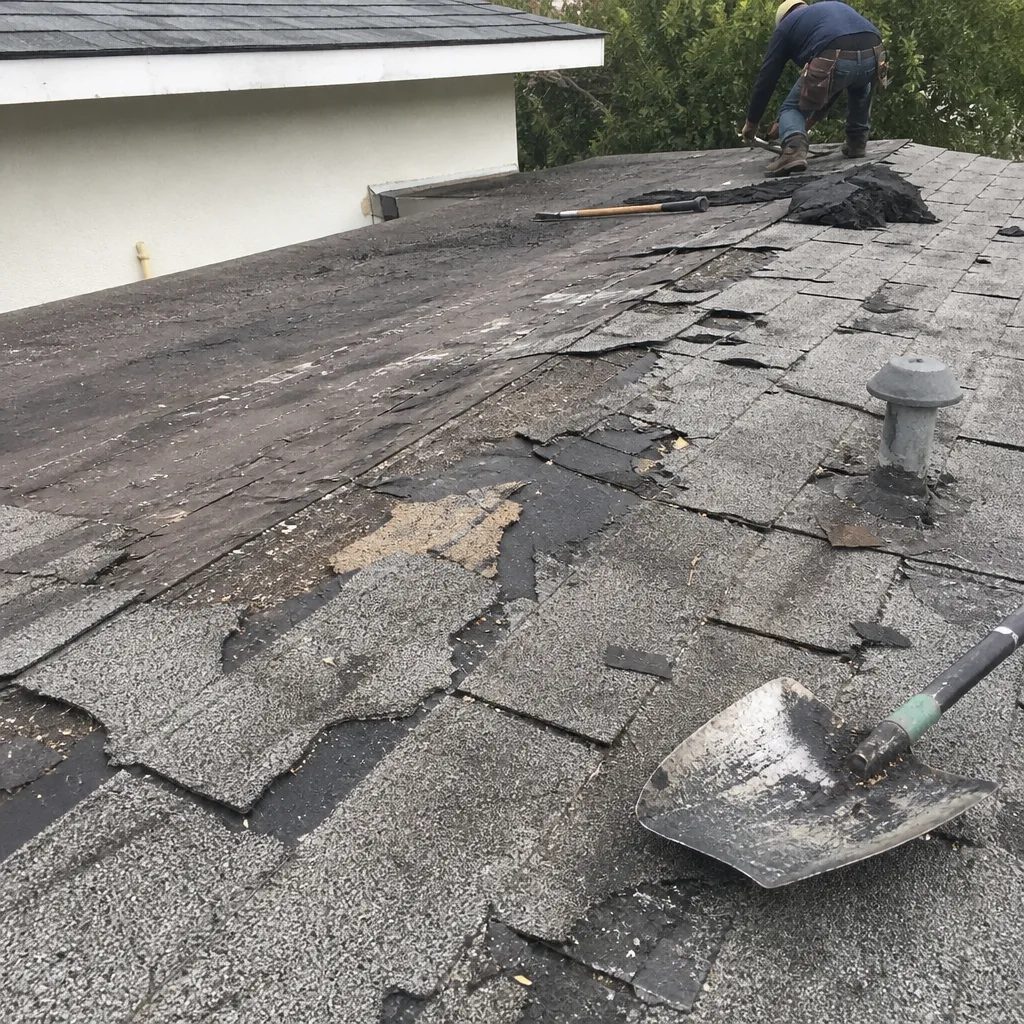 Before
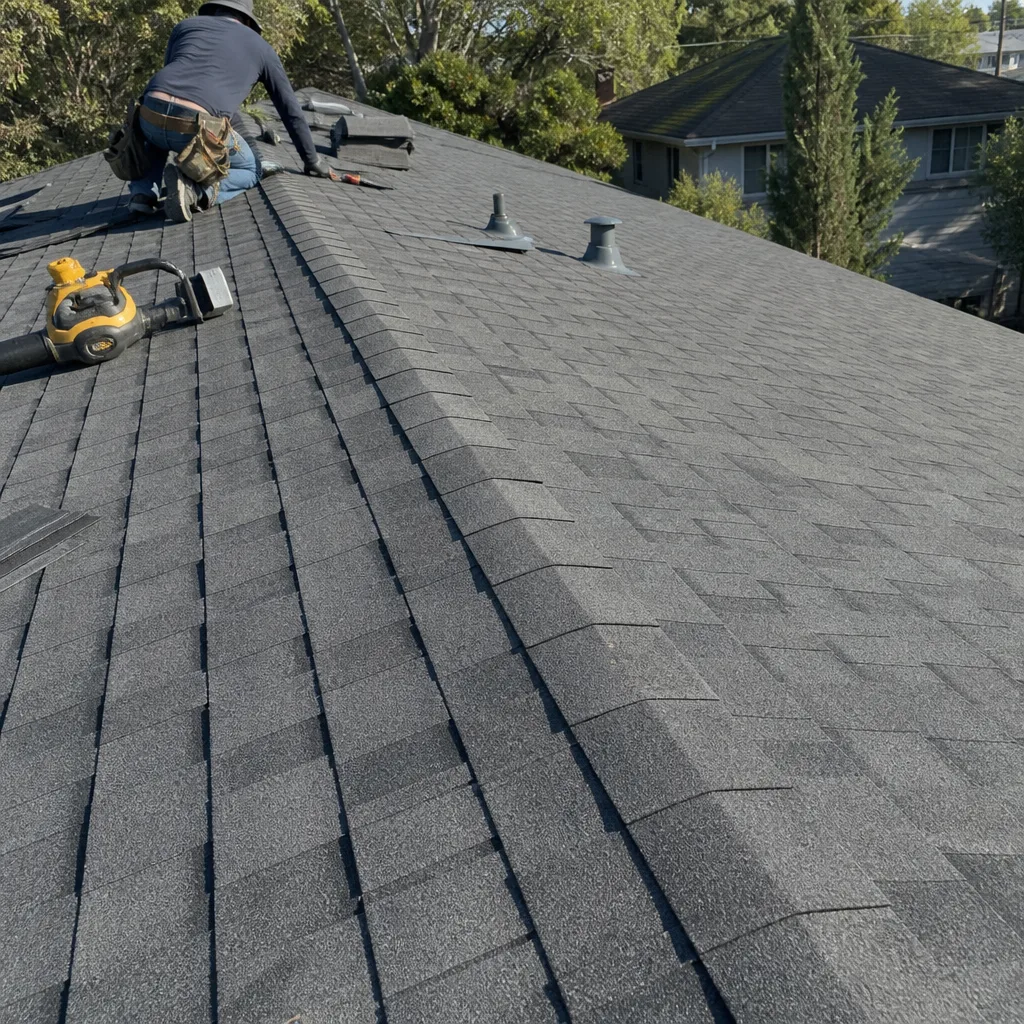 After
After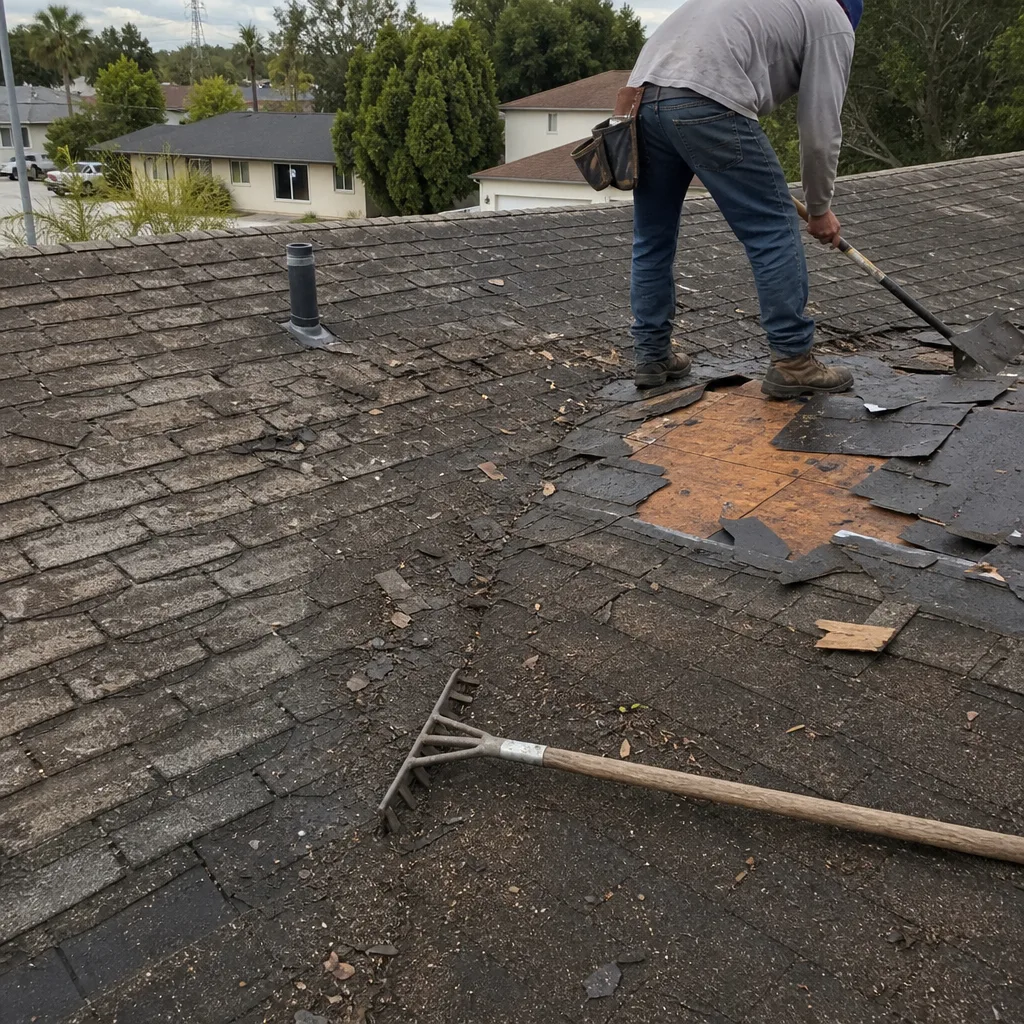 Before
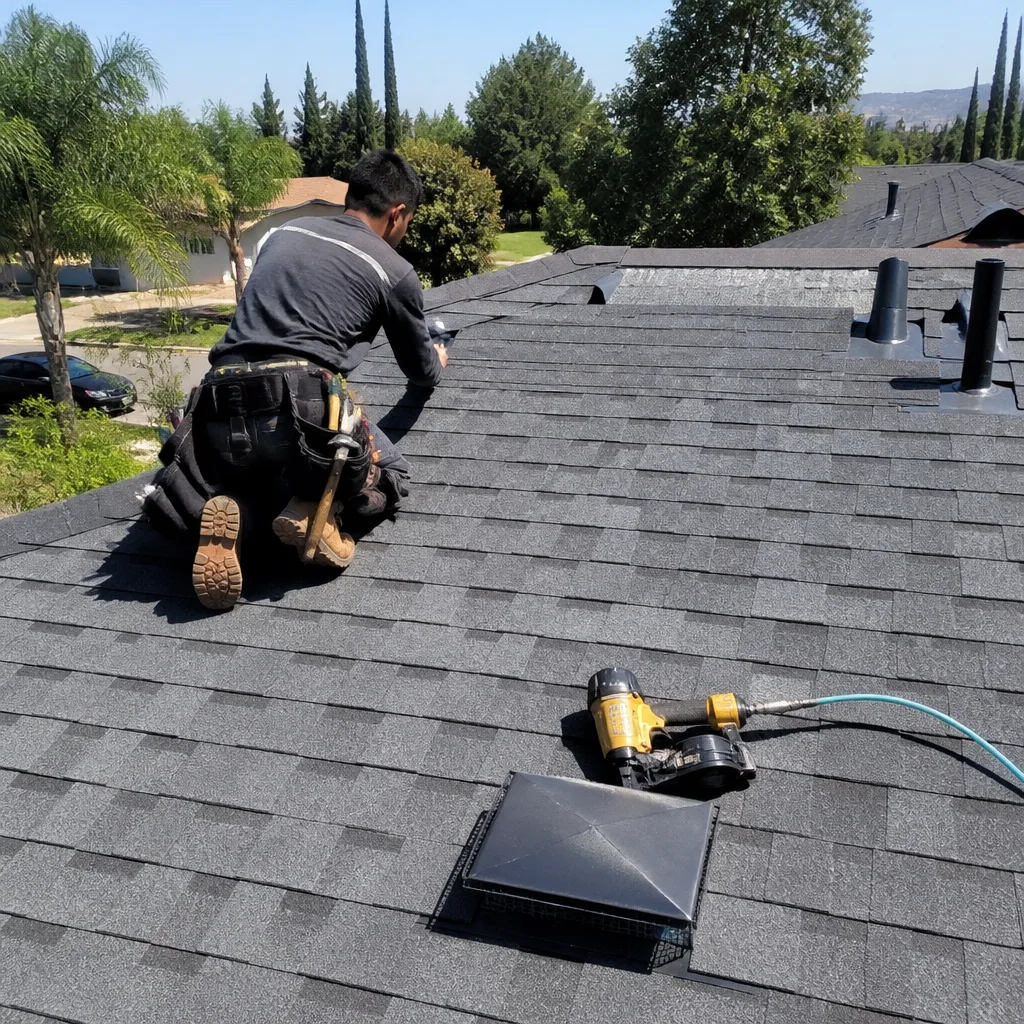 After
AfterDIY or Call Us?
Boral flashing replacement is not a high-tension or electrical hazard, but it is also not a weekend ladder project for most homeowners. The safe things you can do yourself: inspect from the ground with binoculars, check your attic after rain, and keep your gutters clear so you can see whether granule buildup is localized to one spot. Those observations help us diagnose the problem faster when we arrive.
What we do not recommend is working on the flashing itself. Roof work on a two-story Woodland Hills home means ladder work, a steep pitch, and Boral tile that cracks under foot pressure if you step in the wrong place. A cracked tile is a new problem you did not have before. The other reason to call us: flashing replacement often reveals what is underneath. If the underlayment is shot or the decking has rot at the wall junction, that needs to be addressed before the new flashing goes on. We will tell you if it does and put the number in writing before we touch it. Call (341) 217-2677 and we will come take a look.
FAQs
Boral flashing in Woodland Hills typically lasts 15 to 20 years before needing replacement, though the lifespan depends heavily on exposure. Flashing on south-facing and west-facing elevations, which take the brunt of the afternoon sun, often fails five to seven years earlier than flashing on north-facing slopes. The metal itself rarely rusts through in our dry climate; what fails is the sealant and the mechanical connection, which expand and contract until water finds a path. Call (341) 217-2677 if you are seeing signs of failure and we will assess it for you.
Small flashing issues can sometimes be repaired with fresh sealant or repositioning of a single flashing piece, and we will always tell you when a spot repair is enough. If the flashing is corroded, torn, or has pulled loose in multiple places, replacement is the more honest recommendation. Patchwork on compromised flashing buys you a season at best, and the winter rains in Woodland Hills will find every missed gap. Call us for a straight answer on whether your flashing can be saved.
Most Boral flashing replacement jobs in Woodland Hills are completed in a single visit lasting four to eight hours, depending on how many transition points are involved and how steep the roof is. A single wall junction is a half-day job; a full re-flash including chimney and valleys might run into a second morning if we uncover decking repairs underneath. We will give you a clear timeline with the written estimate before anyone picks up a nail gun.
Yes, our trucks carry Boral-compatible flashing profiles in galvanized steel and aluminum, including step flashing, valley flashing, and pipe collars for both concrete tile and steel roofing profiles. We also carry common Boral-compatible vent collars and closure strips, and we can source OEM Boral parts from our local suppliers the same week for tighter fits. We work with Boral, GAF, Owens Corning, and CertainTeed systems regularly, so the compatible profiles we carry are chosen for real-world Woodland Hills installs.
Call Mercer Roofing Co Woodland Hills
If your Boral flashing is showing signs of failure, the fastest way to a straight answer is a phone call. We will talk through what you are seeing, give you a realistic range before we ever come out, and if you want us on the roof, we will send a background-checked, photo-badged technician whose name and photo arrive before they do. That is the Threshold Verified standard my crew works under, and it is how I have run jobs across Woodland Hills for over a decade. A roof should be the last thing you worry about. Let’s make sure it is. Call (341) 217-2677 for your free estimate.
Written by Grant Whitlock, Owner, Mercer Roofing Co Woodland Hills at Mercer Roofing Co Woodland Hills, serving Woodland Hills and nearby areas.