
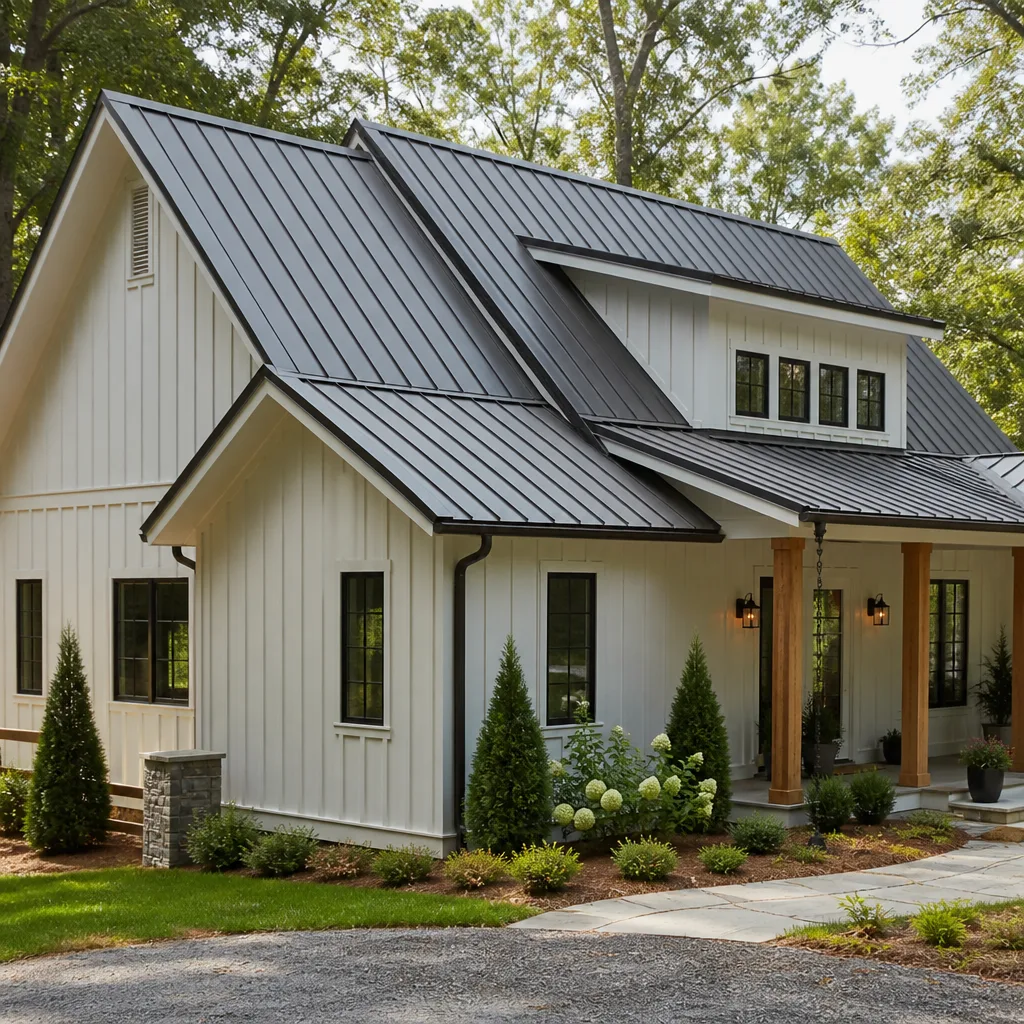
 Metal roofing
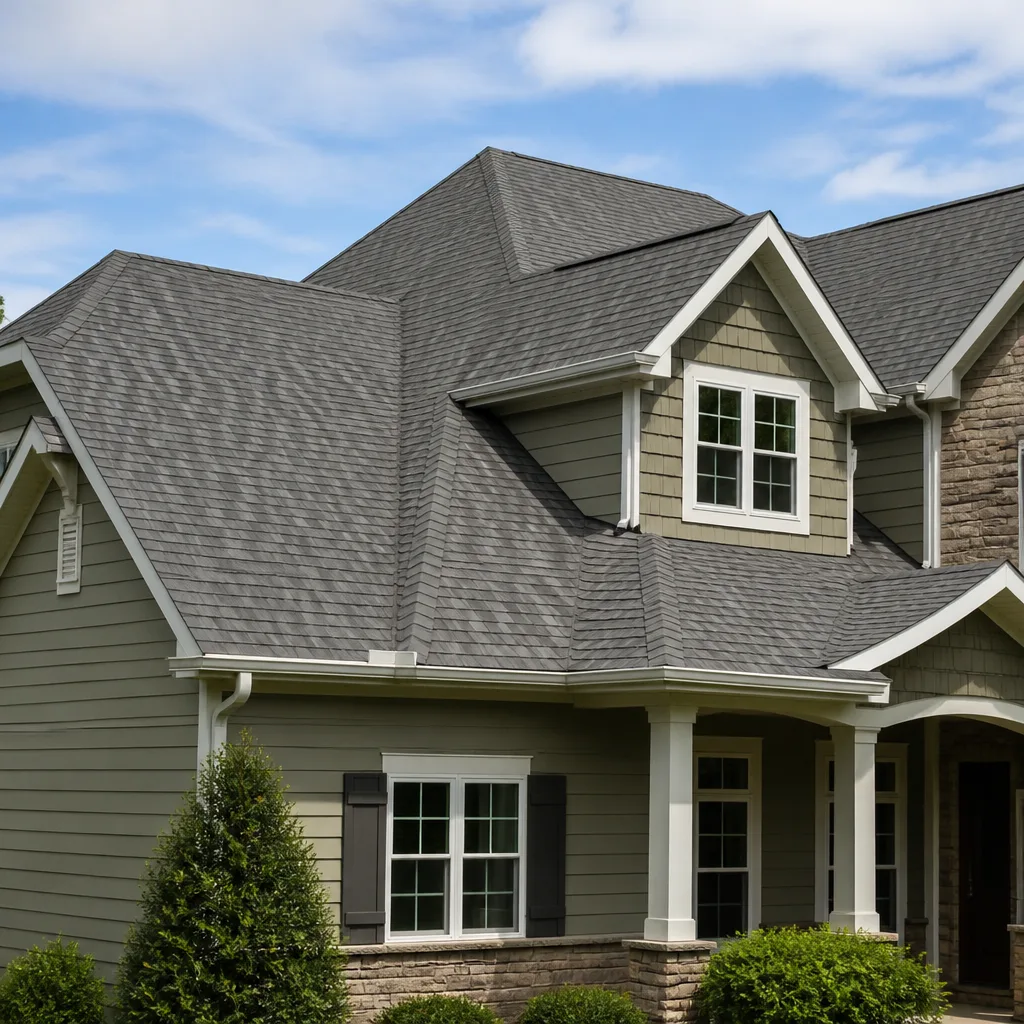 Architectural shingles
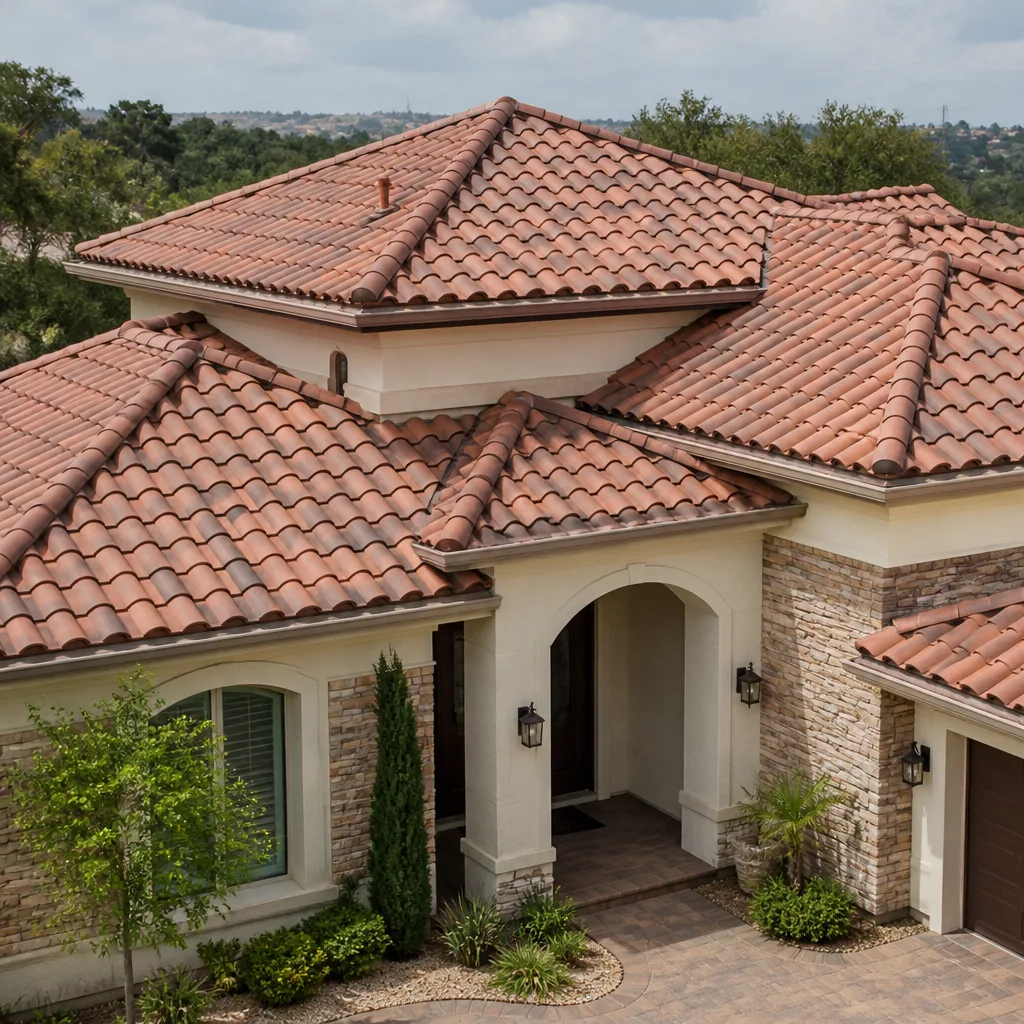 Tile roofing
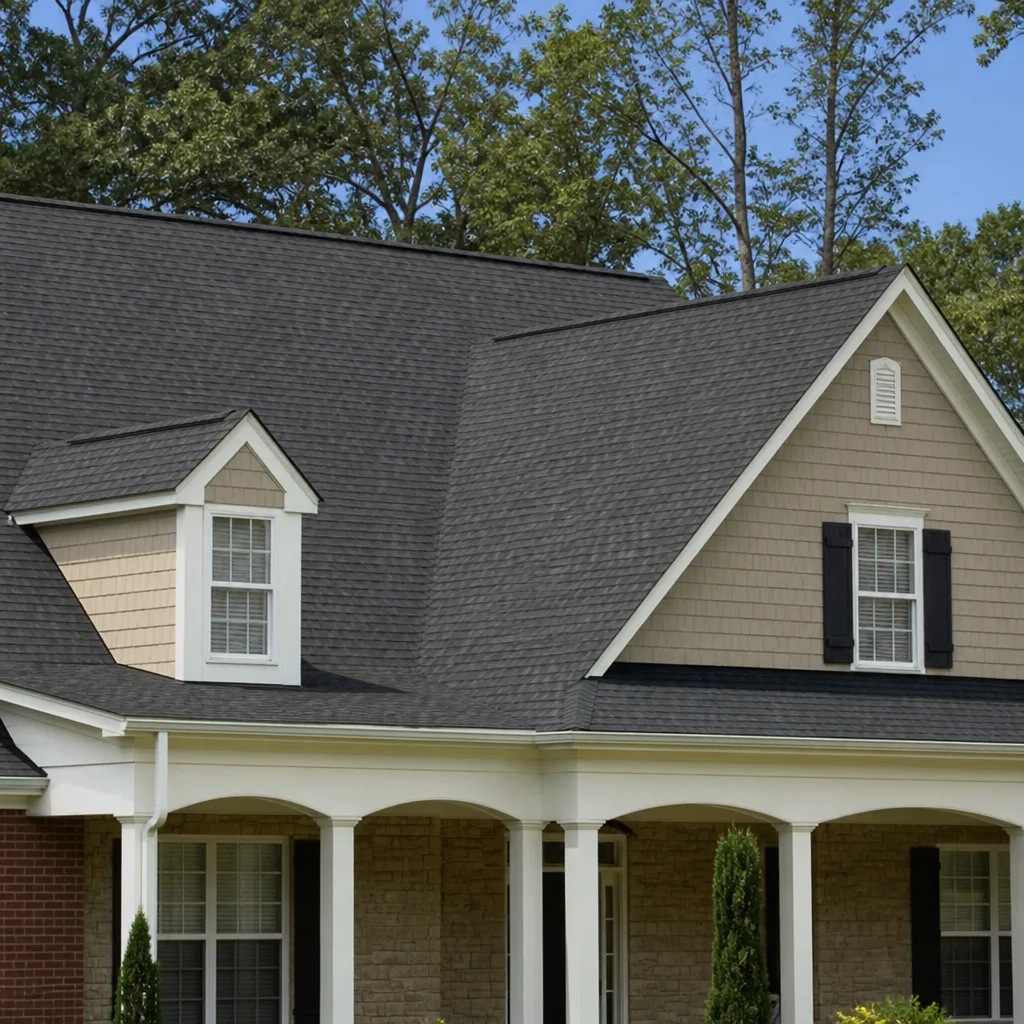 GAF
GAF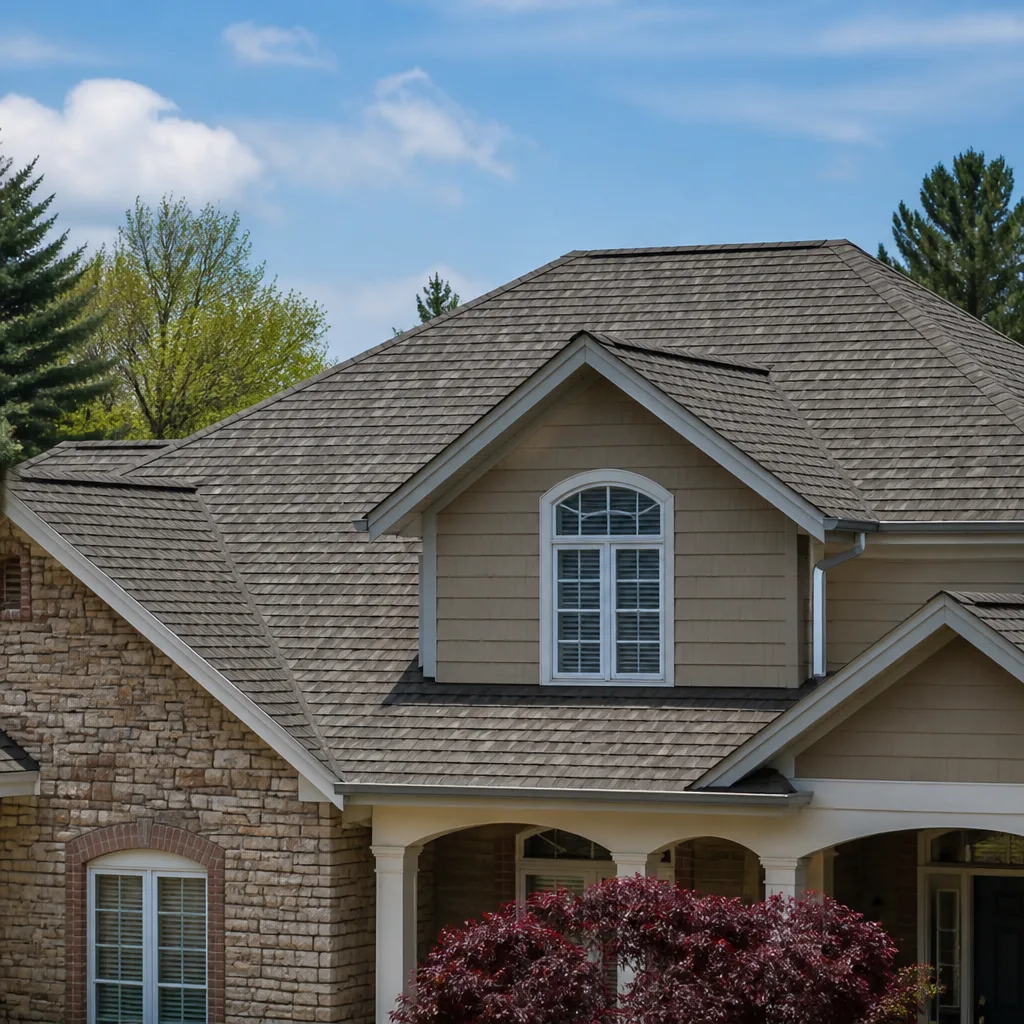 Owens Corning
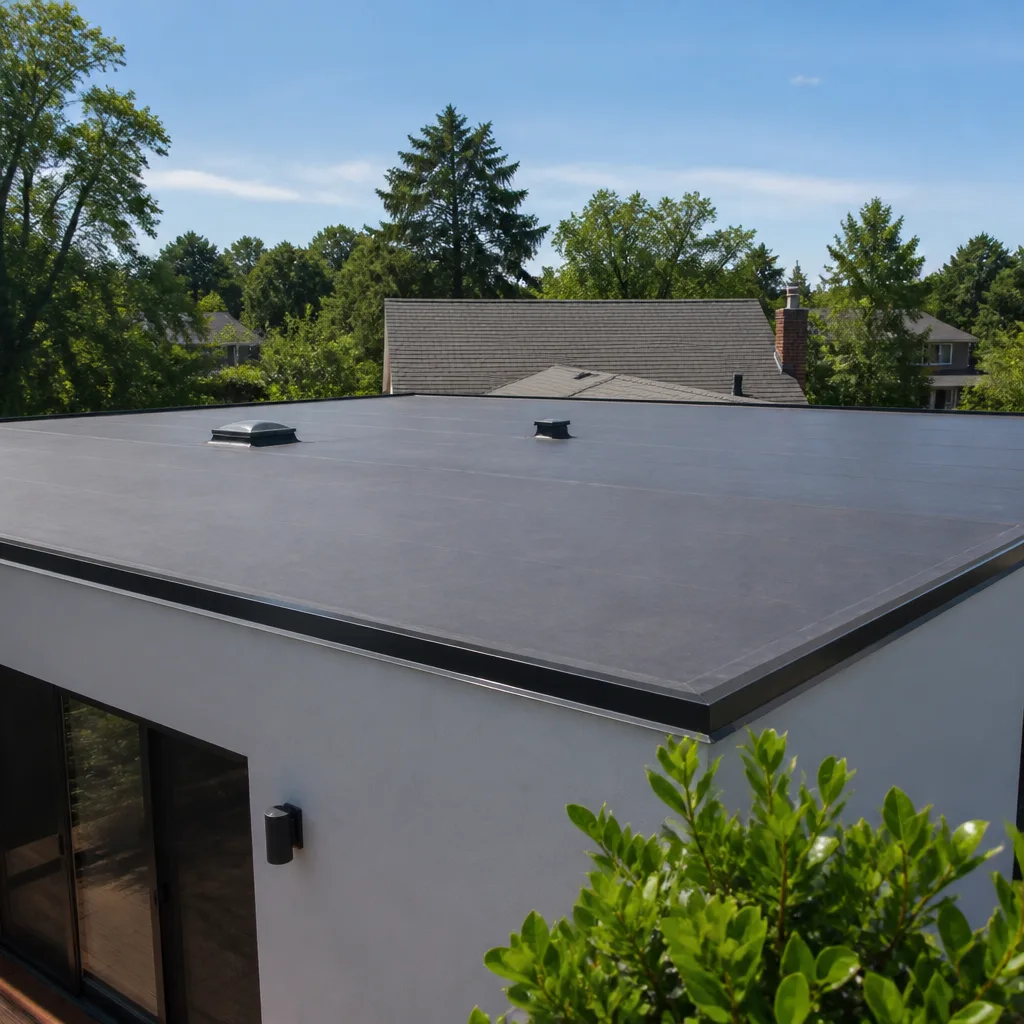 Flat & low-slope
Free roof inspection with deck photos before we talk money - GAF and Owens Corning certified installation
Styles & brands we work with
See the difference
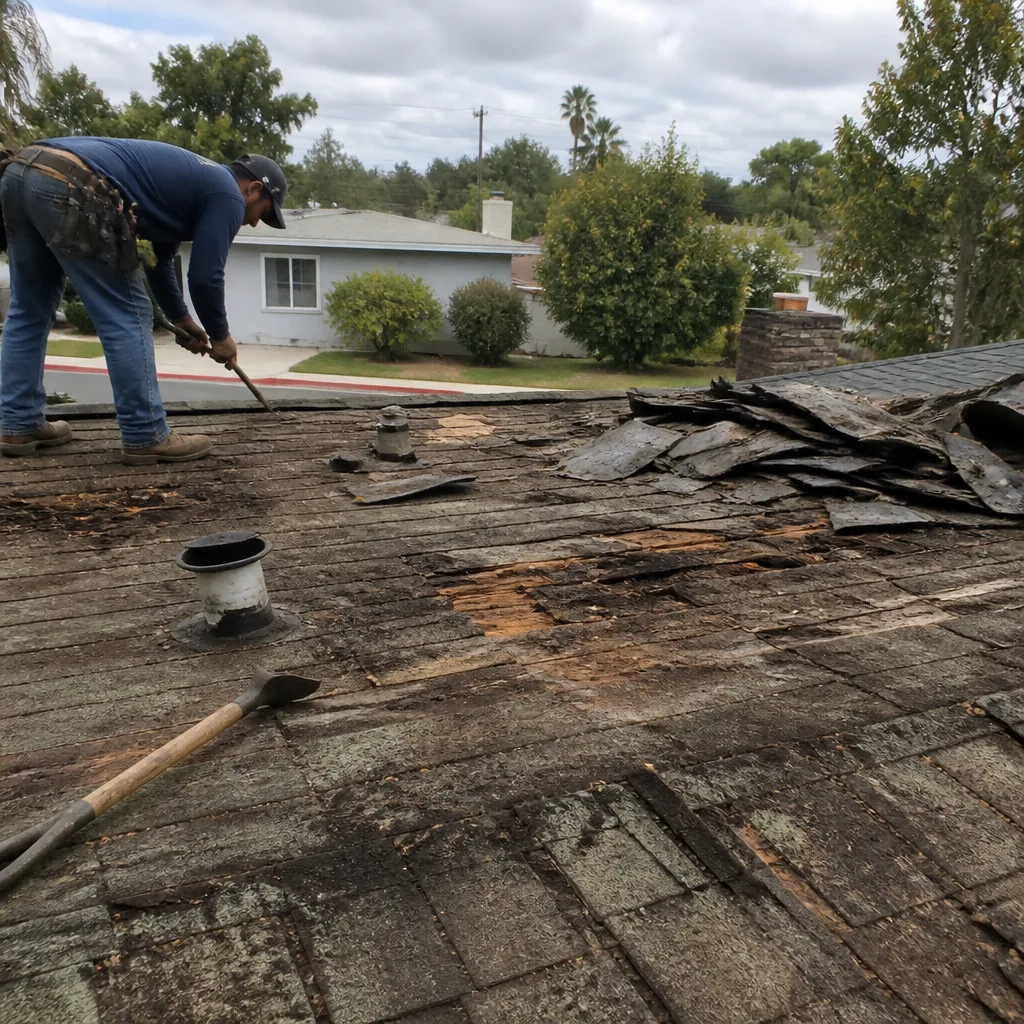 Before
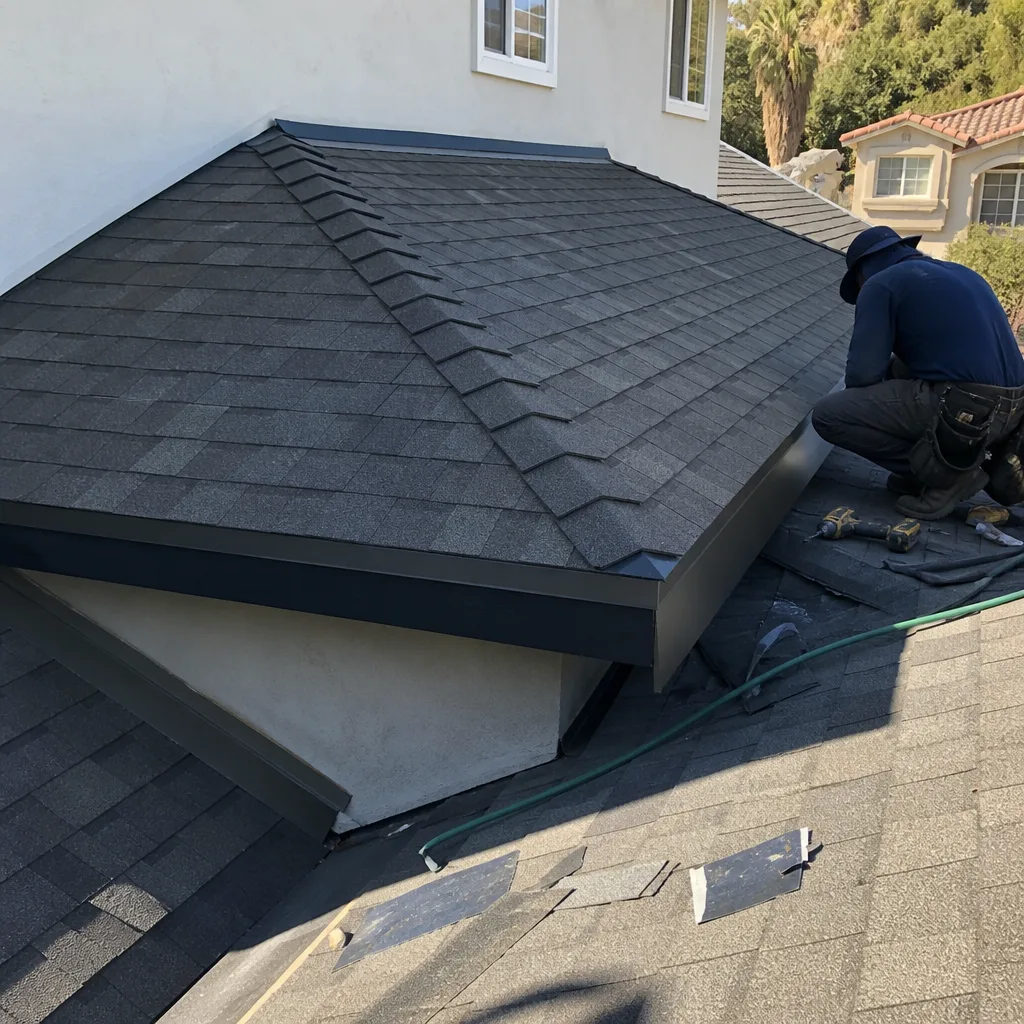 After
After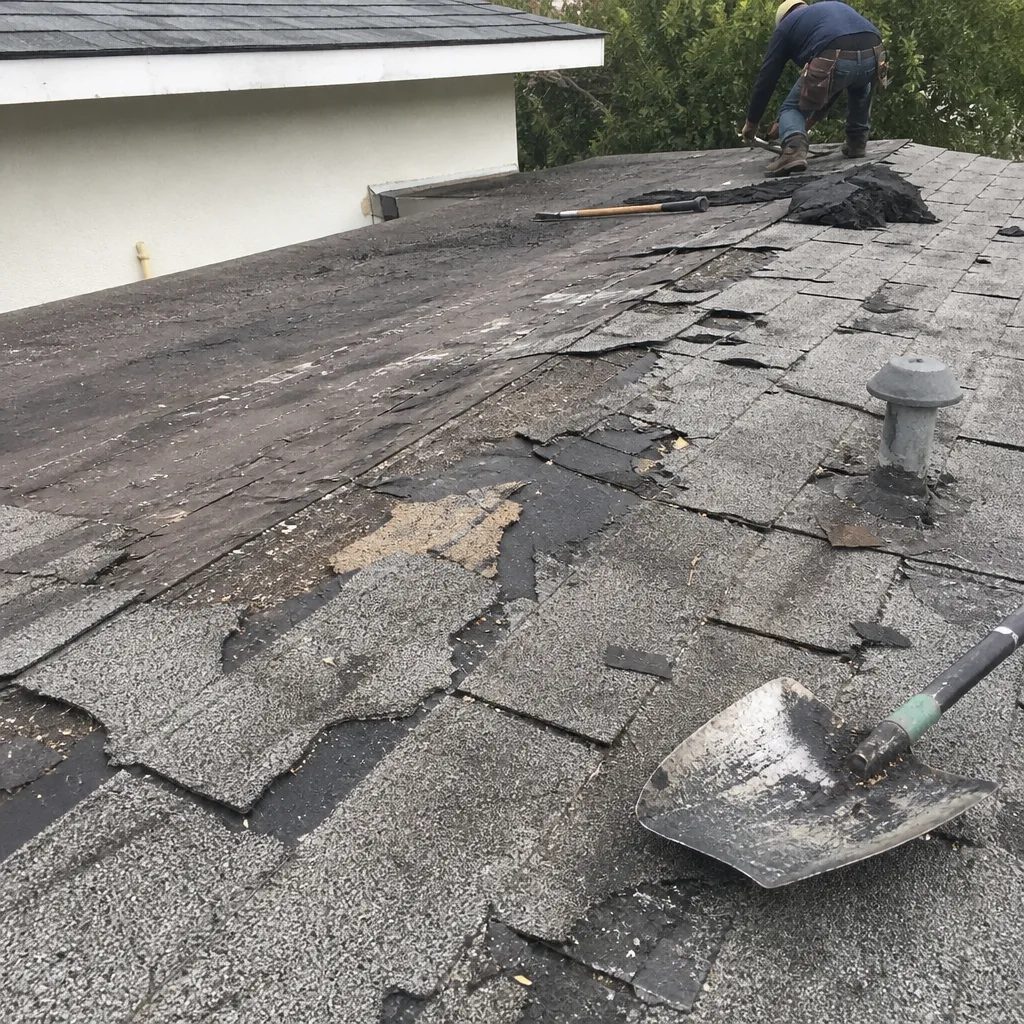 Before
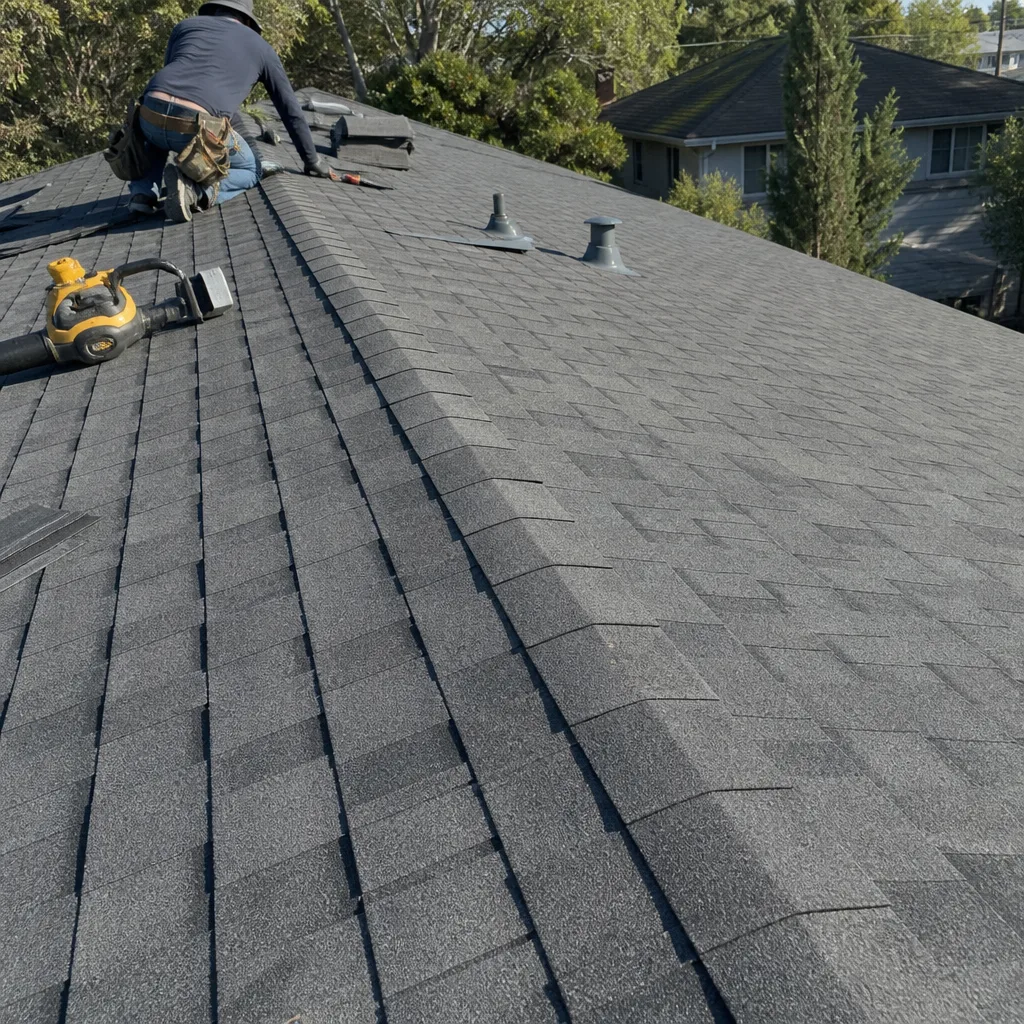 After
After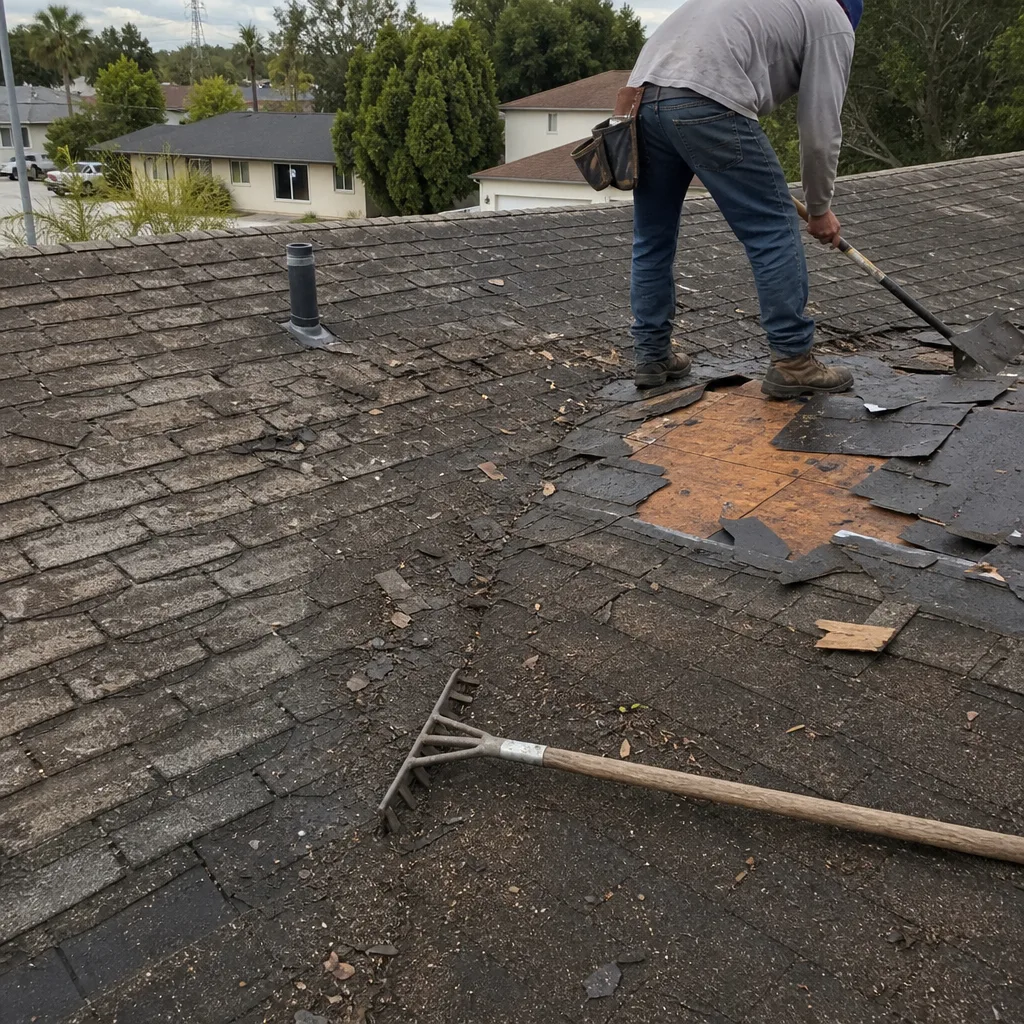 Before
 After
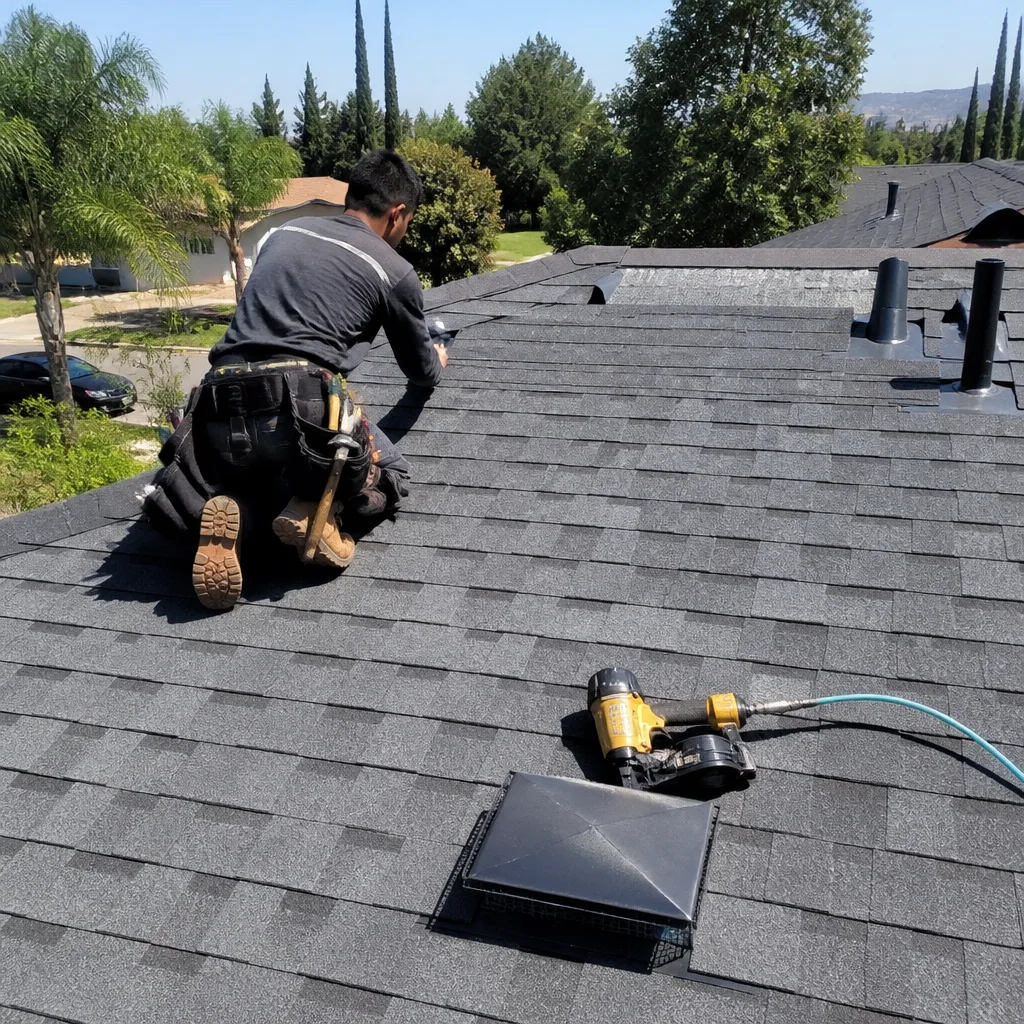
AfterFlashing Repair in Woodland Hills, CA
Flashing repair in Woodland Hills typically costs between $275 and $650 for most residential fixes, and most jobs are completed the same day we visit. Flashing is the metal material, usually aluminum, galvanized steel, or copper, that seals the joints where your roof meets a wall, chimney, skylight, or valley. When flashing fails, water gets in. That’s the whole story, and it’s the story we fix every week here in Woodland Hills. If you’re seeing water stains near your chimney or along an interior wall, call Mercer Roofing Co Woodland Hills at (341) 217-2677 and we’ll walk you through what we’re seeing.
This page explains what flashing repair involves, what it costs in our area, and how our process works. We’re part of the Threshold Group family, founded in 2000, and our Roof Repair in Woodland Hills team handles flashing work as a core part of what we do. Because flashing is where most preventable roof leaks start, we treat it as a repair that deserves real attention, not a quick caulk-and-go.
Key Takeaways
- Most flashing repairs in Woodland Hills cost between $275 and $650, with chimney flashing on the higher end.
- Every flashing repair includes a written price before work starts and a 365-Day Done Right Promise in writing.
- You’ll know your technician’s name and face before they arrive, and they’ll present a photo ID badge at your door.
- Calls are answered by a live person 24/7, not a voicemail.
- We work with manufacturer-recognized shingle brands, including Atlas, Tamko, and GAF, ensuring flashing integrates with your existing roof system.
When You Need Flashing Repair
Flashing problems rarely announce themselves loudly. They show up as slow, persistent moisture that does damage over months or even years. Here are the specific signs we see most often on Woodland Hills homes, from Warner Center to the hills above Ventura Boulevard:
- Water stains on ceilings or walls near a chimney or skylight. In older Woodland Hills neighborhoods, chimney flashing was often installed with materials that have since corroded. When the metal rusts through or the sealant breaks down, water follows the framing down into your living space.
- Damp spots in the attic after rain. The Santa Susana winds and intermittent heavy rains we get in the San Fernando Valley put real stress on roof-to-wall transitions. If you notice dampness in the attic near a wall or dormer after a storm, the flashing at that transition is the first place we check.
- Visible gaps, cracks, or lifting at roof joints. Flashing that’s pulling away from a wall or chimney is no longer doing its job. Woodland Hills’ hot, dry summers cause expansion and contraction, and old caulk or improperly fastened flashing eventually separates.
- Missing or damaged flashing around plumbing vents or exhaust pipes. Pipe boots and flashing collars dry out in the sun and crack. A cracked boot lets water run straight down the pipe and into your attic, which is why we check these on every roof repair.
- Rust or deterioration on metal flashing. If you can see rust on the flashing from the ground or from an upstairs window, the metal has likely already lost its water-shedding integrity. Galvanized steel flashing installed decades ago is especially prone to this in our climate.
- Recent roof work that didn’t address flashing. If you had shingles replaced but the contractor reused old flashing, you may have a leak that no amount of new shingles will fix. Flashing should be inspected and often replaced when the surrounding roof surface is being worked on.
Any one of these signs warrants a closer look. Flashing failures don’t self-heal. The longer water has a path, the more expensive the eventual Roof Repair becomes, because you’re no longer just fixing flashing, you’re fixing decking, insulation, drywall, and sometimes electrical or structural framing.
Our Flashing Repair Process
We follow a consistent, documented process for every flashing repair. You’ll know what’s going to happen before we start, and you’ll have it in writing. Here’s how it works:
- You call, a person answers. We answer the phone 24/7 with a live human being, not a voicemail tree. You’ll describe what you’re seeing, and we’ll schedule a visit at a time that works for your schedule.
- Your technician’s name and photo arrive before they do. This is the Threshold Standard, and it’s non-negotiable for us. Before your appointment, you’ll receive the name and photo of the technician who will be coming to your door. When they arrive, they’ll be in a clean, marked uniform and they’ll present a photo ID badge. You’ll know exactly who is on your property before they step onto it.
- We inspect the full flashing system. On site, we examine the chimney flashing, step flashing along walls, valley flashing, pipe boots, and any other metal transitions on your roof. We look at the condition of the metal itself, the fasteners, the sealant, and the surrounding shingles or tiles. We also check the decking underneath for signs of moisture damage.
- You receive a written price before any work starts. No work begins until you’ve seen the price in writing and approved it. That price includes materials, labor, and any necessary sealant or replacement flashing components. We don’t start with a low number and add line items later. The number you approve is the number on your invoice.
- We complete the repair using quality materials and correct technique. Depending on what we find, this may involve replacing damaged step flashing, rebuilding a chimney cricket, resealing with high-grade sealant, or installing new pipe boots. If replacement flashing is needed, we match the existing roof system and can work with materials compatible with Atlas, Tamko, and GAF shingle lines, among others.
- You get a written guarantee, and we stand behind it. Every flashing repair includes our 365-Day Done Right Promise. If the repair isn’t right within a year, we make it right. If the repair fails, a second visit is free. You’ll have that in writing, not as a verbal handshake.
Flashing Repair Pricing in Woodland Hills
Here’s what we see in terms of real-world pricing for flashing repair across Woodland Hills, Calabasas adjacent, and the surrounding San Fernando Valley communities, including how it factors into overall How Much Does Roof Repair Cost? (2026 Price Guide) - Woodland Hills, CA. These are the ranges we quote most often:
- Pipe boot replacement: $175 – $325. This is the least expensive flashing repair, and it’s often the source of a leak that looks much bigger than it is.
- Step flashing repair along a wall: $300 – $600. This depends on how many linear feet of flashing need to be replaced and whether shingles need to be lifted to access the metal.
- Chimney flashing repair or replacement: $450 – $950. Chimney flashing is the most complex flashing job because it involves multiple planes and often requires new counter-flashing cut into the mortar joints. In some cases, we may recommend a chimney cricket to prevent water from pooling behind the chimney, which adds to the cost.
- Valley flashing repair: $350 – $700. Valley flashing failures are less common in Woodland Hills since many homes here were built before heavy valley applications were standard, but when they leak, they leak aggressively.
- Skylight flashing replacement: $400 – $850. Skylight flashing is often specific to the skylight manufacturer, and in some cases we recommend coordinating with a skylight specialist if the unit itself has failed.
Several factors affect the final price. The height and pitch of your roof matters: steeper roofs and second-story work require more safety equipment and time. The existing flashing material matters too. If your home has copper flashing and you want to maintain that, copper is more expensive than galvanized steel or aluminum. Access matters. A chimney in the center of a steep roof is harder to work around than a pipe boot near the eave.
We give you the written price before any work starts, every time. If the final number is going to be different from the estimate, we tell you before we do the work. It’s the same principle as our badge-at-the-door policy: you should never be surprised by the amount on an invoice, just like you should never be surprised by who’s standing on your porch.
For an exact quote, call (341) 217-2677. The estimate is free, and you’ll get an honest range for your specific roof and situation.
What Flashing Repair Actually Involves
Flashing is sometimes the most misunderstood part of a roof. Homeowners rarely see it, because it’s tucked under shingles and behind walls. But it’s doing the hardest job: directing water away from every transition point on the roof.
There are several types of flashing, and each has a different failure mode. Step flashing runs along the sides of walls and chimneys, each piece overlapping the next like stairs. Counter-flashing is embedded in the wall or chimney mortar and overlaps the step flashing. Valley flashing runs down the center of roof valleys where two planes meet. Pipe boots seal around plumbing vents. Drip edge runs along the eaves. If any one of these fails, water finds the gap, and it doesn’t take much water to ruin a ceiling.
In Woodland Hills, we deal with a particular set of conditions. Our summers are long, dry, and hot, which bakes sealants until they shrink and crack. Our winter rains, while less frequent than in other parts of Southern California, come in short, intense bursts. A roof that’s been sitting in 95-degree heat for months suddenly has to handle a downpour, and any flashing that’s already compromised gets tested hard. The combination of thermal expansion, UV exposure, and occasional Santa Ana-driven debris is hard on metal transitions.
We also see a pattern in homes built during the 1980s and 1990s in the Woodland Hills neighborhoods north of the 101. In that era, some builders used thinner gauge flashing and caulk-heavy installation methods that simply don’t last the way modern materials and fasteners do. If your home was built during that period and hasn’t had its flashing replaced, it’s worth a thorough inspection, even if you’re not seeing active leaks.
Repair vs. Replacement: What Actually Makes Sense
Flashing repair and flashing replacement are often used interchangeably, but they’re not the same thing. A repair might involve resealing a small gap, re-securing a loose piece of flashing, or replacing a single pipe boot. A replacement means the old flashing is removed and new metal is installed.
Here’s how we make the call. If the flashing metal is still in good shape, not rusted through, and hasn’t been bent or damaged, a targeted repair usually works. If the metal is corroded, if the flashing was installed incorrectly to begin with, or if there’s evidence that water has been getting past it for a long time, replacement is the honest recommendation. Patching over corroded flashing is cheaper in the short term and more expensive in the long term, because the corrosion continues and the leak returns.
We also take the condition of the surrounding roof into account. If your shingles near the flashing are brittle, cracked, or at the end of their service life, repairing the flashing alone may not solve the problem. We’ll tell you that clearly, and we’ll show you what we’re seeing. The decision about what to repair and what to replace comes down to what’s actually protecting your home, not what’s easiest to sell.
Why Homeowners in Woodland Hills Call Us
The phone can be a strange vulnerability. You’re inviting someone to your home, often when you’re alone, and you’re trusting them to do good work on the thing that shelters your family. We understand that. We built our company around making that trust specific, not abstract.
Every Mercer Roofing Co Woodland Hills technician is background-checked and identity-verified under the Threshold Verified standard. That standard is part of our contract with the Threshold Group family, which has been setting service benchmarks since 2000. When you schedule with us, you don’t get an anonymous name on a work order. You get a name and a face before that person ever rings your bell. When they arrive, they’re in a clean uniform, and they’ll show you a photo ID badge before they ask where the roof access is.
That’s the difference. It’s not a slogan. It’s a process we follow on every single job, including the small ones. A pipe boot replacement gets the same verification, the same badge-at-the-door process, and the same written guarantee as a full roof replacement. That consistency matters, especially for parents with young kids at home and for older homeowners who want to know exactly who’s coming.
Materials We Work With
Flashing material matters, and it matters differently depending on the roof system you have. For asphalt shingle roofs, which are the most common in Woodland Hills, we typically install aluminum or galvanized steel flashing. Both hold up well in our climate when installed correctly with proper fasteners.
For homes with specific shingle lines, we match flashing to the roof system so the integration is clean. We work with manufacturer-recognized brands including Atlas, Tamko, and GAF, among others. That’s not a hollow quality claim. It means we understand the installation specifications those manufacturers require for their warranties, and our flashing work is done in a way that supports your roof’s manufacturer backing, not undercuts it.
If your home has tile roofing, which is common in some of the hillside neighborhoods, we handle the flashing differently. The tile itself doesn’t create a watertight surface; it’s the underlayment and flashing system that actually keeps water out. On tile roofs, flashing failures often require removing specific tiles to access the transition points. We do that carefully, and we re-bed tiles properly when we’re done.
Common Flashing Trouble Spots on Woodland Hills Homes
Some houses in this area have predictable flashing vulnerabilities. If you live in a home with a masonry chimney, that chimney is almost certainly your highest-risk flash point. The intersection of chimney brick and roof plane is complex, and it’s the first place water finds. In Woodland Hills’ older pockets, like the area around Shoup Avenue and Oxnard Street, many homes retain their original chimneys, and the flashing has been aging for decades.
Skylights are another common trouble spot. A skylight that was installed properly with the correct flashing kit can last for decades without issue, but one that was installed with generic or poorly integrated flashing will leak and may need Leak Repair. We see this often when homeowners have had skylights added in a remodel. The roofline gets a new penetration, and if the flashing wasn’t done meticulously, the leak may not show up for a year or two.
Where a roof meets a vertical wall, especially on additions or garage conversions, you’ll often find step flashing, which differs from a Flat Roof Patch in both materials and installation approach. If that flashing was never replaced when the roof was redone, it’s living on borrowed time. We check these transitions on every roof repair we do, even if the homeowner called us for a different reason. It’s part of looking at the roof as a system, not a collection of individual problems.
FAQs – Flashing Repair
How much does flashing repair cost in Woodland Hills?
Most flashing repairs in Woodland Hills cost between $275 and $650, with chimney flashing and skylight flashing falling in the $400 to $950 range depending on access and materials. The best way to get an exact number is to call (341) 217-2677 and schedule a free estimate; you’ll get a written price before any work begins.
Can you fix flashing the same day?
Yes, many flashing repairs can be completed the same day we visit, especially pipe boot replacements and small step flashing repairs. Larger jobs, like full chimney flashing replacement or work requiring custom metal fabrication, may need a follow-up visit. Call us and we’ll give you an honest timeline for your specific situation.
Is it cheaper to repair flashing or replace it?
Repair is usually cheaper in the short term, but if the flashing metal is corroded or was installed incorrectly, replacement is the more cost-effective choice over time. We’ll show you what we’re seeing and give you a straight recommendation. We don’t sell replacement when a repair will do the job, and we don’t patch a failing system just to save you a few dollars today.
How do I know if my flashing needs repair or if the leak is coming from something else?
The most reliable way is to have a professional inspect the roof, because water travels along framing and the visible stain is often not directly below the actual leak. We inspect the flashing, the shingles, the decking, and the sealants to pinpoint the source. Every Mercer Roofing Co Woodland Hills technician is background-checked and identity-verified under the Threshold Standard, so you’ll know exactly who’s coming to your door before they arrive.
Does your flashing repair come with a guarantee?
Yes. Every flashing repair includes our 365-Day Done Right Promise in writing. If the repair isn’t right within a year, we make it right at no cost to you. If the repair fails, the second visit is free. That guarantee is included on every job, from a $200 pipe boot to a full flashing replacement.
Call for a Free Flashing Repair Estimate in Woodland Hills
If you’re seeing water stains, damp attic spots, or rusted metal on your roof, don’t wait. Flashing leaks get worse, and the cost of fixing the damage they cause grows fast. Call Mercer Roofing Co Woodland Hills at (341) 217-2677 and you’ll speak to a real person, any time, day or night. We’ll schedule your free estimate, send you your technician’s name and photo before they arrive, and give you a written price before any work begins. From our home base in Woodland Hills to every neighborhood we serve across the San Fernando Valley, we show up verified, we work clean, and we stand behind every repair in writing.
Written by Grant Whitlock, Owner at Mercer Roofing Co Woodland Hills, serving Woodland Hills.