
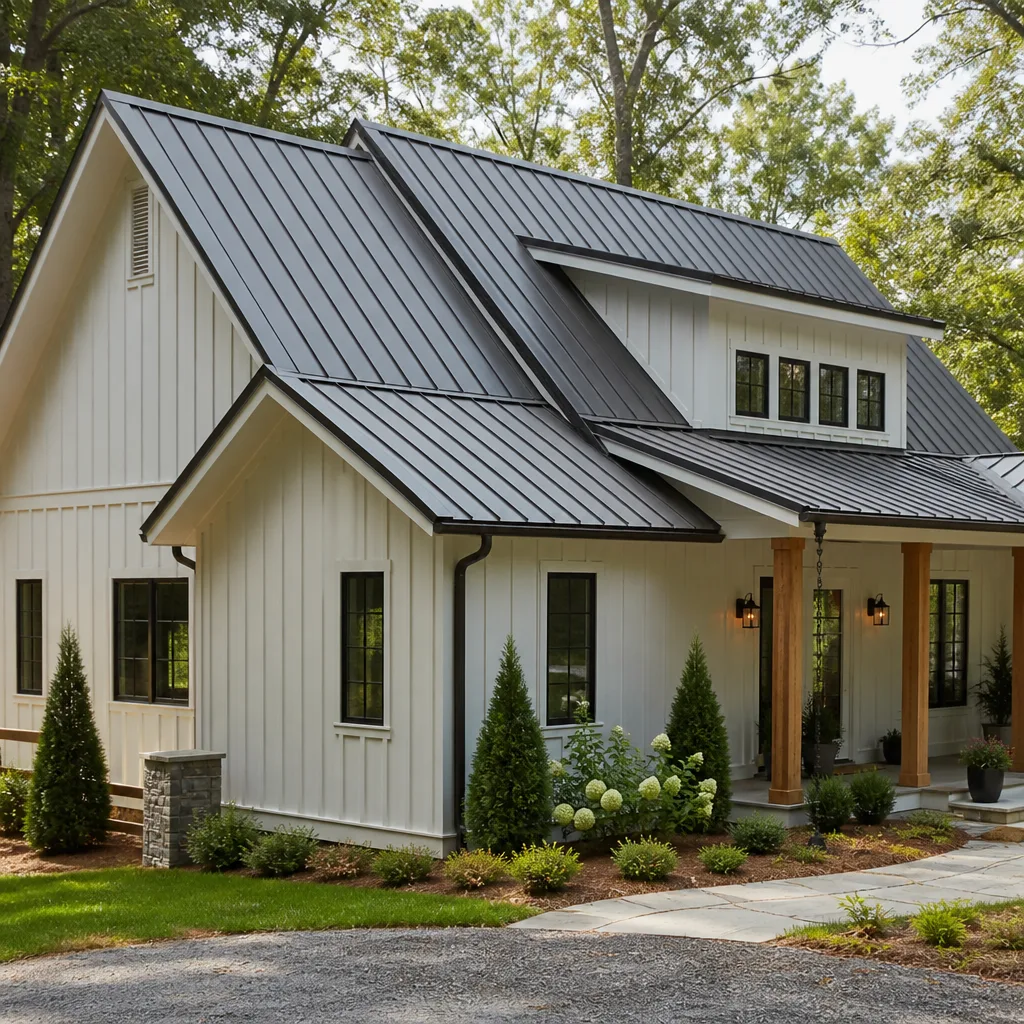
 Metal roofing
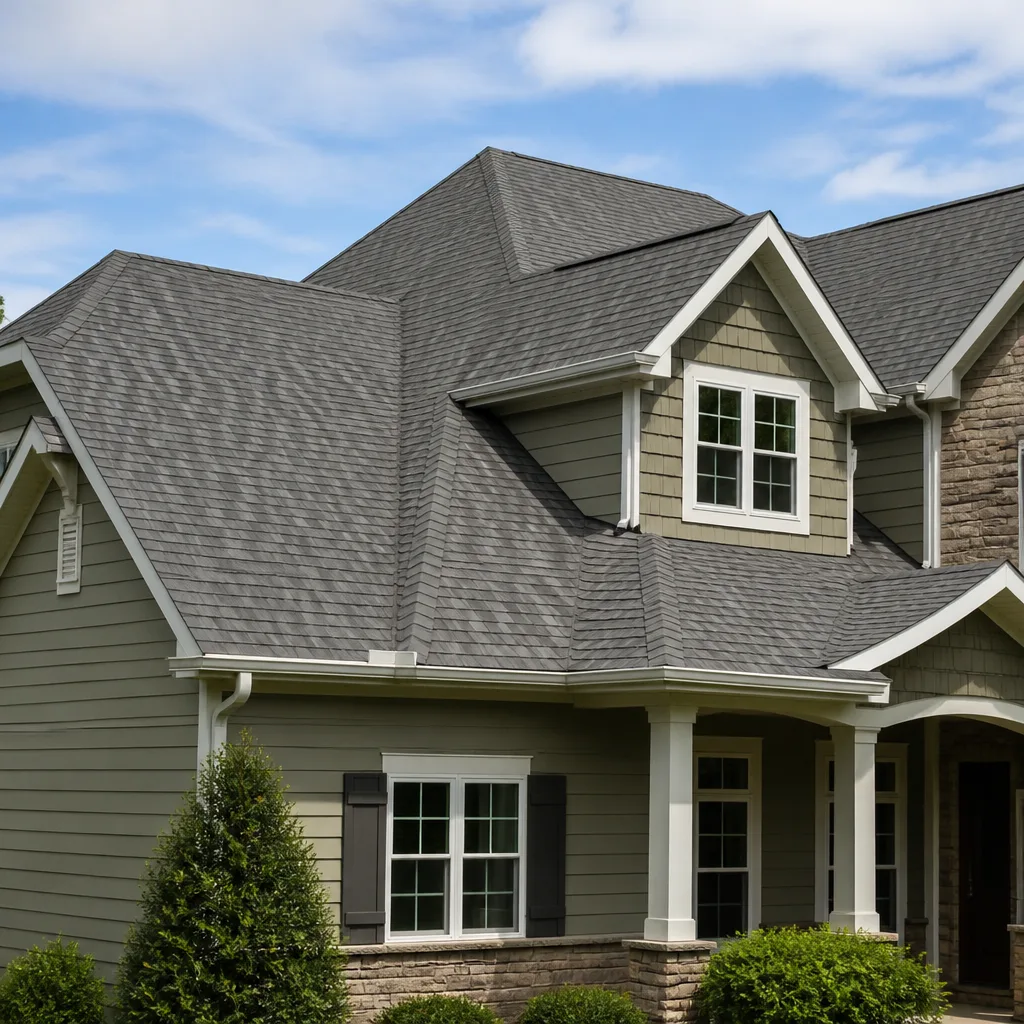 Architectural shingles
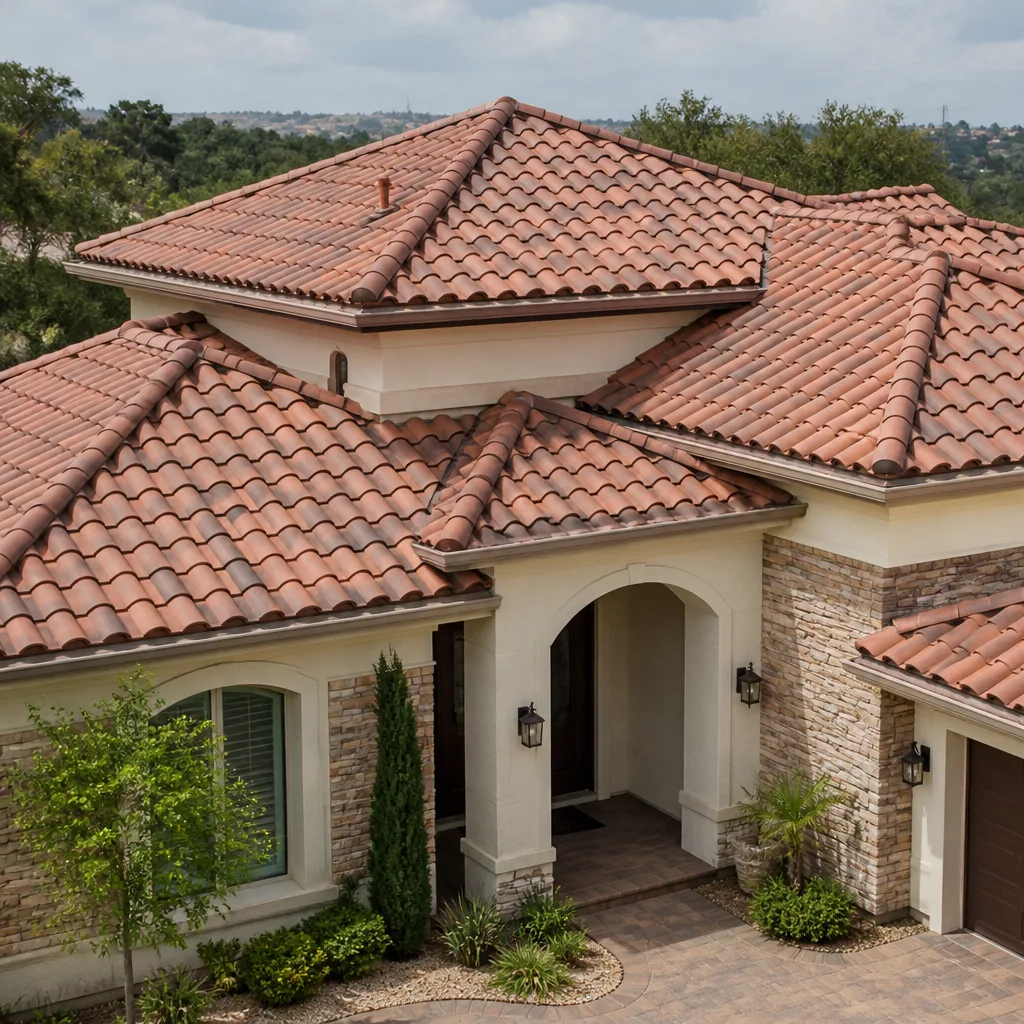 Tile roofing
 GAF
GAF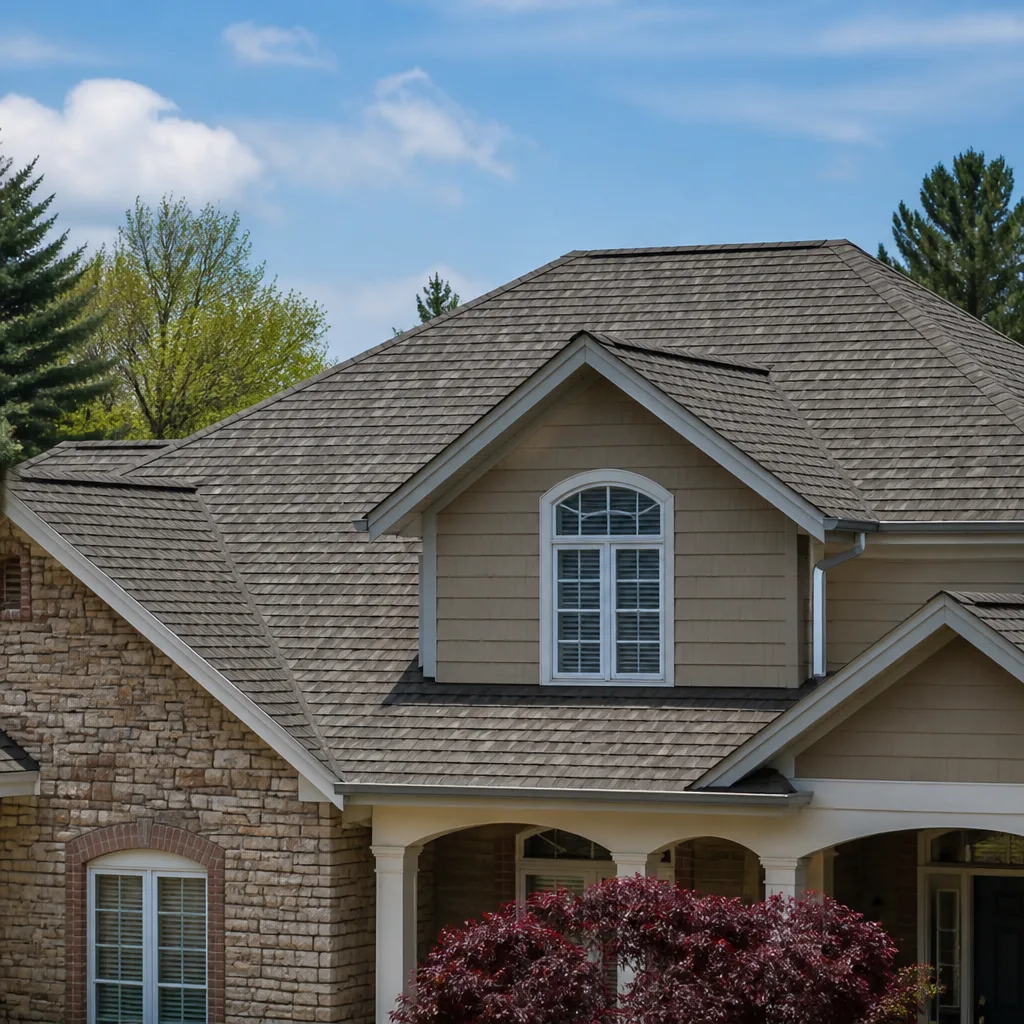 Owens Corning
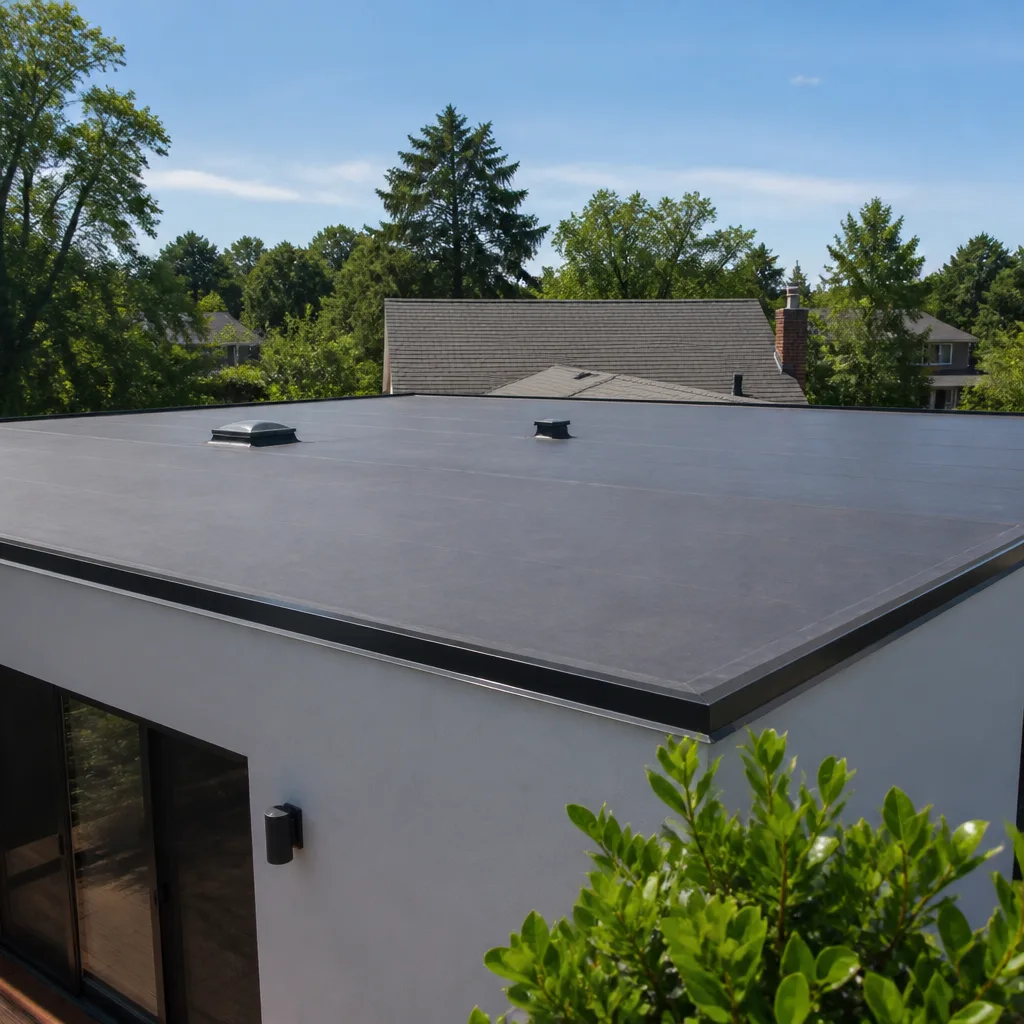 Flat & low-slope
Free roof inspection with deck photos before we talk money - GAF and Owens Corning certified installation
IKO Ridge Vent Installation: The Woodland Hills Owner’s Guide
IKO ridge vent installation in Woodland Hills typically runs $650 to $1,150 for most single-story homes, including the vent material, underlayment integration, and labor. We stock IKO-compatible ridge vents on our trucks and can usually complete the swap the same day we arrive. Most homeowners discover theirs has failed after a summer heat wave, when attic temperatures spike and the utility bill follows, or after the first real rain, when water stains bloom across the ceiling below the ridge line.
We are an independent roofing contractor in Woodland Hills, not affiliated with IKO, but we install and repair their ridge vent systems alongside GAF, Owens Corning, and CertainTeed products every week. Ridge vents are the quiet workhorses of a roof, and when an IKO unit fails, the failure is rarely dramatic. It’s gradual. That’s exactly why it gets missed.
Which IKO Models This Applies To
IKO’s ridge vent lineup splits into two families you should know about. The Armourvent Multi-Flex is their flexible roll-form vent, built to conform to most standard ridge angles. The Armourvent Standard uses a rigid, molded profile that sits more squarely on shallower pitches. In Woodland Hills, where rooflines range from mid-century low-slope ranches in the flats below Ventura Boulevard to steeper custom builds up in the hills south of the 101, we most often see Multi-Flex on anything over a 4:12 pitch and Standard on flatter applications.
Here’s the compatibility gotcha we see weekly: IKO ridge vents are engineered to work with IKO’s shingle profile, but not every “universal” replacement fits cleanly. The nail line and the vent’s internal baffle spacing need to match the shingle’s exposure. A generic vent slapped onto an IKO roof leaves gaps that let wind-driven rain slip through, and Southern California’s winter storms, infrequent but intense, exploit those gaps fast. We match the vent to the existing shingle course, not just to the ridge opening.
As for OEM versus aftermarket: for IKO specifically, we recommend staying with OEM or an IKO-listed equivalent. Quality aftermarket options exist, but they require precise baffle alignment and a nail-line match that a lot of cheaper vents skip. A $40 savings on material is not worth a ceiling stain in January.
Styles & brands we work with
Signs Your IKO Ridge Vent Installation Is Failing
- Granule-heavy runoff in your gutters. When the shingles at the ridge curl or crack from heat, granules shed faster near the vent line than anywhere else. You’ll see a dark, gritty line in the gutter directly below the ridge. The vent itself may still look fine; the shingles holding it down are letting go.
- Attic heat that won’t quit, even in the evening. Woodland Hills summers push attic temps past 140°F. A working ridge vent should let that heat escape steadily. If your attic feels like a kiln at 8 p.m., the vent’s baffles are likely clogged with dust, or the vent was installed with too narrow an air channel.
- Water stains on the ceiling below the ridge, not near the eaves. Rain intrusion at the ridge usually means the vent’s weatherproofing membrane has failed or a nail backed out through the vent flange. It reads as a soft-edged stain that grows slowly over each storm, not a single dramatic leak.
- Visible gaps or daylight at the ridge from inside the attic. On a clear day, turn off the attic light and look up. If you can see slivers of daylight where the vent meets the decking, the vent has shifted or the nails have pulled loose. That is an open invitation for water and pests.
- Roofing nails that appear to be “standing up” along the ridge line. Thermal cycling in Southern California, the same hot days followed by cool nights, works nails loose over years. When you see nail heads proud of the vent flange, the next heavy rain will find them. This is the most common failure we see on IKO ridge vents installed more than a decade ago.
See the difference
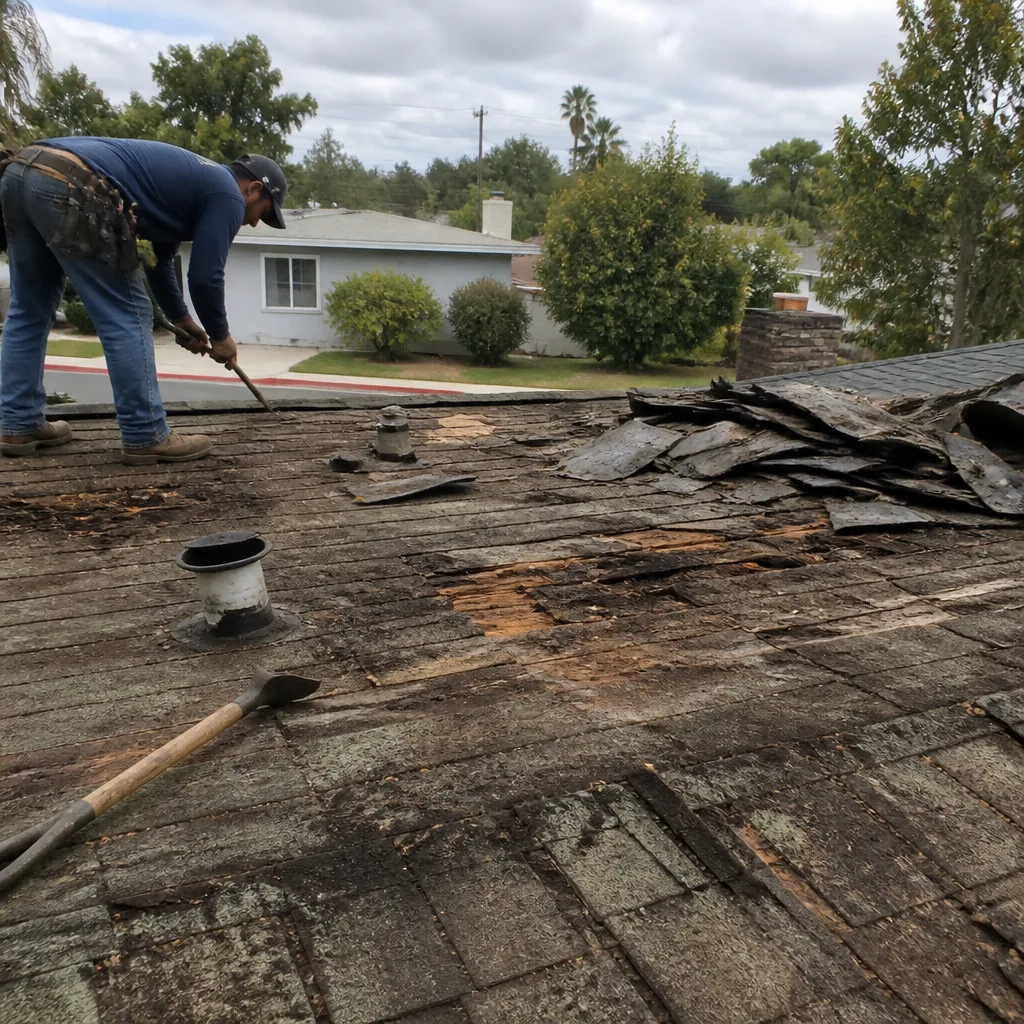 Before
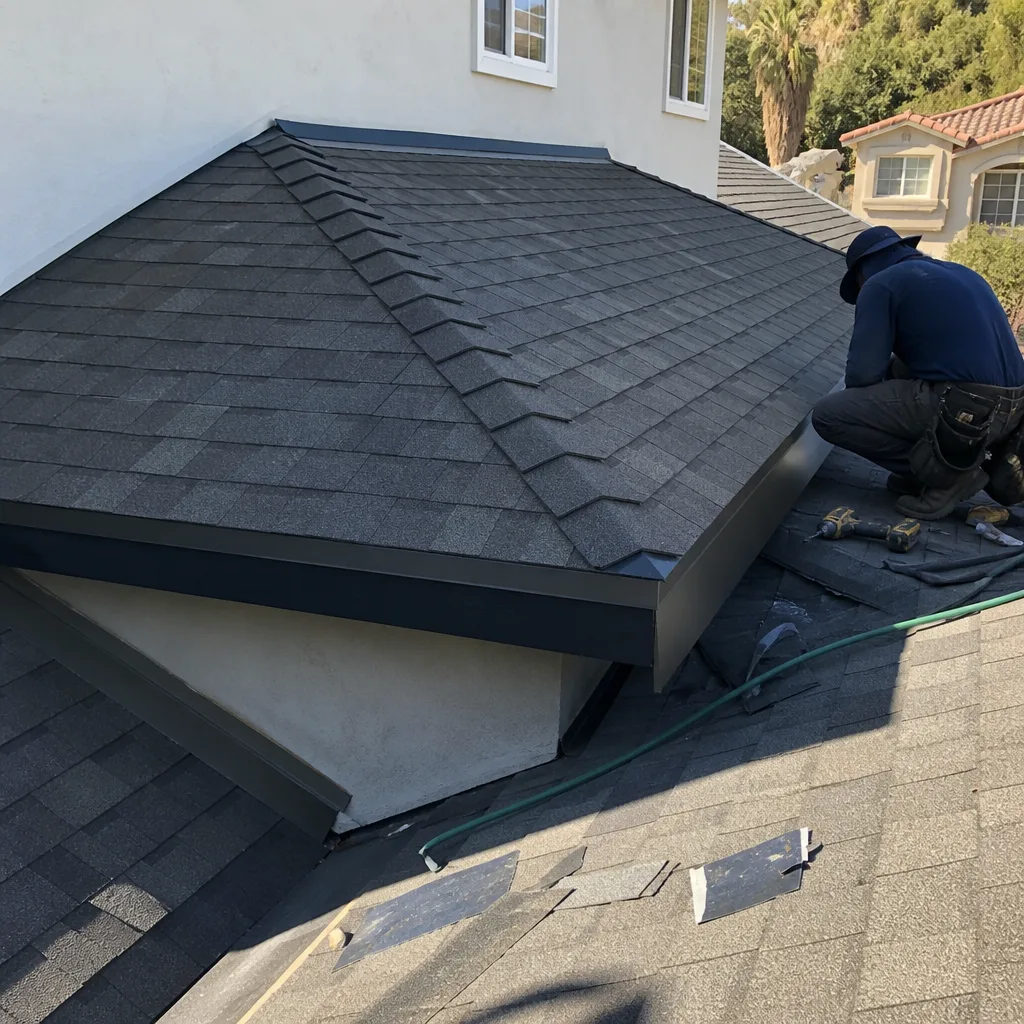 After
After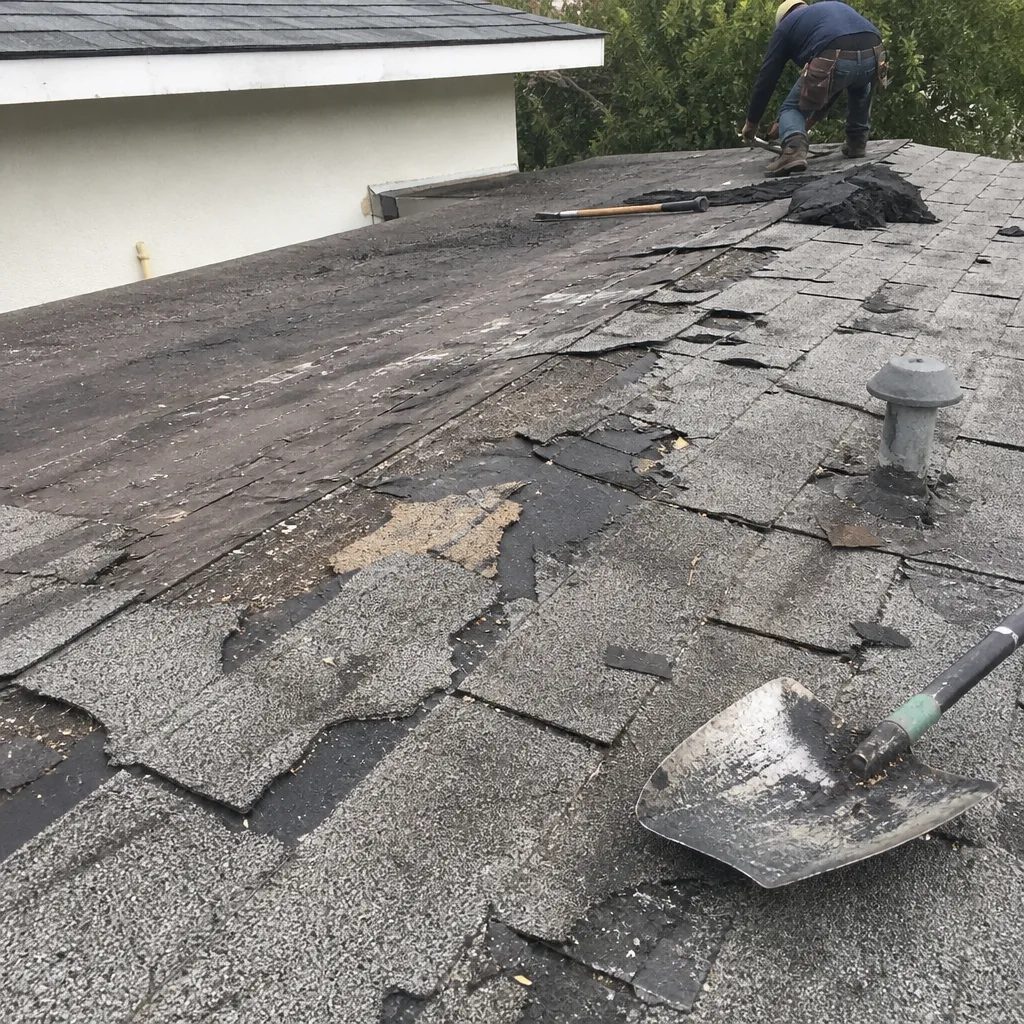 Before
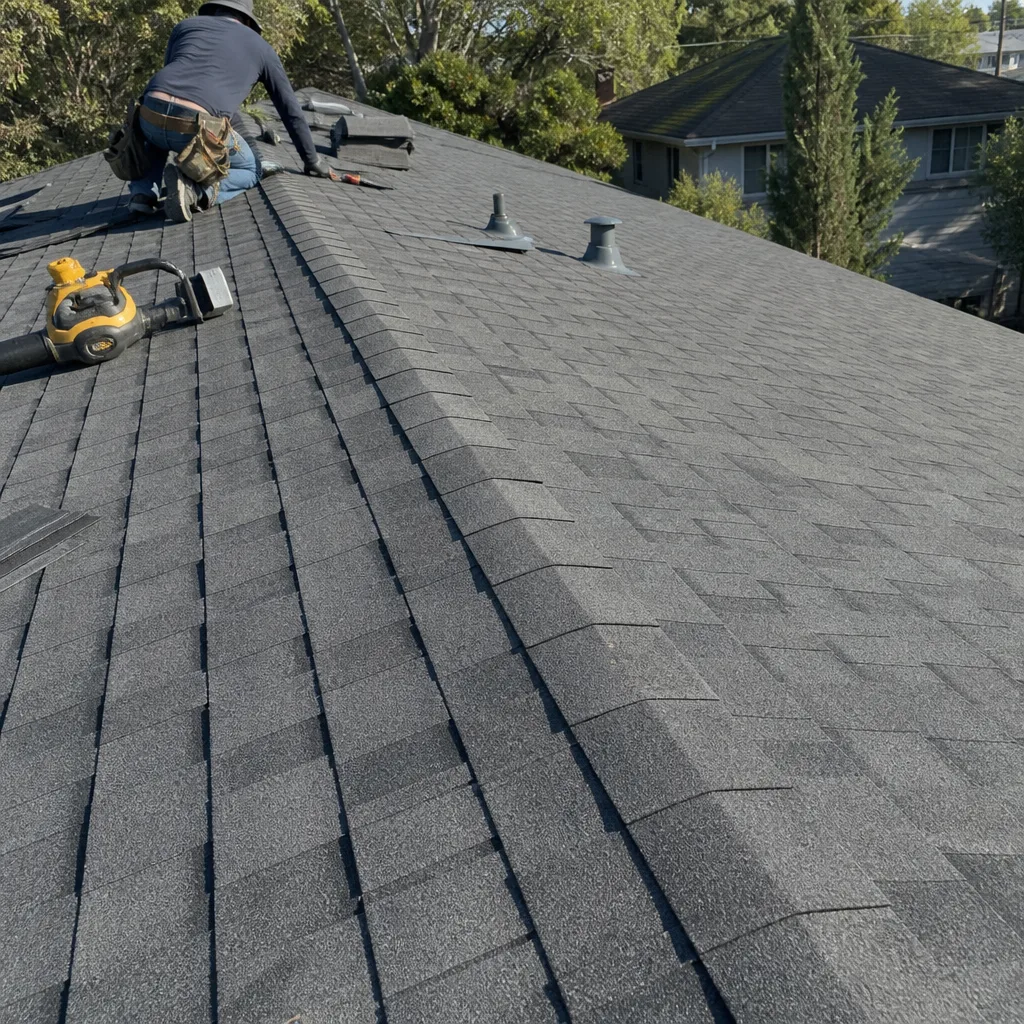 After
After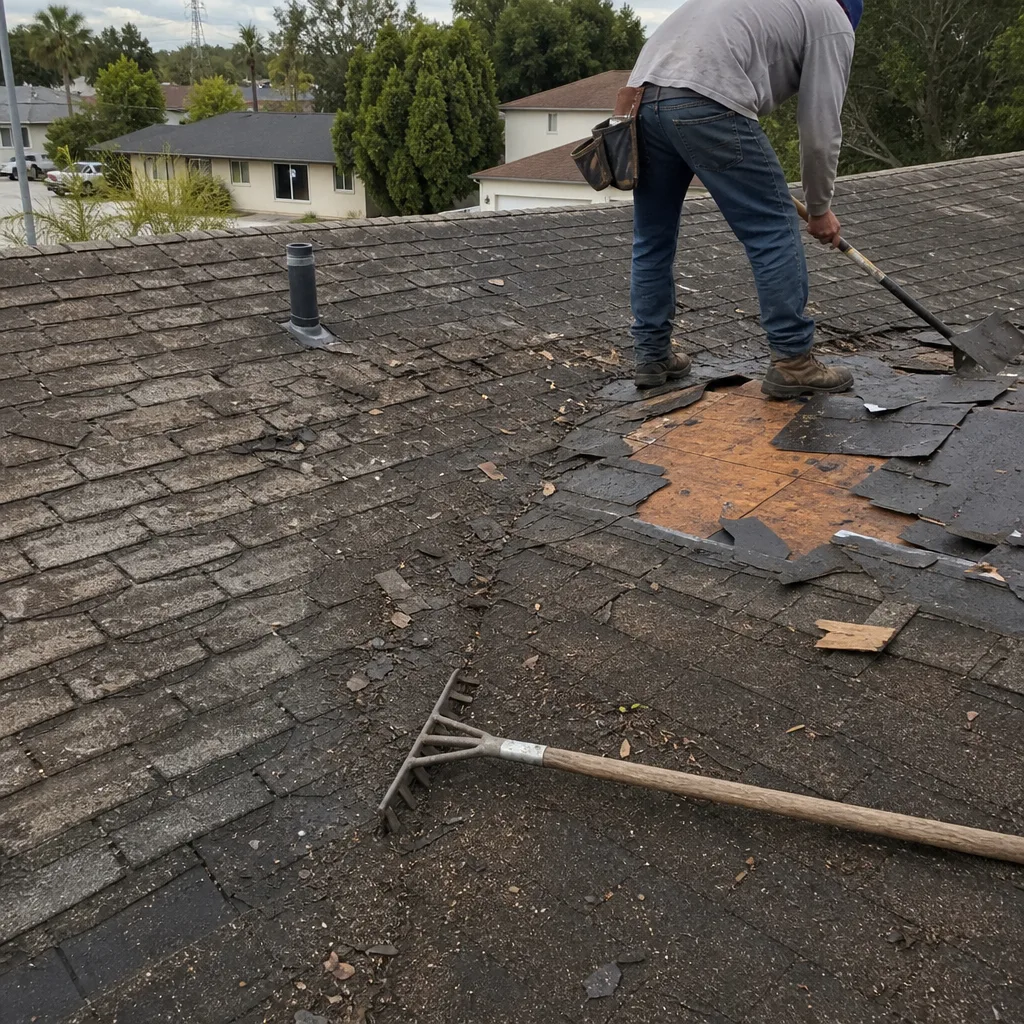 Before
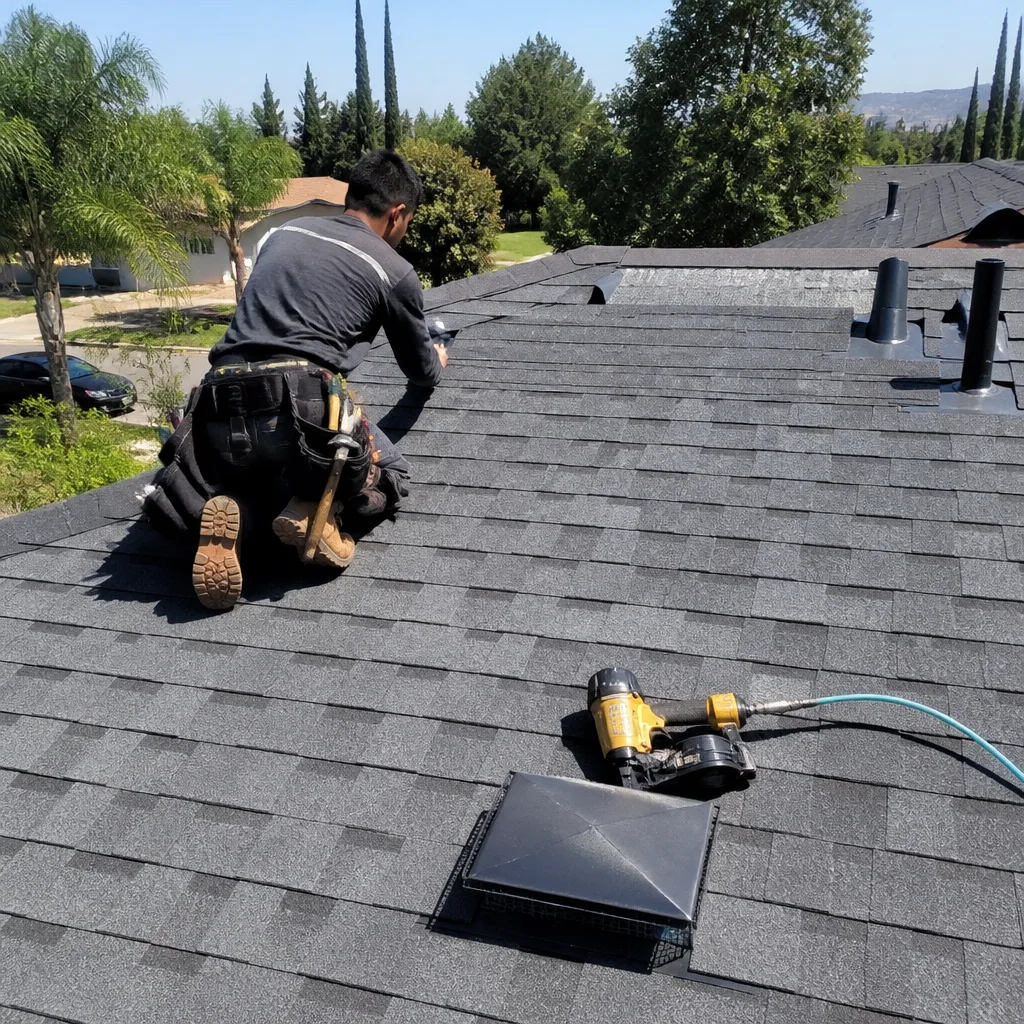 After
AfterReplacement Cost & What’s Included
For Woodland Hills homes, a full IKO ridge vent replacement runs $650 to $1,150 for typical single-story applications. Two-story homes or steep-pitch roofs in areas like the hills above Topanga or the ridgelines overlooking El Camino add $200 to $400 for staging and safety equipment.
That price includes removal of the failing vent and any compromised nails or fasteners, inspection of the ridge decking for rot or delamination, installation of the matched IKO-compatible vent, integration with the existing underlayment, and full cleanup with magnetic nail sweep. If we find decking damage, we show you photos and give you a written add-on price before we touch it. You never discover a surprise on the invoice.
Every ridge vent replacement includes our 365-Day Done Right Promise. If it is not right within a year, we make it right. That is in writing, on every job, before the first nail goes in.
DIY or Call Us?
Ridge vent replacement lives on the wrong side of the DIY line for most homeowners, and here is why: the work happens at the highest point of your roof, on a sloping surface, with tools in both hands. Woodland Hills homes built into the hillsides often have rooflines with exposure that turns a straightforward flat-ground job into a genuine fall hazard. We carry full fall protection on every job, and our technicians train on it before they ever climb your ladder.
What you can safely do is document the failure. Take photos from the ground or a first-story window, note where the visible damage sits, and check your attic for daylight gaps. That information helps us quote accurately before we arrive. Then call (341) 217-2677. We’ll give you a written price, send you the technician’s name and photo before the visit, and he will badge in with photo ID at your door. You will know exactly who is on your roof before he ever steps onto it.
FAQs
Expect 12 to 18 years from an IKO ridge vent in this climate. The relentless sun exposure, combined with the valley’s temperature swings, shortens the lifespan compared to coastal areas. Vents near the Warner Center corridor, where reflected heat from commercial buildings intensifies rooftop temperatures, tend to fail at the earlier end of that range. Call (341) 217-2677 for an inspection if your vent is past the 12-year mark.
Yes, if the failure is isolated to popped nails or a partial flange separation. We can resecure and reseal those sections without replacing the full run. But if the vent material itself is brittle, cracked, or the internal baffles have collapsed from heat, repair is throwing good money at a part that has already lived its useful life. We will tell you which one you have, in writing, before any work begins.
Most single-family IKO ridge vent replacements in Woodland Hills take four to six hours from setup to cleanup. Steep-pitch or two-story homes add two to three hours. We protect your landscaping, run a magnetic sweep for nails, and walk the roof with you before we leave.
We stock IKO-compatible ridge vents on our trucks for the most common profiles, including Armourvent Multi-Flex and Standard in standard lengths. If we need a specialized profile for an unusual ridge angle, we can typically source it within one business day from our local supplier.
Call (341) 217-2677 for a free estimate on IKO ridge vent installation in Woodland Hills. A real person answers, day or night, and you will have a written price before anyone picks up a nail gun.
Written by Grant Whitlock, Owner, Mercer Roofing Co Woodland Hills at Mercer Roofing Co Woodland Hills, serving Woodland Hills and nearby areas.